
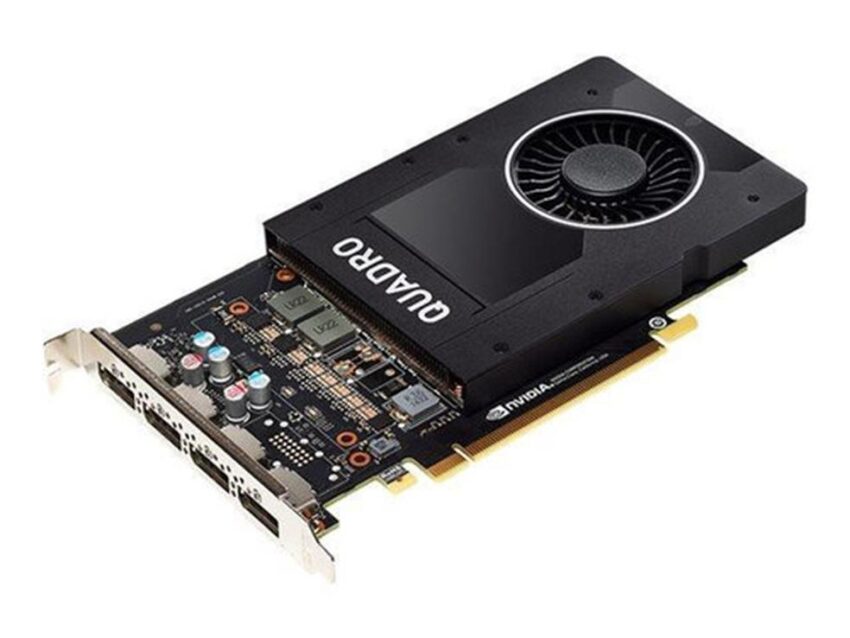
In today’s fast-paced digital environment, businesses rely heavily on seamless communication tools to remain competitive. Audio & Video Conferencing has become a fundamental technology that connects teams, clients, and partners across the globe. Whether organizations operate remotely, hybrid, or in traditional office setups, conferencing solutions powered by advanced IT Hardware and Computer Hardware are driving collaboration and innovation like never before.
The transformation of workplace communication has redefined how meetings are conducted. Instead of being limited to physical boardrooms, teams now collaborate virtually in real time with high-definition video, crystal-clear audio, and integrated screen sharing. This evolution has made Audio & Video Conferencing not just a convenience, but a strategic business asset.
Evolution of Conferencing Technology
In earlier decades, business communication relied primarily on telephone calls and in-person meetings. While effective at the time, these methods lacked flexibility and scalability. The introduction of internet-based communication platforms revolutionized how companies interact. With the advancement of IT Hardware, including high-performance servers, routers, microphones, and cameras, conferencing technology became more reliable and accessible.
Modern Computer Hardware such as powerful processors, high-resolution webcams, and noise-canceling audio devices now support smooth virtual interactions. These advancements have eliminated common issues like lag, poor sound quality, and unstable connections. As a result, businesses can conduct professional meetings regardless of geographical boundaries.
The Role of IT Hardware in Conferencing Systems
Behind every successful Audio & Video Conferencing setup is a robust infrastructure of IT Hardware. Enterprise-grade servers manage data transmission, while network switches and routers ensure uninterrupted connectivity. High-bandwidth internet connections further enhance performance, preventing delays and buffering during live sessions.
Conference room setups often include dedicated video conferencing systems, smart displays, integrated microphones, and advanced speaker systems. These components work together to create an immersive meeting environment. Without reliable Computer Hardware, even the most advanced conferencing software cannot deliver optimal results.
Additionally, data storage devices and cloud integration allow businesses to record meetings, store files, and maintain documentation securely. This capability improves transparency and ensures that important discussions are archived for future reference.
Benefits of Audio & Video Conferencing for Businesses
Audio & Video Conferencing offers numerous benefits that directly impact productivity and cost efficiency. One of the most significant advantages is reduced travel expenses. Companies no longer need to invest heavily in transportation and accommodation for routine meetings. Instead, virtual conferences provide a practical alternative without compromising effectiveness.
Another major benefit is improved collaboration. Teams across different time zones can connect instantly, share presentations, and discuss strategies in real time. This level of accessibility enhances teamwork and accelerates decision-making processes.
Flexibility is another strength of modern conferencing systems. Employees can participate from offices, homes, or even while traveling. With compatible IT Hardware and secure networks, organizations maintain operational continuity regardless of location.
Furthermore, Audio & Video Conferencing supports environmental sustainability. By minimizing travel, businesses reduce their carbon footprint, contributing to greener operations.
Key Components of a Professional Setup
To achieve high-quality conferencing experiences, organizations must invest in the right Computer Hardware. Essential components include high-definition cameras that provide clear visuals, professional microphones that capture accurate sound, and echo-canceling speakers for enhanced clarity.
Display systems also play a crucial role. Large monitors or smart boards ensure that participants can clearly view presentations and shared documents. In addition, advanced networking equipment, such as enterprise-grade routers and firewalls, safeguards communication channels against cyber threats.
Cloud-based solutions complement physical IT Hardware by enabling remote access and scalability. Businesses can easily upgrade systems without significant infrastructure changes, making Audio & Video Conferencing adaptable to evolving needs.
Security Considerations in Conferencing Technology
As businesses increasingly rely on digital communication, security has become a primary concern. Sensitive information shared during virtual meetings must be protected against unauthorized access. Strong encryption protocols, secure authentication methods, and firewall systems are essential components of secure conferencing environments.
Modern IT Hardware often includes built-in security features that protect data transmission. Regular software updates and system monitoring further enhance security. By integrating reliable Computer Hardware with secure conferencing platforms, organizations can mitigate risks and ensure confidentiality.
Employee training also plays an important role in maintaining security. Users should understand best practices such as avoiding public networks for confidential meetings and enabling password-protected sessions.
Integration with Modern Workspaces
The integration of Audio & Video Conferencing into smart offices has transformed workplace dynamics. Conference rooms are now equipped with intelligent systems that automatically adjust lighting, camera angles, and audio settings. These features enhance user experience and eliminate technical distractions.
Hybrid work models particularly benefit from such integration. Employees working remotely can participate in meetings as effectively as those physically present in the office. High-quality IT Hardware ensures consistent performance, while modern Computer Hardware supports multitasking and efficient collaboration.
Moreover, integration with project management tools and document-sharing platforms streamlines workflows. Teams can discuss tasks, review reports, and update projects simultaneously during meetings.
Impact on Customer Engagement
Beyond internal collaboration, Audio & Video Conferencing has significantly improved customer engagement. Businesses can conduct virtual product demonstrations, onboarding sessions, and support meetings with clients worldwide. This level of accessibility strengthens relationships and builds trust.
For companies in the IT Hardware and Computer Hardware industry, virtual demonstrations provide an effective way to showcase product capabilities. Clients can view detailed presentations, ask questions in real time, and make informed purchasing decisions without visiting physical locations.
Such digital engagement strategies not only expand market reach but also enhance brand credibility.
Future Trends in Audio & Video Conferencing
The future of conferencing technology continues to evolve with innovations in artificial intelligence and automation. AI-powered features such as real-time transcription, background noise suppression, and smart scheduling are becoming standard components of modern systems.
Advanced Computer Hardware with enhanced processing capabilities supports these intelligent features. As 5G networks expand globally, connectivity will become faster and more reliable, further improving Audio & Video Conferencing experiences.
Virtual reality and augmented reality technologies are also expected to influence conferencing environments. Immersive meeting spaces could simulate in-person interactions, creating more engaging and interactive sessions.
Additionally, sustainability will remain a key focus. Energy-efficient IT Hardware and eco-friendly production methods will shape the next generation of conferencing solutions.
Choosing the Right Conferencing Solution
Selecting the right Audio & Video Conferencing system requires careful consideration of business needs. Factors such as company size, meeting frequency, and budget influence hardware and software decisions. Investing in scalable IT Hardware ensures long-term value and adaptability.
Compatibility is another crucial factor. Conferencing systems should integrate seamlessly with existing Computer Hardware and enterprise applications. Technical support and maintenance services also contribute to smooth operation.
Organizations that prioritize quality, security, and scalability are more likely to maximize the benefits of their conferencing investments.
Conclusion
Audio & Video Conferencing has become an essential pillar of modern business communication. Powered by advanced IT Hardware and reliable Computer Hardware, these systems enable seamless collaboration, reduce costs, and enhance productivity. As technology continues to evolve, conferencing solutions will become even more intelligent, secure, and immersive.
Businesses that embrace these innovations position themselves for long-term success in an increasingly digital world. By investing in robust infrastructure and adopting forward-thinking strategies, organizations can unlock the full potential of Audio & Video Conferencing and drive sustainable growth.