
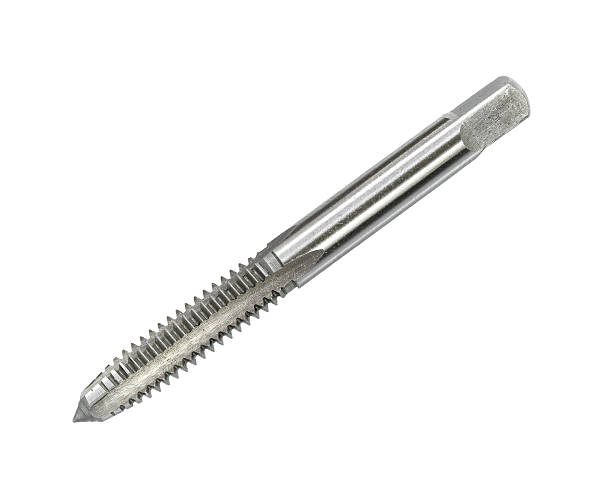
In precision engineering, selecting the right threading tool is critical for producing strong, reliable, and consistent threaded components. Among the many options available, Metric Acme Thread Taps are widely used for creating trapezoidal threads that deliver excellent load-bearing capacity and smooth motion. These thread forms are commonly found in lead screws, machine tools, lifting systems, and industrial automation equipment where durability and precision are essential.
Understanding how these taps work can help manufacturers improve machining quality, reduce production errors, and extend tool life. Whether you are an experienced machinist or a manufacturer looking to improve thread quality, knowing the fundamentals of these specialized taps is invaluable.
Here are ten essential facts every engineer, machinist, and manufacturer should know.
1. They Produce Strong Trapezoidal Threads
Unlike standard V-shaped threads, metric Acme threads feature a trapezoidal profile that offers greater strength and wear resistance. This unique design distributes loads more evenly across the thread surfaces, making it ideal for applications involving heavy mechanical movement.
These threads are particularly useful where power transmission rather than fastening is the primary function.
2. They Are Designed for Motion Applications
One of the biggest advantages of trapezoidal thread forms is their ability to convert rotary motion into linear movement efficiently. This makes them suitable for equipment that requires smooth, controlled motion over extended periods.
Common applications include:
- Lead screws
- CNC machinery
- Hydraulic systems
- Lifting equipment
- Industrial presses
- Automation systems
Their thread geometry minimizes excessive wear while maintaining high efficiency.
3. Material Quality Determines Performance
The performance of any thread tap depends heavily on the material used during manufacturing.
High-speed steel (HSS) remains one of the preferred materials because it provides:
- Excellent hardness
- Good wear resistance
- Long service life
- High cutting efficiency
Premium-grade taps maintain sharp cutting edges for longer periods, reducing downtime and replacement costs.
4. Proper Lubrication Is Essential
Even the highest-quality tap cannot perform well without adequate lubrication.
Using the correct cutting fluid offers several benefits:
- Reduces cutting friction
- Prevents overheating
- Improves thread finish
- Minimizes tool wear
- Helps evacuate chips efficiently
Proper lubrication also reduces the chances of tap breakage during deep threading operations.
5. Accurate Hole Preparation Matters
Many threading problems begin before the tap ever enters the workpiece.
A correctly drilled hole ensures:
- Proper thread depth
- Lower cutting resistance
- Better chip evacuation
- Reduced tap stress
- Improved dimensional accuracy
Choosing the correct drill size according to thread specifications is one of the simplest ways to improve machining results.
6. Correct Alignment Prevents Costly Errors
Thread quality depends heavily on maintaining proper alignment throughout the tapping process.
Misalignment can lead to:
- Crooked threads
- Excessive tool wear
- Poor surface finish
- Increased cutting torque
- Broken taps
Using rigid setups, quality tool holders, and properly calibrated machinery helps maintain alignment during production.
7. They Support Multiple Industrial Applications
Metric trapezoidal threads are widely used across numerous industries because they provide reliable mechanical performance under demanding operating conditions.
Industries that frequently use these taps include:
- Aerospace
- Automotive
- Heavy machinery
- Manufacturing
- Packaging equipment
- Robotics
- Medical equipment
- Agricultural machinery
Their versatility makes them valuable for both custom production and large-scale manufacturing.
8. Tool Maintenance Extends Service Life
Regular inspection and maintenance significantly improve tap longevity.
Good maintenance practices include:
- Cleaning after every use
- Removing built-up chips
- Applying rust protection
- Inspecting cutting edges
- Storing tools properly
- Replacing worn taps before failure
Preventive maintenance reduces unexpected production interruptions and improves overall machining consistency.
9. Precision Manufacturing Improves Thread Accuracy
High-quality taps are manufactured under strict dimensional tolerances to ensure accurate thread production.
Reliable manufacturers invest in:
- Precision grinding
- Heat treatment
- Advanced inspection equipment
- Consistent quality control
- International manufacturing standards
Companies like Gaugestools focus on producing precision-engineered threading solutions that help manufacturers maintain consistent quality across demanding industrial applications.
Choosing a trusted supplier contributes to better machining performance and long-term production reliability.
10. Choosing the Right Tap Maximizes Productivity
Selecting the proper tap involves more than simply matching thread size.
Several important factors should be considered:
- Thread standard
- Material being machined
- Blind or through holes
- Machine capability
- Cutting speed
- Coolant availability
- Production volume
- Required thread tolerance
Using the right Metric Acme Thread Taps for the application minimizes tool wear, improves machining efficiency, and delivers consistently accurate threads.
Working with experienced manufacturers such as Gaugestools also provides access to expert guidance for selecting the most suitable threading tools for specific production requirements.
Tips for Better Threading Results
For consistently successful threading operations, consider the following best practices:
- Use the recommended spindle speed.
- Select the proper cutting fluid.
- Drill the correct pilot hole size.
- Secure the workpiece firmly.
- Monitor chip evacuation regularly.
- Replace worn taps promptly.
- Perform routine machine maintenance.
- Verify thread dimensions after tapping.
These simple practices improve productivity while reducing scrap and tooling costs.
Why Precision Matters
Thread quality directly influences the reliability of assembled components. Poorly formed threads can lead to loose fittings, premature wear, increased maintenance, and even equipment failure.
Precision threading helps manufacturers achieve:
- Better assembly accuracy
- Improved load distribution
- Longer component life
- Reduced maintenance costs
- Higher product quality
- Increased operational safety
Investing in quality tooling ultimately delivers long-term savings through improved production efficiency and reduced downtime.
Conclusion
Metric trapezoidal threads play a vital role in countless industrial applications where strength, precision, and efficient power transmission are required. Understanding the key characteristics of Metric Acme Thread Taps, from material selection and lubrication to alignment and maintenance, enables manufacturers to achieve consistent threading performance while minimizing costly production issues.
Whether producing lead screws, automation equipment, or heavy machinery components, selecting precision-engineered threading tools makes a significant difference in overall machining quality. By partnering with trusted manufacturers and following proven machining practices, businesses can improve productivity, extend tool life, and maintain exceptional thread accuracy across every project.
FAQ
1. What are Metric Acme Thread Taps used for?
They are used to cut metric trapezoidal threads commonly found in lead screws, lifting equipment, machine tools, and linear motion systems.
2. What materials can these taps machine?
They are commonly used on steel, stainless steel, cast iron, aluminum, brass, bronze, and other engineering materials when proper cutting parameters are followed.
3. Why are trapezoidal threads preferred for power transmission?
Their trapezoidal profile provides greater load-bearing capacity, reduced friction, and improved durability compared to standard fastening threads.
4. How can tap life be extended?
Proper lubrication, correct drilling, accurate machine alignment, routine cleaning, and timely replacement of worn tools all contribute to longer tap life.
5. What should be considered when selecting a thread tap?
Important factors include thread standard, workpiece material, hole type, machining conditions, production volume, and required dimensional tolerance.