
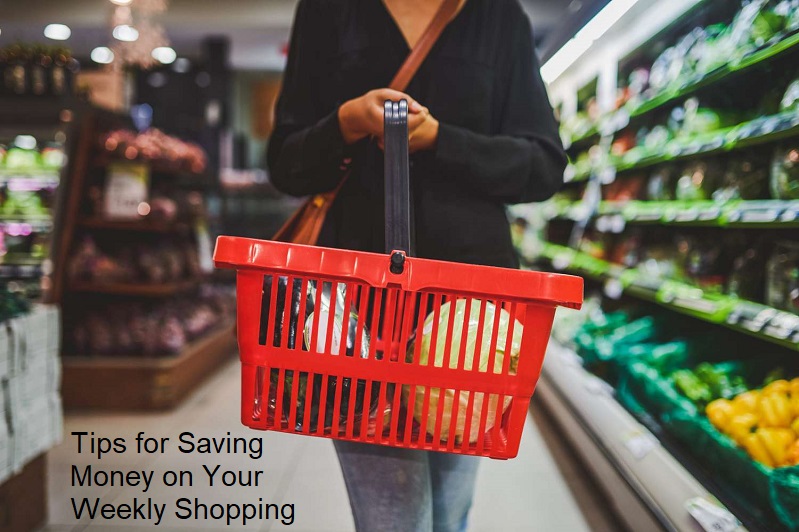
Many families have been hard hit by food prices in recent times. Now it can be seen that your weekly shop is nearly a quarter more expensive than in 2022. The average family is spending between €80-€100 a week to ensure that the fridge is full. That would take a substantial part of your hard-earned money straight to the supermarkets.
Through some smart tricks, you are able to cut this bill by up to €20-€30 a week. This may not perhaps sound very much at the outset. But consider it, you will save €25 a week, and that is an extra €1,300 in your pocket a year. This is sufficient to take a family holiday or redeem an overdue bill.
10 Tips for Saving Money on Shopping
1. Plan Your Meals Before You Shop
Have a simple meal plan at the beginning of the week. Take a pen and draw up a plan of what you will eat within the seven days. Go and see what is in your fridge and cupboards before rushing to the shops.
Write a correct list of what you really need and not what captures your interest subsequently. Be on the lookout for the deals that SuperValu has weekly and see how they can fit into your meal plans. Some planning on Sunday will save you up to 50 bucks per week.
2. Shop at Discount Stores First
Shop in the Hit Aldi or Lidl before the larger stores. At these locations, you will have to pay 25-35% less for the same item.
Compare the prices of your everyday essentials such as bread, eggs and butter. The savings build at a rapid rate! You do not have to have everything under one roof.
Smart customers also take the low-end goods at the bargain stores, then head to Tesco or SuperValu to take what is not sold out. It is always a good idea to check first in terms of the time of opening because there are smaller branches that close earlier than you may assume.
3. Use Store Apps and Loyalty Programs
You can save a fortune in a week with your phone. The Clubcard at Tesco offers a price reduction at the point of sale. The Real Rewards points at SuperValu are accrued faster than you think.
Dunnes has a convenient app, which will display the best deals of the week without leaving home. Now, even SPAR delivers digital vouchers directly to your phone. These apps can be downloaded when you are on your couch and not when you are already in the shop queue.
4. Buy Own-Brand Products
This is a stop to spending the extra on fancy labels. Tesco Value products are close to half the price of big brands. The own stuff of SuperValu is as good to taste as the expensive ones.
Every week, try one new brand of store rather than your favourite. Read the fine print on the rear label. Many of the labels in stores are produced in the same factories as the expensive brands. Many families use more than €800 annually because they prefer to hang around big names and do it out of routine.
5. Hunt for Yellow Sticker Reductions
It is the magic hour at most stores at about 7-9 pm on weekdays. The employees begin to cross out products that are about to expire. Search then in the refrigerated areas where they have the chilled 50 per cent off stickers. As soon as you can see less meat or fish, get it and freeze it that evening.
6. Buy in Bulk for Long-Life Items
Stock up on stuff that won’t go bad quickly. Rice, pasta and tinned food can keep you merry in your cupboard for several months. The Jumbo washing powder box may be very expensive today, but it will save you another two pounds on the later washes.
Do the prices per kilo. In the case that the bulk deals are too huge to put in your house, share them with a friend or relative. Never miss the little price label up on the shelf.
7. Use Cashback and Money-Saving Apps
You can leave the shop with your phone, putting euros back in your pocket. Revolut provides actual cashback at most grocery stores. TopCashback has an agreement with various large chains as well.
Some apps pay you small amounts just for taking photos of your receipts. The art is to stack the various offers within the same store. You might look at whether there are any new digital vouchers before they come out.
8. Avoid Ready Meals and Pre-Cut Food
The additional expenses of being served a meal are massive. A whole chicken is less expensive by comparison to purchasing only the breasts. Loose beats those already painted packs by miles – you are paying another person to cut it!
Prepare large pots of food simultaneously and freeze them to have on the busy days. Raw products will never be more expensive than ready-made.
9. Shop Once Per Week Only
The additional shopping will involve additional expenditures to the store; it is as simple as that. Choose one day out of the week as your primary shop day and abide by it. Those ten minutes of milk shopping turn out to be a 30-euro basket.
Spend enough new items so as to have enough to sustain the week through- buy stronger veg as the week progresses. The high prices of basics in the corner shop are 40 per cent higher than in the stores.
10. Budget Planning Section
Take a good look at your money flow each month. If loan payments eat too much of your income, you might save big by checking new loan rates. You can think of refinancing loans in Ireland so that you can have money to buy food even between debts. Lower monthly bills mean more cash for food and daily needs.
You can set a firm weekly food budget and track what you spend. Many families find they waste nearly €70 monthly on food they throw away. You can shop with cash only for a month to feel the real cost of what goes in your trolley.
Conclusion
Savings on groceries does not only mean being a tight-fisted person. It is not about shopping harder, but smarter. These tips are intended to work better when you combine and match them to suit your life.
You can start by changing only a few things during this week, two or three. It will not take long until you see the variance in your bank account. You are able to monitor what you save every week. Recommend to your friends and exchange stories about your best bargain.