

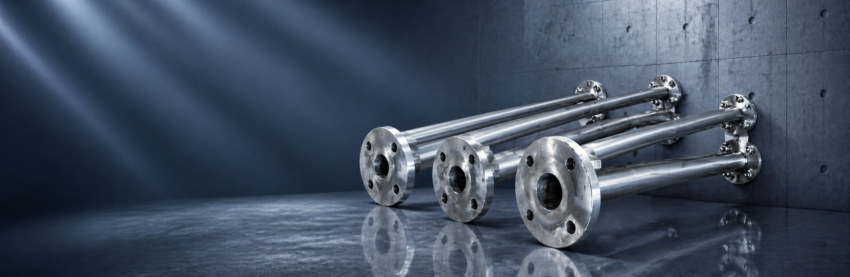
A chemical processing facility experiences an explosion in a nearby production unit. Within seconds, the protected ventilation system activates, blast valves isolate the incoming pressure, and filtration units continue supplying clean air to the control room. One of the most important components supporting this response is the Blast Pipe, which reinforces ventilation penetrations and helps maintain the structural integrity of blast-resistant walls. Choosing the wrong blast pipe can compromise the entire protection system, making it essential for engineers and procurement teams to evaluate more than just price before making a purchase.
What is a Blast Pipe?
A blast pipe is a specially engineered ventilation component designed for blast-resistant facilities. Unlike conventional HVAC ductwork, a Blast Resistant Pipe is manufactured to withstand high-pressure shock waves while protecting reinforced wall penetrations.
Its role extends beyond transporting air. During an explosion, the blast pipe distributes blast loads into surrounding structural elements, reducing stress around wall openings and helping maintain the integrity of protective structures. This allows ventilation systems to continue operating safely during emergency conditions.
The Sigma Power Tech Blast Pipe is engineered for defence, industrial, and critical infrastructure projects where dependable performance is essential.
How Blast Pipes Work During an Explosion
Explosion pressure places enormous stress on ventilation penetrations, often making them one of the weakest points in a reinforced structure.
A properly engineered blast pipe helps by:
- Protecting duct penetrations through reinforced walls
- Distributing blast loads across structural members
- Reducing deformation around ventilation openings
- Maintaining the structural integrity of protective walls
- Supporting protected airflow after the blast event
Instead of weakening the building, the ventilation penetration becomes an integral part of its blast-resistant design.
Choosing Price Over Engineering Quality
One of the most common purchasing mistakes is selecting the lowest-priced option without reviewing its engineering specifications.
A high-quality blast pipe incorporates reinforced steel construction, precision fabrication, and high pressure resistance. Lower-cost alternatives may lack the structural strength required for demanding applications, leading to higher maintenance costs and increased operational risk over time.
Ignoring System Integration
A blast pipe should never be evaluated as a standalone product.
It must integrate seamlessly with:
- Blast valves
- Gas-tight valves
- CBRN and NBC filtration systems
- Protected ventilation ducts
- Air handling equipment
Without proper integration, even a well-manufactured blast pipe may not provide complete ventilation protection during an emergency.
Overlooking Material Quality and Construction
Not all steel ventilation pipes are suitable for blast-resistant facilities.
Engineers should verify important features such as:
- Reinforced steel construction
- High mechanical strength
- Pressure-resistant design
- Corrosion-resistant coatings
- Precision welding and fabrication
- Long operational service life
These characteristics directly influence system reliability in high-risk environments.
Selecting Inexperienced Suppliers
Choosing suppliers without specialist blast protection expertise can create significant project risks.
When evaluating Blast Pipe Manufacturers in India, look for companies that offer:
- Proven blast protection engineering experience
- Custom-designed solutions
- Quality manufacturing processes
- Technical documentation and testing
- Engineering support during installation
- Reliable after-sales service
Experienced manufacturers understand how blast-resistant ventilation systems function as complete engineered solutions rather than isolated products.
Ignoring Lifecycle Value
Many buyers compare only the initial purchase price while overlooking long-term operating costs.
Several factors influence blast pipe pricing, including:
- Steel grade and material quality
- Wall thickness
- Pipe diameter
- Pressure resistance requirements
- Product certification
- Manufacturing precision
- Protective coatings
- Project-specific customisation
Although higher-quality products may require a greater upfront investment, they typically deliver longer service life, reduced maintenance, and improved operational reliability.
Where Blast Pipes are Used
Blast-resistant ventilation systems are installed in facilities where explosion risks could threaten personnel, equipment, or mission-critical operations.
Typical applications include:
- Defence and military facilities
- Underground bunkers and protective shelters
- Nuclear power plants
- Power generation stations
- Chemical processing facilities
- Oil and gas refineries
- Strategic government infrastructure
- High-security industrial facilities
Each environment demands ventilation components engineered to perform reliably under extreme conditions.
Why Blast Pipe Exhaust Systems Matter
A properly engineered blast pipe exhaust system is just as important as protected air intake. Exhaust ventilation must safely release air while preserving the structural integrity of reinforced walls.
When integrated with blast valves and filtration systems, protected exhaust solutions maintain balanced airflow without compromising the blast-resistant envelope of the building.
Choosing the Right Partner
Selecting the right manufacturer is just as important as choosing the right product. The best suppliers combine engineering expertise, quality manufacturing, and complete system integration.
The Sigma Power Tech Blast Pipe is designed to work seamlessly with blast valves, gas-tight valves, and advanced filtration systems, providing dependable protection for high-risk industrial, defence, and critical infrastructure projects.
Strengthen Your Facility’s Protection
Now is the right time to review your facility’s ventilation safety setup and confirm that every protective component meets current engineering requirements.
If your facility relies on ageing or conventional ventilation equipment, consider upgrading your blast protection systems with purpose-built solutions designed for blast-resistant environments.
To stay informed about emerging technologies and engineering best practices, explore more safety insights that help strengthen operational resilience and long-term safety.
Conclusion
Buying a blast pipe involves far more than comparing prices. Material quality, reinforced construction, pressure resistance, system integration, supplier expertise, and lifecycle value all play critical roles in determining long-term performance. A properly engineered blast pipe protects ventilation penetrations, distributes explosion loads, preserves structural integrity, and supports uninterrupted protected ventilation during emergency situations.
By partnering with experienced Blast Pipe Manufacturers in India, organisations can avoid costly procurement mistakes and build safer, more resilient facilities. The Sigma Power Tech Blast Pipe delivers dependable performance through reinforced engineering, precision manufacturing, and seamless integration with blast valves, gas-tight valves, and filtration systems, making it a trusted solution for defence, industrial, and critical infrastructure applications where safety and operational continuity are paramount.