
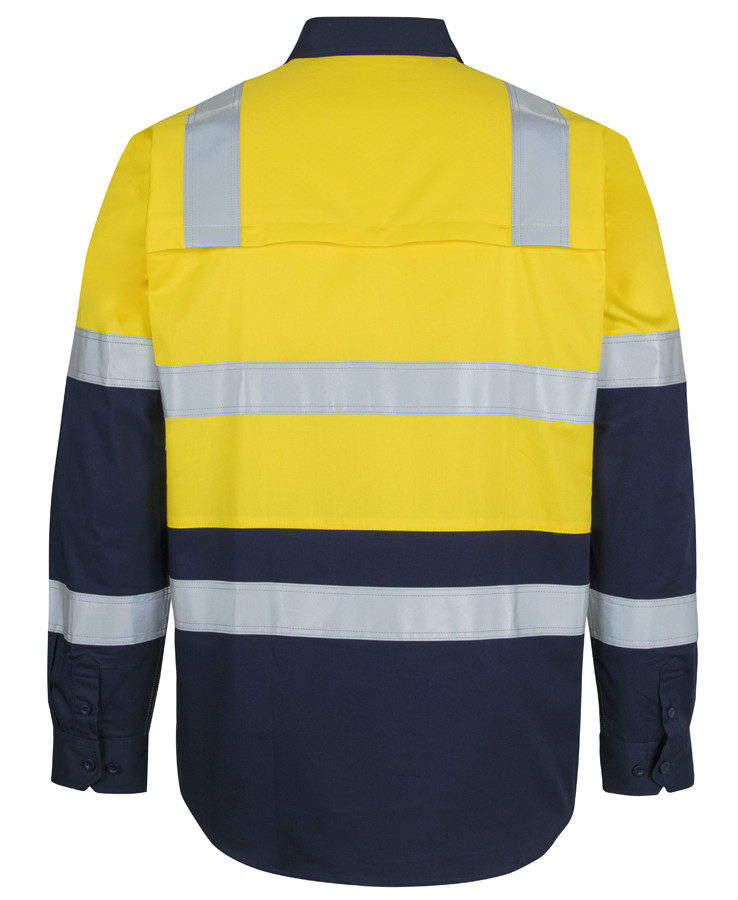
Workplace safety is no longer just a legal requirement—it is a responsibility that directly impacts lives. Across construction sites, warehouses, roadworks, mining operations, and logistics hubs, hi vis workwear has become one of the most critical components of personal protective equipment (PPE). What began as simple reflective garments has evolved into advanced safety apparel engineered for visibility, comfort, durability, and compliance.
Today, high visibility workwear and hi vis clothing are no longer optional additions to a uniform. They are essential tools that help prevent accidents, protect workers, and ensure businesses meet modern safety standards.
The Early Role of Hi Vis Workwear
In the past, hi vis workwear served a very basic function: to make workers visible. Early versions were often heavy, uncomfortable, and limited in design. Bright colours and a few reflective strips were considered sufficient, with little attention given to fit, climate conditions, or long-term wearability.
As industries expanded and worksites became more complex, it became clear that basic hi vis clothing was not enough. Poor visibility continued to contribute to workplace accidents, especially in low-light environments or high-traffic areas. This gap led to a major shift in how high visibility workwear was designed and regulated.
The Impact of Safety Standards and Regulations
One of the most important factors driving the evolution of high visibility workwear has been stricter safety regulations. Across Australia and globally, workplace safety authorities introduced standards governing colour brightness, reflective tape placement, garment durability, and performance in different conditions.
Compliance is now a non-negotiable requirement. Employers must ensure that the hi vis workwear they provide meets certified standards, as non-compliance can result in serious penalties, legal issues, and increased risk of injury.
Modern hi vis clothing is designed to maintain visibility even after repeated washing, prolonged exposure to sunlight, and harsh working environments. This regulatory framework has pushed manufacturers to innovate and improve quality across the board.
Modern Fabric Technology and Innovation
Fabric technology has transformed hi vis workwear from basic apparel into high-performance PPE. Today’s hi vis clothing uses lightweight, breathable materials that reduce heat stress and improve comfort during long shifts.
Moisture-wicking fabrics help regulate body temperature, while UV-resistant materials protect workers from prolonged sun exposure. Waterproof and wind-resistant options ensure that high visibility workwear performs reliably in all weather conditions.
These innovations are especially important in physically demanding industries, where discomfort can lead to fatigue, distraction, and reduced safety awareness. Well-designed hi vis workwear supports both protection and productivity.
Compliance Meets Comfort
One of the biggest misconceptions about hi vis workwear is that safety and comfort cannot coexist. Modern designs prove otherwise. Today’s high visibility workwear balances compliance with ergonomic design, offering better fit, flexibility, and ease of movement.
This evolution has increased worker acceptance and consistent use. When hi vis clothing is comfortable, workers are more likely to wear it correctly throughout their shift, significantly improving overall safety outcomes.
Industry-Specific Hi Vis Clothing
Another key development is the move toward industry-specific hi vis workwear. Different jobs come with different risks, and modern high visibility workwear reflects this reality.
For example:
- Road and traffic workers require maximum reflectivity for night visibility
- Construction workers need durable hi vis clothing with reinforced stitching
- Warehouse staff benefit from lightweight hi vis workwear that allows unrestricted movement
By tailoring hi vis clothing to real-world job requirements, businesses can reduce accident rates and improve compliance at the same time.
Reducing Workplace Accidents Through Visibility
Visibility plays a critical role in accident prevention. Studies consistently show that workers wearing compliant hi vis workwear are more easily noticed by vehicle operators, machinery users, and co-workers.
High visibility workwear improves reaction time, reduces misjudgement, and increases overall situational awareness. This is particularly important in environments where heavy equipment, moving vehicles, or low-light conditions are present.
Beyond physical visibility, hi vis clothing also promotes a strong safety culture. When teams consistently wear compliant hi vis workwear, it reinforces the importance of safety at every level of an organisation.
Hi Vis Workwear as Essential PPE
Today, hi vis workwear is recognised as essential PPE, not just work attire. Employers are responsible for providing high-quality, compliant high visibility workwear that performs reliably over time.
Low-quality hi vis clothing fades quickly, loses reflectivity, and fails to provide adequate protection. Investing in durable, certified hi vis workwear is a long-term safety decision that protects both workers and businesses.
Choosing Reliable Hi Vis Workwear Suppliers
As the importance of hi vis workwear grows, sourcing from trusted suppliers becomes critical. Reputable retailers ensure that high visibility workwear meets safety standards, offers consistent quality, and adapts to evolving industry needs.
Businesses and individuals turn to established suppliers like kingsworkwear for dependable hi vis clothing that balances safety, comfort, and durability. Access to a wide range of compliant hi vis workwear allows employers to equip their workforce appropriately for different roles and environments.
The Future of High Visibility Workwear
The future of hi vis workwear lies in continued innovation. Smart textiles, enhanced reflectivity, temperature-regulating fabrics, and sustainability-focused manufacturing are shaping the next generation of high visibility workwear.
What will not change is the essential role hi vis clothing plays in workplace safety. As worksites become more demanding and regulations continue to evolve, high visibility workwear will remain a fundamental requirement.
Final Thoughts
Hi vis workwear is no longer optional—it is essential. The evolution of high visibility workwear reflects a broader commitment to safety, compliance, and worker wellbeing. Modern hi vis clothing combines advanced materials, ergonomic design, and certified performance to meet the demands of today’s industries.
Businesses that prioritise quality hi vis workwear are investing in safer worksites, fewer accidents, and stronger safety cultures. As expectations continue to rise, choosing the right hi vis clothing will remain one of the most important safety decisions any organisation can make.