
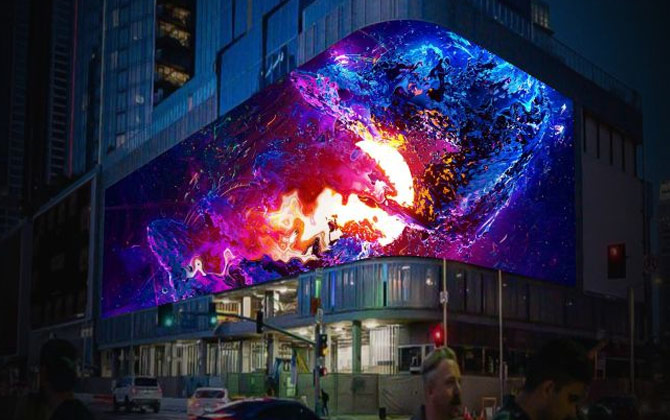
3D LED displays are getting more attention across retail, events, and outdoor advertising. They help brands showcase content that feels deeper and more eye-catching without the need for glasses. You may also see them used as a rental LED display for launches, shows, and short-term campaigns.
At the same time, using a 3D LED display is not a simple task. These screens need careful planning, clear goals, and the right setup. Before you invest or rent one, it helps to understand the challenges involved and how they affect results. Below are the key challenges you should consider before using an LED display.
Top Challenges That Come With Using 3D LED Displays
3D LED displays look impressive. But, they can come with real limits. These challenges affect cost, planning, and long-term results. Knowing them early helps you decide clearly.
1. Content Creation Complexity
3D displays depend heavily on content. Without the right visuals, the screen can look flat or confusing. This makes content planning a serious task, not an afterthought.
- Content must be designed for a fixed viewing angle
- Regular 2D videos do not work well
- Skilled designers are often needed
After the content is built, testing becomes necessary. Small errors can break the depth effect. You also need updates, which add time and cost over the long term.
2. Viewing Angle Limitations
The 3D effect works best from specific angles. When people move away from that zone, the illusion weakens. This can reduce the impact in busy public spaces.
- Best results come from front-facing views
- Side views often lose depth
- Crowd movement affects consistency
You must plan placement with care. A rental LED display placed without angle planning may disappoint viewers. This makes site surveys very important.
3. Higher Initial Cost
3D displays usually cost more than standard LED screens. This includes the hardware and the content work. Budget planning must account for both.
- Higher screen resolution is required
- Custom content adds extra cost
- Setup may need special support
While the screen can attract attention, the return is not instant. You need long-term use or strong campaigns to justify the spend. This matters even more for short-term rentals.
4. Installation Challenges
Installing a 3D LED display takes more effort than flat screens. The structure must be precise to keep alignment correct. Any mismatch affects the visual depth.
- Structural accuracy is required
- Corners and edges need care
- The load capacity must be checked
Installation errors are hard to fix later. This can cause delays or added expense. A rushed setup often leads to poor results.
5. Maintenance and Technical Support
LED displays rely on tight calibration. Over time, panels can shift or age differently. This can reduce the depth effect.
- Regular checks are needed
- Panel color must stay uniform
- Skilled technicians are required
For a rental LED display, this can be harder. The screen often moves and faces more wear. Good support planning helps avoid downtime.
6. Content Fatigue Over Time
3D visuals grab attention at first. But repeated content can lose its impact quickly. Viewers get used to the effect.
- Static visuals lose appeal fast
- Frequent updates are needed
- Creative refresh takes planning
Without fresh content, the screen becomes background noise. This lowers value over time. Planning a content calendar helps manage this issue.
7. Environmental Factors
Outdoor 3D displays face weather and light issues. Bright sunlight can reduce clarity. Rain and dust can affect performance.
- High brightness is required
- Weatherproofing adds cost
- Heat management is important
These factors increase operating effort. You must plan for local conditions. Ignoring this can shorten screen life.
8. Power and Energy Use
3D displays often use more power. Higher brightness and resolution increase energy draw. This affects running costs and planning.
- Power supply must be stable
- Backup systems may be needed
- Energy bills can rise
In some locations, power limits are already fixed. This can restrict screen size or operating hours. Planning power needs early help to avoid last-minute changes and added expense.
When a 3D LED Display Makes Sense
A 3D display works best when it serves a clear purpose. It is most effective in locations where people naturally stop, look, and absorb what is on screen. Without that pause, the extra effort often goes unnoticed.
A 3D display is a better fit in situations like:
- High-footfall areas where people slow down
- Product launches and brand announcements
- Pop-ups, exhibitions, and short-term events
- Locations with a clear front-facing view
This format suits short, bold messages better than long explanations. It performs well when the visual idea is simple and easy to grasp. In many cases, a rental LED display works better because it keeps plans flexible and costs controlled.
Conclusion
A 3D LED display can be a strong visual tool when used with care. It brings depth and presence that flat screens cannot offer. At the same time, it comes with real challenges that affect cost and long-term value.
Before choosing a 3D display, you should consider the content and support requirements. Clear goals and realistic budgets make a big difference. With the right approach and a trusted provider like Cinstar LED, you can reduce risks and use the technology in a way that makes sense for your brand.