
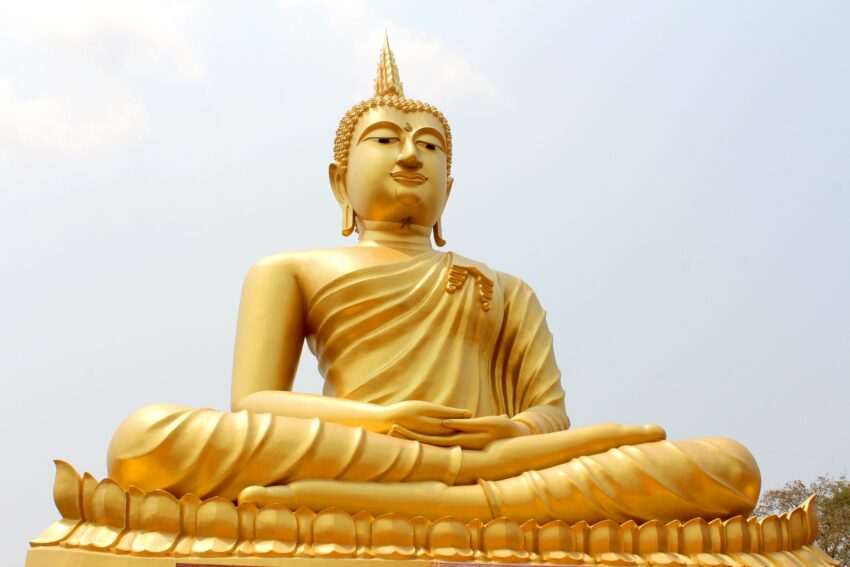
India, the birthplace of Buddhism, remains a spiritual hub for millions of followers worldwide. Buddhist Festivals in India are not only religious observances but also cultural spectacles that highlight the teachings of the Buddha, the values of compassion, and the traditions of diverse Buddhist communities. Celebrated across states like Bihar, Uttar Pradesh, Ladakh, Sikkim, and Arunachal Pradesh, these festivals bring together devotees, monks, and travelers in a shared spirit of peace and mindfulness.
Why Buddhist Festivals Matter
- Spiritual Significance: They commemorate key events in the Buddha’s life—his birth, enlightenment, and Mahaparinirvana.
- Cultural Diversity: Different regions celebrate with unique rituals, dances, and traditions.
- Community Bonding: Festivals unite monks, lay followers, and tourists in shared practices.
- Tourism Appeal: Sites like Bodh Gaya, Sarnath, and Leh attract thousands of international visitors during festival seasons.
Major Buddhist Festivals in India
1. Buddha Purnima (Vesak)
- When: Celebrated on the full moon day in April–May.
- Where: Bodh Gaya, Sarnath, Kushinagar, and Delhi.
- Significance: Marks the birth, enlightenment, and death of the Buddha.
- Highlights:
- Prayer meetings at Mahabodhi Temple, Bodh Gaya.
- Processions with relics of the Buddha.
- Distribution of kheer (rice pudding), symbolizing the meal offered to Buddha before enlightenment.
- Meditation sessions and Dhamma talks.
2. Losar – Tibetan New Year
- When: January–February.
- Where: Ladakh, Dharamshala, Sikkim, Arunachal Pradesh.
- Significance: Marks the Tibetan New Year and the start of the lunar calendar.
- Highlights:
- Masked dances (Cham) performed by monks.
- Ritual offerings to deities.
- Family gatherings and feasts.
- Cleaning and decorating monasteries.
3. Hemis Festival
- When: June–July.
- Where: Hemis Monastery, Ladakh.
- Significance: Celebrates the birth anniversary of Guru Padmasambhava, who spread Buddhism in Tibet.
- Highlights:
- Colorful Cham dances by monks in elaborate costumes.
- Display of the monastery’s sacred thangka (religious painting).
- Traditional music and cultural performances.
4. Ullambana (Ancestor Festival)
- When: August–September.
- Where: Bihar, Sikkim, Ladakh.
- Significance: Honors ancestors and departed souls.
- Highlights:
- Ritual offerings to monks.
- Prayers for the liberation of souls.
- Community feasts.
5. Saga Dawa
- When: May–June.
- Where: Sikkim and Ladakh.
- Significance: Commemorates Buddha’s birth, enlightenment, and death.
- Highlights:
- Pilgrimages to monasteries.
- Lighting of butter lamps.
- Chanting of scriptures.
6. Kathina Ceremony
- When: October–November.
- Where: Bihar, Uttar Pradesh, and monasteries across India.
- Significance: Marks the end of the monastic rains retreat (Vassa).
- Highlights:
- Offering of new robes to monks.
- Community donations and rituals.
7. Magha Puja
- When: February–March.
- Where: Bodh Gaya and Sarnath.
- Significance: Celebrates the gathering of 1,250 disciples who received direct teachings from Buddha.
- Highlights:
- Candlelight processions.
- Chanting of sutras.
- Meditation retreats.
Regional Variations
- Bihar & Uttar Pradesh: Focus on historical sites like Bodh Gaya, Sarnath, and Kushinagar.
- Ladakh: Festivals like Losar and Hemis blend Tibetan Buddhist traditions with local culture.
- Sikkim & Arunachal Pradesh: Saga Dawa and Losar celebrated with vibrant rituals and dances.
- Maharashtra: Ajanta and Ellora caves host cultural events during Buddha Purnima.
Cultural Elements of Buddhist Festivals
- Cham Dances: Masked dances symbolizing the victory of good over evil.
- Butter Lamps: Lit to dispel darkness and ignorance.
- Thangka Displays: Sacred paintings unveiled during major festivals.
- Community Feasts: Vegetarian meals shared among devotees.
- Pilgrimages: Visits to monasteries and stupas for prayers.
Tourism and Buddhist Festivals
- International Appeal: Pilgrims from Sri Lanka, Thailand, Myanmar, and Japan visit India during festival seasons.
- Economic Impact: Boosts local tourism, handicrafts, and hospitality industries.
- Spiritual Tourism: Meditation retreats and cultural tours are popular among foreign visitors.
Conclusion
India’s Buddhist festivals are more than religious events; they are cultural celebrations that embody peace, compassion, and mindfulness. From the grandeur of Buddha Purnima in Bodh Gaya to the colorful Losar in Ladakh, Buddhist Festivals in India offer a unique blend of spirituality and tradition. For pilgrims, they provide spiritual fulfillment; for travelers, they offer cultural enrichment; and for historians, they are invaluable treasures of India’s heritage.