
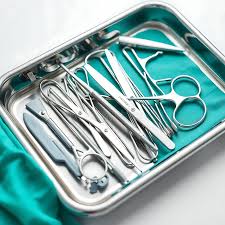
Comprehensive Guide to Dental Instruments in the US: Types, Uses, and Clinical Importance
Dental instruments in US are essential tools used by dental professionals in clinics, hospitals, community care settings, and educational institutions across the country. These instruments support oral healthcare procedures ranging from basic examinations to complex surgical treatments. Understanding the key types of dental tools, their applications, and why high‑quality dental instruments matter is important for both dental practitioners and patients seeking optimal dental care.
Dental instruments are hand‑held tools that enable dentists and dental hygienists to examine, diagnose, treat, maintain, and restore oral health safely and effectively. These instruments come in many forms and serve different purposes — from diagnosing tooth decay to performing extractions and periodontal therapy.
What Are Dental Instruments?
Dental instruments are specialized hand‑held tools used by dental professionals during clinical procedures. The term refers to all handheld devices that assist in dental examination, diagnosis, restoration, cleaning, and surgical treatments. These instruments must meet strict manufacturing and sterilization standards to ensure safety, durability, and performance.
Dental instruments differ from larger dental equipment, such as imaging systems or sterilization machines. The focus here is on the portable tools that clinicians hold and manipulate directly during dental procedures.
Importance of Dental Instruments in Clinical Practice
Dental instruments play a central role in the delivery of quality oral care. Without the right instruments, dental professionals cannot thoroughly examine oral structures, administer treatments safely, or execute complex procedures. Quality instruments improve precision, reduce treatment time, enhance patient comfort, and support clinical workflow efficiency.
In the US, dental practices follow stringent infection control protocols. Instruments undergo sterilization and maintenance to prevent cross‑contamination and ensure consistent performance. Proper instrument management contributes directly to patient safety and clinical outcomes. Studies have shown that organized and well‑maintained instrument sets reduce procedural interruptions and support efficient clinical practice.
Classification of Dental Instruments
Dental instruments are typically categorized based on their primary function. These categories help dental teams prepare instrument trays specific to the procedure being performed.
Diagnostic and Examination Instruments
Diagnostic instruments allow dental professionals to examine the mouth and detect problems early.
-
Mouth Mirror – Provides indirect vision and reflects light onto oral surfaces that are difficult to see directly. It also retracts soft tissues like cheeks and tongue during examination.
-
Explorer Probe – A pointed tool used to detect irregularities on tooth surfaces and identify caries.
-
Periodontal Probe – Measures the depth of gum pockets around teeth to assess periodontal health.
-
Cotton Pliers – Used to place or remove cotton rolls and other small items during an exam.
These instruments are essential in routine checkups and initial oral assessments at any dental office in the US.
Restorative and Hand‑Cutting Instruments
Restorative instruments help dentists treat cavities and place fillings, while hand‑cutting instruments prepare tooth structure.
-
Excavators – Remove decayed tooth material manually.
-
Carvers and Condensers – Shape and compress filling materials during restoration.
-
Burnishers – Smooth and polish the surface of a restoration once placed.
These tools support treatments that restore teeth to normal function and appearance. Restorative instruments must be precise and comfortable for continuous clinical use.
Periodontal Instruments
Periodontal instruments focus on gum health and the treatment of periodontal disease.
-
Scalers and Curettes – Remove tartar and plaque from above and below the gum line.
-
Periodontal Knives – Used in surgical periodontal therapy to remove diseased tissue.
Maintaining periodontal health is crucial for preventing gum disease and preserving overall oral wellness.
Surgical and Extraction Instruments
Surgical instruments help dental professionals perform extractions and oral surgical procedures.
-
Elevators – Loosen teeth from the ligament before extraction.
-
Forceps – Extract teeth once they are sufficiently loosened.
-
Bone Chisels and Scalpels – Used in more advanced surgical procedures to prepare bone or soft tissue.
These instruments are designed to withstand force while minimizing trauma to surrounding tissues.
Endodontic Instruments
Endodontic instruments support root canal therapy and internal tooth treatments.
-
Files and Reamers – Clean and shape root canals.
-
Barbed Broaches – Remove soft tissue from canals before filling.
Endodontic procedures require highly specialized tools to ensure all infected tissue is removed and the canal is prepared properly for sealing.
Auxiliary Dental Instruments
Auxiliary instruments are not directly involved in treatment but support procedural efficiency and safety.
-
Mixing Spatulas – Mix dental materials.
-
Dappen Dishes – Hold small amounts of materials used during procedures.
These supporting instruments help streamline dental workflows.
Modern Trends in Dental Instrumentation in the US
Dental instruments continue to evolve with clinical needs and technological advances. While traditional hand‑held tools remain essential, modern practices increasingly integrate advanced intraoral imaging devices, ergonomic handles, and improved stainless‑steel alloys to enhance usability and precision.
Intraoral cameras, for example, provide real‑time visual feedback that enhances patient communication and clinical planning. Even as digital dentistry expands, the core set of hand instruments continues to form the backbone of everyday clinical care.
Sterilization and Infection Control for Dental Instruments
In the US, dental practices follow strict guidelines to ensure that instruments are sterile and safe for reuse. Instruments are cleaned thoroughly, packaged, and sterilized using high‑pressure steam systems or other approved methods.
Sterilization is vital for preventing infection and meeting regulatory standards. Every dental instrument must be cleaned and inspected before being used on the next patient, ensuring cross‑contamination risks are minimized.
Choosing Quality Dental Instruments
Selecting quality dental instruments is crucial for long‑term performance, clinical efficiency, and patient comfort. Instruments should be durable, easily sterilizable, and ergonomically designed to reduce hand fatigue during procedures.
Dental professionals in the US prioritize instruments made from high‑grade materials that withstand repeated sterilization cycles and provide reliable clinical performance.
Impact of Dental Instruments on Oral Health Outcomes
Well‑maintained and properly used dental instruments have a direct impact on the success of treatments and overall oral health outcomes. Accurate diagnosis, effective cleaning, precise restorative work, and safe surgical procedures all depend on the right tools being available and in good condition.
Clinicians trained in instrument handling improve treatment efficiency, reduce chair time, and help patients feel more comfortable during procedures.
Conclusion
Dental instruments in the US are indispensable tools that make modern dentistry possible. From diagnostic mirrors and probes to periodontal scalers and surgical elevators, each instrument plays a specific role in maintaining and restoring oral health. Understanding the classifications, uses, and clinical significance of these instruments enhances the quality of care that dental professionals deliver.
By focusing on instrument quality, proper maintenance, and adherence to sterilization protocols, dental practices across the United States continue to uphold the highest standards in oral healthcare — ensuring patients receive precise, safe, and effective treatment outcomes.