
For centuries, humans have thrived in communities rather than isolation. From ancient villages to modern eco-townships, cluster living has consistently shown a positive impact on physical health, mental well-being, and overall life balance. While modern lifestyles often promote independence and privacy, science and tradition both suggest that living in close-knit clusters can lead to healthier, more fulfilling lives. This way of living is not just about sharing space—it is about shared values, collective wellness, and harmony with nature.
The Historical Roots of Cluster Living
Cluster living is not a modern concept. Ancient civilizations across India, Asia, Africa, and Europe lived in small, connected communities. These clusters allowed people to share resources, protect one another, and maintain a balanced lifestyle. Daily routines were naturally aligned with sunlight, seasons, and local food availability. People walked more, ate fresh produce, and engaged socially—habits that modern health experts now encourage.
In traditional Indian villages, cluster living was deeply connected with Ayurveda and holistic health principles. Homes were built close together, community spaces encouraged interaction, and food was grown locally. This environment reduced stress, promoted physical activity, and supported emotional well-being.
Social Connection and Mental Well-Being
One of the strongest benefits of cluster living is social connection. Humans are social beings, and isolation has been linked to anxiety, depression, and lifestyle disorders. In clustered communities, people interact daily—sharing conversations, meals, and responsibilities. These interactions build emotional resilience and reduce feelings of loneliness.
Elderly individuals, in particular, benefit greatly from this setup. Instead of living alone, they remain socially active, mentally engaged, and emotionally supported. Children also grow up with a sense of belonging, learning cooperation and empathy from an early age.
Reduced Stress Through Shared Responsibilities
Modern life often feels overwhelming due to individual responsibilities. Cluster living distributes these responsibilities among community members. Whether it is maintaining shared spaces, managing resources, or supporting one another during difficult times, the shared approach reduces stress and burnout.
This collective lifestyle creates a sense of security. Knowing that help is nearby—whether emotional, physical, or practical—lowers stress levels and supports better mental health. Lower stress directly contributes to improved immunity, better sleep, and balanced hormones.
Healthier Eating Habits and Local Nutrition
Cluster living traditionally supports local and seasonal diets. Communities often grow food together or source it locally, ensuring freshness and nutritional value. Many traditional diets included vegetables, grains, and legumes grown nearby, promoting digestive health and sustained energy.
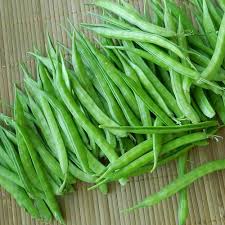
Foods like cluster beans have long been part of such diets. Known for their high fiber content, vitamins, and minerals, cluster beans support digestion, blood sugar control, and heart health. When communities consume locally grown produce like cluster beans, they benefit from both nutritional value and environmental sustainability.
Physical Activity as a Natural Routine
In cluster living environments, physical activity is built into daily life. Walking to nearby homes, working in shared gardens, or participating in community tasks keeps people active without the need for structured workouts. This natural movement improves cardiovascular health, joint flexibility, and muscle strength.
Unlike sedentary urban lifestyles, clustered communities encourage outdoor activity and reduced screen time. Exposure to sunlight helps regulate sleep cycles and supports vitamin D levels, further enhancing physical well-being.
Environmental Balance and Cleaner Living Spaces
Cluster living often promotes eco-friendly practices. Shared resources reduce waste, energy consumption, and environmental impact. Communities are more likely to adopt sustainable practices such as rainwater harvesting, organic farming, and minimal plastic use.
Cleaner surroundings directly impact health. Reduced pollution, better air quality, and greener spaces lower the risk of respiratory issues and lifestyle diseases. Living closer to nature also has proven mental health benefits, including reduced anxiety and improved mood.
Emotional Balance Through Shared Culture and Traditions
Cultural practices and traditions flourish in clustered communities. Festivals, rituals, and daily customs bring people together, creating emotional stability and identity. These shared experiences offer a sense of continuity and purpose, which is often missing in isolated urban lifestyles.
Traditional food preparation, herbal remedies, and wellness practices are passed down through generations. Ingredients like cluster beans are not just food items but part of cultural knowledge linked to health and balance.
Support During Illness and Recovery
Another significant advantage of cluster living is community support during illness. In such environments, individuals are not left to manage health challenges alone. Neighbors assist with meals, caregiving, and emotional support, which speeds up recovery and reduces mental strain.
This support system is especially important for chronic conditions and mental health challenges. Emotional reassurance and practical help can be as important as medical treatment in achieving long-term wellness.
Modern Relevance of an Ancient Lifestyle
Today, urban planners and wellness experts are revisiting the concept of cluster living. Gated communities, co-housing models, and wellness retreats are adopting elements of traditional clustered lifestyles. These modern adaptations aim to combine privacy with community, offering the best of both worlds.
With rising lifestyle diseases, stress-related disorders, and mental health concerns, the principles of cluster living are more relevant than ever. Balanced nutrition, social connection, and environmental harmony are no longer optional—they are essential.
The Role of Food in Community Health
Food has always been central to community life. Shared meals strengthen bonds and promote mindful eating. Traditional ingredients like cluster beans play a role beyond nutrition; they represent a connection to land, culture, and health wisdom.
Regular consumption of fiber-rich vegetables supports gut health, which is now recognized as a foundation of overall well-being. When communities prioritize such foods, health becomes a collective outcome rather than an individual struggle.
Conclusion
Cluster living is more than a housing arrangement—it is a lifestyle rooted in balance, connection, and sustainability. By encouraging social interaction, physical activity, healthier eating habits, and emotional support, it naturally promotes better health and long-term well-being.
As modern society searches for solutions to stress, isolation, and lifestyle diseases, the wisdom of cluster living offers a powerful answer. By embracing community-oriented living and traditional practices, individuals can rediscover balance—not just in their health, but in life itself.