
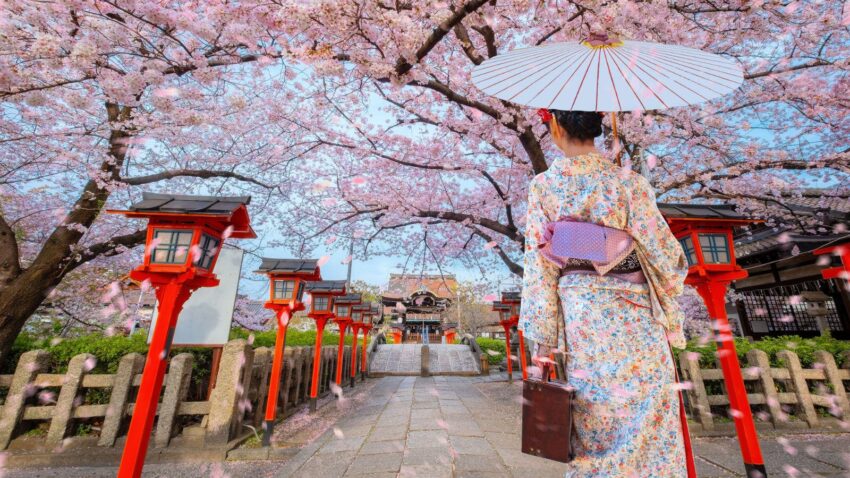
Exploring the neon-lit streets of Tokyo or the serene temples of Kyoto has never been easier for Brazilian citizens. With the introduction of the Japan e-Visa, the traditional, time-consuming embassy visits are becoming a thing of the past. If you’re planning your dream trip from Brazil to the Land of the Rising Sun, this guide covers everything you need to know about securing your Japan e-Visa from Brazil.

Do Brazilian Citizens Need a Visa for Japan?
While Brazil and Japan have a reciprocal visa waiver agreement for short-term stays, many travelers still prefer or require the e-Visa for specific documentation purposes or when their travel profile doesn’t fall under the standard exemption rules. It is always best to check the current status of your specific passport and travel intentions. For most tourists, the e-Visa serves as the most reliable, digitally stored entry permit.
What Is the Specific Japan e-Visa Type and Duration?
The most common type issued via the electronic system is the Single Entry Tourist Visa.
- Duration of Stay: Generally allows for up to 15 days, though it can be valid for up to 90 days depending on the specific approval.
- Validity: Once issued, you must enter Japan within 90 days. If you do not travel within this window, the visa expires.
Which Documents are Required for the Japan e-Visa Application?
To ensure a smooth process through japan-evisa.info, you should have the following digital Japan Visa Document Requirements:
- Valid Brazilian Passport: Must have at least six months of validity remaining from the date of entry.
- Recent Digital Photograph: A passport-style photo with a plain background, taken within the last six months.
- Proof of Residence: Confirmation that you are applying from within Brazil.
- Travel Itinerary: Details of your flight bookings and planned accommodation.
- Financial Support Documents: Bank statements or proof of income to demonstrate you can support your stay.
How Long Does Japan e-Visa Processing Take from Brazil?
One of the most frequent questions from travelers is, “How long will it take?” Depending on how close your departure date is, japan-evisa.info offers three processing tiers:

Can My Agent Update My Visa Status?
Yes, one of the primary benefits of using japan-evisa.info is the ability for our agents to proactively monitor and update you on your visa status. You don’t have to keep checking the government portal yourself; our team provides real-time notifications via email or WhatsApp as your application moves through the stages of review, submission, and final issuance.
Can I Apply for a Japan e-Visa as a Group or Family?
Absolutely. If you are traveling with family or a group of friends, you can submit a Group Application. This allows one person to manage the documentation for the entire party, ensuring that all itineraries and supporting financial documents are consistent. Each member will still receive their individual e-Visa, but the process is significantly more streamlined when managed collectively through our platform.
What Are the Rules for Children and Age-Based Travel?
Minors (under 18) are eligible for the Japan e-Visa, but they must have their own application. Brazilian law is particularly strict about minors traveling:
- Both Parents Present: No additional authorization usually needed.
- One Parent/Alone: You must provide notarized authorization letters from the absent parent(s) and a birth certificate.
- Document Check: We help ensure these sensitive documents are uploaded correctly to avoid delays for your family vacation.
What Healthcare Facilities Are Available for Tourists in Japan?
Japan has world-class medical facilities, and many major hospitals in cities like Tokyo and Osaka have English-speaking staff. It is highly recommended to have travel insurance, as medical costs for foreign visitors can be high. If you need medical assistance, you can use the JNTO (Japan National Tourism Organization) website to find “Medical Institutions for Foreign Visitors” nearby.
What Happens if I Lose My Documents or Need an Emergency Passport?

If you lose your passport in Japan:
- Police Report: Go to the nearest Koban (police box) and get a “Certificate of Loss.”
- Contact Consulate: Visit the Brazilian Embassy in Tokyo or Consulate in Hamamatsu/Nagoya to apply for an Emergency Passport (ARD).
- e-Visa Recovery: Because your e-Visa is digital, you can easily recover your visa notice from your email or by contacting japan-evisa.info with your new document details.
How Do Taxis and Public Transport Work in Japan?
Japan’s transport system is legendary.
- Trains/Subway: Get an IC card (like Suica or Pasmo) or a JR Pass for seamless travel.
- Taxis: Taxis are safe and clean. Note that the rear left door opens and closes automatically—you don’t need to touch it!
- Apps: Use apps like “GO” or “Uber” (which calls licensed taxis in Japan) to book rides easily without needing to speak Japanese.
Can I Drive in Japan with a Brazilian International Driving Permit?
Important: Brazilian citizens cannot currently drive in Japan using a Brazilian International Driving Permit (IDP). This is because Japan only recognizes IDPs from the 1949 Geneva Convention, while Brazil issues them under the 1968 Vienna Convention. If you plan to drive, you would need to obtain a Japanese driver’s license, which involves a written and practical exam. For most tourists, the train system is the superior choice.
Can I Convert My Tourist e-Visa to Another Status on Arrival?
Generally, no. A Japan tourist e-Visa grants you “Temporary Visitor” status, which is strictly for non-remunerative activities like sightseeing. You cannot convert this to a work or student visa while inside Japan except in extremely “exceptional and unavoidable circumstances.” If you plan to work or study, you must apply for the correct visa category from Brazil before you depart.
What Final Tips Should Brazilian Travelers Know?
Before you leave Brazil, ensure you have downloaded the Visit Japan Web app for faster customs clearance. With your e-Visa secured through japan-evisa.info, you can focus on the fun parts—like exploring Tokyo’s skyscrapers or the traditional gardens of Kyoto!