
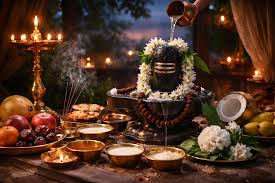
Shivratri, especially Maha Shivratri, is one of the most auspicious nights in Hinduism, dedicated to Lord Shiva, the destroyer of negativity and the harbinger of spiritual transformation. While it is a time for devotion, fasting, and spiritual practices, many households notice tension, arguments, or home distress during this period. Understanding the reasons behind this distress and implementing spiritual remedies can restore harmony, peace, and prosperity.
Home distress refers to discord, misunderstandings, financial issues, or emotional tension that disrupts the peace of a household. Shivratri, being a night of spiritual energy, magnifies both positive and negative vibrations. Therefore, recognizing the underlying causes and taking remedial actions in alignment with Lord Shiva’s blessings can transform challenges into harmony and growth.
1. Reasons for Home Distress in Shivratri
Several factors can contribute to home distress during Shivratri. These include planetary influences, negative energies, and lifestyle habits that create tension. Some of the common reasons are:
a) Planetary and Astrological Influences
In Vedic astrology, certain planetary positions can influence family harmony:
-
Afflicted Moon: The Moon governs emotions and mental peace. If it is weak or afflicted in your horoscope, it can cause mood swings, misunderstandings, and domestic tension.
-
Shani (Saturn) Influence: Saturn’s influence can bring delays, obstacles, and feelings of dissatisfaction in family matters.
-
Rahu and Ketu: These shadow planets often create confusion, stress, and unexpected challenges, leading to disputes or emotional strain in the household.
During Shivratri, when spiritual energies are heightened, these planetary influences may become more noticeable, intensifying conflicts and misunderstandings.
b) Negative Energies in the Household
Negative energies, sometimes referred to as Vastu defects or restless spirits, can disturb peace in a home:
-
Improper placement of furniture or rooms affecting energy flow.
-
Accumulation of clutter, which blocks positive vibrations.
-
Presence of negative emotions such as anger, jealousy, or resentment lingering in the household.
These energies tend to amplify during auspicious nights like Shivratri, affecting relationships and mental well-being.
c) Financial and Material Stress
Financial concerns, debts, or sudden losses often manifest as arguments, irritability, or worry in the household. Shivratri’s energy emphasizes introspection and spiritual alignment, and if material imbalances exist, they can create tension and disharmony.
d) Lack of Spiritual Connection
Homes that do not engage in prayer, meditation, or spiritual practices may struggle with internal disharmony during Shivratri. The heightened energy of the night demands mindfulness, devotion, and calm. Absence of these elements can lead to emotional unrest, irritability, and arguments among family members.
e) Communication Gaps
Misunderstandings, unexpressed feelings, or poor communication are common reasons for home distress. During Shivratri, the energy encourages reflection and honest dialogue. Without clear communication, tension can escalate and cause long-term disharmony.
2. Solutions for Home Distress in Shivratri
Fortunately, Shivratri is a night of spiritual remedies and divine blessings, especially from Lord Shiva. By following these solutions, you can remove negative influences, restore peace, and strengthen family bonds.
a) Performing Shiva Pooja and Abhishekam
-
Conducting a Shiva Lingam Abhishekam with water, milk, honey, and sacred flowers is highly auspicious.
-
Chanting mantras like “Om Namah Shivaya” during pooja purifies the home and brings positive energy.
-
Abhishekam symbolizes cleansing, protection, and the removal of negative vibrations affecting the household.
Regular worship of Lord Shiva helps reduce tension, enhances emotional stability, and attracts harmony.
b) Fasting and Spiritual Discipline
-
Observing a fast on Shivratri aligns the body and mind with divine energy.
-
Even partial fasting or consuming sattvic foods such as fruits, milk, and nuts can purify energies.
-
Fasting fosters patience, calmness, and compassion among family members, reducing conflicts.
Spiritual discipline encourages mindfulness, which is key to reducing home distress.
c) Chanting Mantras for Peace
-
Regular chanting of Maha Mrityunjaya Mantra protects the household from negative influences, misfortune, and illness.
-
Repeating Om Namah Shivaya while meditating improves emotional balance and strengthens family bonds.
-
Mantras generate vibrations that cleanse negative energy, creating a peaceful atmosphere in the home.
Even children can participate by reciting simple chants, instilling harmony and devotion.
d) Vastu Corrections and Cleansing
-
Ensure proper placement of furniture, bed, and altar according to Vastu principles.
-
Remove clutter and keep the home clean to allow positive energy to circulate.
-
Burning incense, ghee lamps, or camphor during Shivratri purifies the air and energy in every room.
A home aligned with Vastu and cleanliness reduces stress and promotes well-being.
e) Charity and Helping Others
-
Donating food, clothes, or money on Shivratri attracts positive karma and energy.
-
Acts of kindness reduce internal tension and promote gratitude and compassion among family members.
-
Charity on auspicious nights multiplies spiritual benefits, bringing harmony and prosperity to the household.
f) Open Communication and Forgiveness
-
Shivratri encourages reflection and introspection. Families should use this time to express feelings, apologize, and forgive past grievances.
-
Honest dialogue nurtures understanding and strengthens emotional bonds.
-
Meditation together as a family can enhance mutual respect and empathy.
Spiritual energy combined with clear communication can heal emotional rifts in the home.
g) Lighting Lamps and Creating a Sacred Space
-
Lighting lamps or diyas near the Shiva Lingam or in common areas during Shivratri brings divine energy into the home.
-
Creating a small meditation or pooja corner encourages mindfulness, devotion, and calm interactions among family members.
-
This sacred space becomes a center for positive vibrations, reducing arguments and tension.
3. Long-Term Practices to Prevent Home Distress
While Shivratri remedies are powerful, maintaining peace requires consistent effort:
-
Daily Prayer or Meditation: Spending 10–15 minutes in meditation or chanting mantras helps maintain positive energy in the home.
-
Weekly Shiva Worship: Regular worship reinforces spiritual protection and emotional balance.
-
Gratitude Practices: Encourage family members to express gratitude daily, reducing tension and negativity.
-
Regular Charity: Ongoing acts of kindness and giving create harmony and positive karma.
-
Conflict Resolution: Address issues calmly and resolve misunderstandings before they escalate.
By integrating these practices, homes experience long-term peace, prosperity, and spiritual growth.
Conclusion
Home distress during Shivratri often arises due to planetary influences, negative energies, communication gaps, or material stress. However, this auspicious night also provides an ideal opportunity to restore balance, cleanse negativity, and strengthen family bonds.
By performing Shiva pooja, fasting, chanting mantras, maintaining Vastu, practicing charity, and fostering open communication, households can transform tension into harmony and devotion. Shivratri is not only a festival of worship but also a powerful time for spiritual reflection and healing.
Following these remedies ensures that your home remains a sanctuary of peace, positivity, and love, while inviting the blessings of Lord Shiva for prosperity, protection, and spiritual upliftment.