
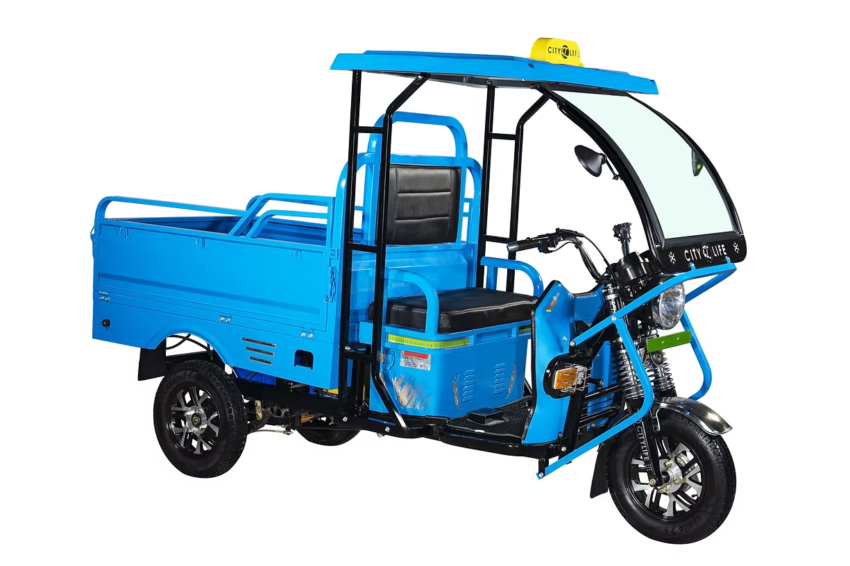
The rapid growth of cities and local businesses has created a strong demand for affordable, efficient, and eco-friendly goods transport. This is where the electric loader rickshaw is changing the game. Designed to handle short-distance cargo movement with ease, this vehicle has become an essential part of urban and semi-urban logistics. From small shop owners to large distributors, many businesses are now switching to the electric loading rickshaw for its low running cost and sustainable performance.
What Is an Electric Loader Rickshaw?
An electric loader rickshaw is a battery-powered three-wheeler specifically built to carry goods rather than passengers. Unlike traditional fuel-based loaders, it runs entirely on electricity, producing zero tailpipe emissions. Its compact size makes it ideal for narrow streets, crowded markets, and last-mile delivery operations. With rising fuel prices and stricter emission norms, the shift toward electric alternatives is no longer optional—it’s practical.
Why Electric Loader Rickshaw Are Gaining Popularity – City Life EV
One of the biggest reasons behind the growing adoption of electric loader rickshaw is their cost efficiency. Charging an electric vehicle costs significantly less than refueling with petrol or diesel. Maintenance expenses are also lower because electric motors have fewer moving parts, reducing wear and tear.
Another major advantage is environmental sustainability. Since an electric rickshaw loader does not emit harmful gases, it helps reduce air pollution and noise levels in busy commercial areas. For businesses that want to adopt greener practices, this vehicle fits perfectly into long-term sustainability goals.
Strong Performance for Daily Business Needs
Modern e loader rickshaw are built with powerful motors and robust chassis to handle heavy loads. Depending on the model, they can carry goods ranging from groceries and construction materials to e-commerce parcels and industrial supplies. With improved battery technology, many models now offer longer range and faster charging times, ensuring uninterrupted daily operations.
Their simple design also makes them easy to drive, even for operators with minimal driving experience. This reduces training time and helps businesses scale their delivery operations quickly.
Ideal for Multiple Industries
The versatility of the electric loading rickshaw makes it suitable for a wide range of industries. Retailers use it for local deliveries, farmers rely on it to transport produce, and manufacturers use it to move raw materials within city limits. In the booming e-commerce sector, electric e rickshaw loader are becoming a preferred choice for last-mile delivery due to their efficiency and reliability.
Government Support and Future Potential
In many regions, governments are actively promoting electric vehicles through subsidies, tax benefits, and relaxed registration norms. These incentives make owning an electric loader rickshaw even more affordable. As charging infrastructure continues to improve, the future of electric cargo transport looks extremely promising.
With increasing awareness about climate change and rising operational costs, businesses are expected to move further toward electric mobility solutions. The e loading rickshaw is not just a trend—it’s a long-term investment in smarter logistics.
Conclusion
The electric loader rickshaw has emerged as a practical, economical, and eco-friendly alternative to traditional goods carriers. With low operating costs, reliable performance, and wide usability across industries, the electric loading rickshaw is redefining how goods are transported in urban and semi-urban areas. For businesses looking to cut costs while supporting sustainable transport, investing in an electric loader rickshaw is a smart move toward the future.