
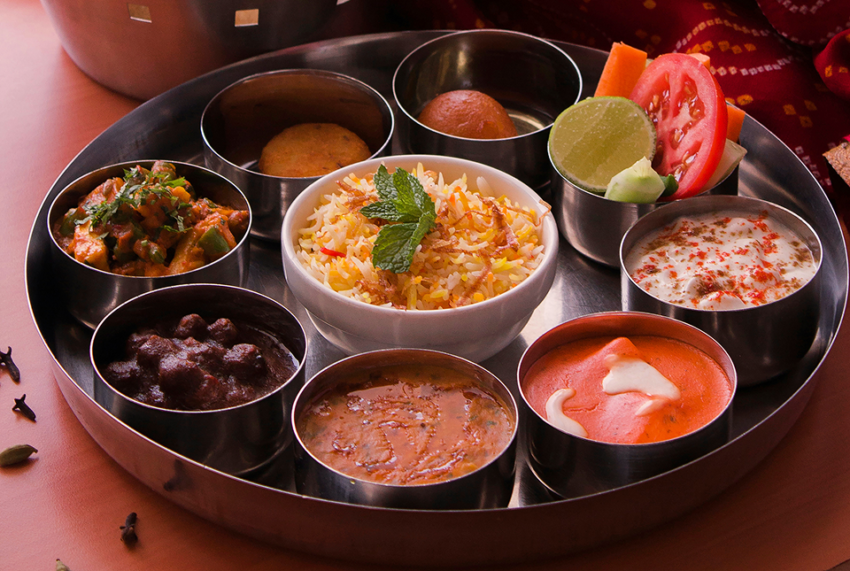
Dhol and Soul in Eindhoven has built its reputation on one thing: authentic Indian specialties. Not simplified versions. Not dishes adjusted for casual diners. Not fusion experiments. Just real Indian food prepared the way it’s supposed to be prepared. The restaurant celebrates regional specialties from across India. Dishes that tell stories about where they come from. Recipes that have been refined over generations. Cooking techniques that demand skill and patience. That commitment to authenticity means every specialty on the menu serves a purpose. Each dish represents a specific aspect of indian takeaway eindhoven. Being in Eindhoven makes these specialties accessible to people who might otherwise have to travel to find them. The restaurant brings India’s culinary diversity to the city without compromise.
Most restaurants serve generic versions of specialties. Dhol and Soul serves the real thing. That difference matters more than it sounds when you actually taste it.
Understanding What Makes a Dish a Specialty
A specialty isn’t just a popular dish. A specialty is a product or service specific to a region or tradition. Something that requires particular knowledge to prepare properly. Something that tells you about where it comes from.
Kerala Fish Curry is a specialty of Kerala’s coastal tradition. Coconut and tamarind define it. That’s not a choice. That’s the tradition. Serving it any other way would be serving something else.
Laal Maas is a specialty from Rajasthan, featuring a distinct spice profile. Slow-cooked lamb. Bold flavors. That preparation defines the dish. Change it, and you lose what makes it special.
The Banarasi Chaat is a specialty because it originates from a specific city and employs specific street-food techniques. Deep-fried potato patties. Yogurt. Tamarind chutney. Spices. That combination exists because it works together in ways that other combinations don’t.
When a restaurant respects those distinctions, you taste specialties. When a restaurant ignores them and just makes curry, you taste generic food.
The Regional Specialties That Define the Menu
Dhol and Soul organizes the menu by region. That organization matters because it teaches you that Indian food isn’t monolithic. North Indian specialties differ from South Indian. East from West. Coastal from landlocked.
North Indian specialties tend toward cream and butter. Tandoori preparations. Breads. That’s the tradition because the region developed around the ingredients and climate.
South Indian specialties use more coconut. More rice. Different spice combinations. That’s the tradition because that’s what worked in that climate with those available ingredients.
East Indian specialties use mustard oil and different spicing. West Indian specialties are different still. By serving specialties from different regions, the restaurant shows that Indian food is actually diverse rather than uniform.
The Tandoori Specialties and What They Represent
Tandoori cooking is a specialty itself. It requires a tandoor. It requires knowledge of how to use that oven. It requires understanding how different items cook differently inside it.
The Tandoori Lasooni Prawn is a specialty because it combines tandoori technique with specific preparation. Garlic. Spices. Correct timing. The result tastes like nothing else. The smokiness. The char. The flavors that develop from the cooking method itself.
The Tandoori Chicken gets prepared differently. The meat is larger. The timing is different. The marinade preparation might vary. However, the technique adheres to the same principles. Temperature control. Understanding what the meat needs. Executing properly.
That consistency of approach across different tandoori dishes demonstrates that the kitchen understands the specialty. They’re not just putting different things in an oven. They’re preparing each item specifically for optimal cooking.
The Curry Specialties That Take Time
Some specialties exist because they require patience. The Laal Maas is slow-cooked for hours. During that time, the meat becomes tender. The sauce thickens and concentrates. Flavors develop and marry together.
That time investment can’t be rushed. A restaurant serving Laal Maas quickly is serving something else. The specialty requires patience. Without it, you lose the dish.
The same applies to other slow-cooked specialties. Certain lentil curries. Certain lamb preparations. These dishes earn their reputation through proper technique, including precise timing.
That commitment to time separates restaurants that respect specialties from those that just serve curry.
The Street Food Specialties and Cultural Significance
Street food represents how ordinary Indians eat. Not special occasion food. Not refined dining food. Just what people buy and eat on the streets in different cities.
The Banarasi Chaat represents street food from Banaras. The Punjabi snacks represent what people eat in Punjab. Each specialty holds cultural significance because it reflects how people in that region eat.
Serving street food as specialty acknowledges that specialties don’t have to be fancy. They just have to be authentic. They just have to represent something real.
The Vegetarian Specialties and Equal Respect
Vegetarian food in Indian tradition isn’t an afterthought. It’s a developed culinary tradition with its own specialties. The Malai Kofta is a specialty vegetarian preparation. The Aloo Gobhi Paneer combines vegetables and cheese in specific ways.
The lentil specialties are simple but represent centuries of refined cooking. Dal Makhani slow cooked with cream and butter. That simplicity hides the technique required to do it properly.
By serving vegetarian specialties with the same respect as meat dishes, the restaurant acknowledges that Indian vegetarian traditions are legitimate culinary traditions, not compromises.
The Bread Specialties and Their Variety
Bread isn’t just bread in Indian cuisine. Different breads serve different purposes. Different regions make different breads.
The Tandoori Naan is baked in a clay oven. That cooking method creates specific texture. The Laccha Paratha is a layered flatbread from another tradition. The Roti is simple unleavened bread. The Puri is deep fried bread.
Each specialty bread exists because a tradition developed it. Serving them all respects that diversity. It shows the kitchen understands bread isn’t just a vehicle for curry. It’s a specialty itself.
How Specialties Require Knowledge and Skill
Serving specialties means the kitchen needs to know what each dish is. Where it comes from. How it’s supposed to be prepared. What makes it special?
That knowledge can’t be faked. You either understand Indian culinary traditions or you don’t. The team at Dhol and Soul clearly understands because every specialty tastes authentic.
That understanding comes from training. From experience. From actually caring about Indian cooking. From being willing to research and learn, and refine technique.
The Ayurvedic Approach to Specialties
Some menu items incorporate Ayurvedic principles. Thalis designed according to doshas. Dishes that balance different energies according to ancient Indian philosophy.
That approach shows the restaurant considers food beyond taste. It considers how food affects the body. How different ingredients work together to create balance.
That perspective represents another layer of Indian culinary tradition. Not just taste. But wellness. Philosophy. Understanding that food is medicine.
Why Authenticity in Specialties Matters
When you taste an authentic specialty, you taste something real. Something that represents a tradition. Something that connects you to a place and a people.
That connection matters because it transforms eating from consumption to experience. Your not just filling your stomach. Your tasting history. Your participating in a tradition.
Dhol and Soul makes that possible by refusing to compromise on authenticity. Every specialty on the menu represents something real. Every dish honors its tradition.