
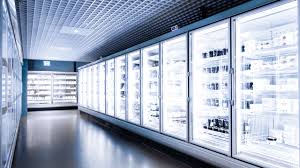
Commercial refrigeration plays a critical role in today’s food, hospitality, healthcare, and retail sectors. From preserving perishable goods to ensuring food safety and regulatory compliance, reliable refrigeration systems are essential for businesses that depend on temperature-controlled storage. As industries evolve, commercial refrigeration technology continues to advance, offering greater efficiency, sustainability, and performance.
What Is Commercial Refrigeration?
Commercial refrigeration refers to large-scale cooling systems designed for business and industrial use. Unlike domestic refrigerators, these systems are built to handle higher capacities, continuous operation, and strict temperature control. They are commonly used in supermarkets, restaurants, cold storage facilities, hotels, pharmaceutical companies, and food processing plants.
These systems include walk-in coolers, freezers, display cases, refrigerated cabinets, blast chillers, and cold rooms. Each type is engineered to meet specific storage and operational requirements while maintaining product quality and safety.
Importance of Commercial Refrigeration for Businesses
One of the primary reasons businesses invest in high-quality commercial refrigeration is food safety. Proper temperature control helps prevent bacterial growth, reduces spoilage, and ensures compliance with health regulations. In industries such as food service and pharmaceuticals, even minor temperature fluctuations can lead to product loss or serious safety concerns.
Additionally, commercial refrigeration improves operational efficiency. Well-designed systems allow for organized storage, easy access to products, and consistent cooling performance. This leads to reduced waste, better inventory management, and increased profitability.
Key Types of Commercial Refrigeration Systems
There are several types of commercial refrigeration systems, each serving different purposes:
Walk-in Coolers and Freezers
Ideal for restaurants, hotels, and food distributors, walk-in units provide large storage capacity and customizable temperature settings.
Display Refrigeration Units
Commonly used in supermarkets and retail stores, these units showcase products while maintaining optimal temperatures to attract customers and boost sales.
Cold Rooms
Cold rooms are widely used in warehouses, food processing plants, and logistics centers. They offer precise temperature control for bulk storage of perishable goods.
Blast Chillers and Freezers
These systems rapidly reduce food temperatures, preserving freshness, texture, and nutritional value while meeting food safety standards.
Energy Efficiency and Sustainability
Energy consumption is a major concern in commercial refrigeration, as these systems often operate 24/7. Modern refrigeration solutions focus heavily on energy efficiency to reduce operating costs and environmental impact. High-efficiency compressors, advanced insulation, LED lighting, and smart control systems all contribute to lower energy usage.
Sustainability is also driving the adoption of eco-friendly refrigerants with low global warming potential. Many businesses are transitioning to greener solutions to meet environmental regulations and corporate sustainability goals while maintaining reliable cooling performance.
Smart Technology in Commercial Refrigeration
The integration of smart technology has transformed commercial refrigeration systems. Digital temperature controllers, remote monitoring, and automated alerts allow businesses to track performance in real time. These features help detect issues early, prevent breakdowns, and reduce maintenance costs.
Internet-connected systems also enable predictive maintenance, minimizing downtime and extending equipment lifespan. For businesses that rely heavily on refrigeration, these innovations offer both peace of mind and long-term savings.
Choosing the Right Commercial Refrigeration System
Selecting the right commercial refrigeration system depends on several factors, including business size, industry requirements, available space, and budget. Temperature range, storage capacity, energy efficiency ratings, and ease of maintenance should all be carefully considered.
It is also important to work with experienced suppliers and technicians who can recommend customized solutions. Proper installation and regular servicing are essential to ensure optimal performance and compliance with safety standards.
Maintenance and Long-Term Performance
Regular maintenance is crucial for keeping commercial refrigeration systems running efficiently. Routine inspections, cleaning of condensers, checking refrigerant levels, and monitoring temperature consistency help prevent costly repairs and unexpected failures.
Preventive maintenance not only extends the lifespan of equipment but also ensures consistent cooling, reduced energy consumption, and uninterrupted business operations. Many companies opt for annual maintenance contracts to maintain reliability and control costs.
Future Trends in Commercial Refrigeration
The future of commercial refrigeration is shaped by innovation, sustainability, and automation. Advancements in artificial intelligence, natural refrigerants, and energy-optimized designs are redefining how businesses manage cold storage.
As regulations become stricter and energy costs rise, demand for high-performance, eco-friendly refrigeration systems will continue to grow. Businesses that invest in modern commercial refrigeration solutions today will be better positioned for long-term success.
Conclusion
Commercial refrigeration is more than just cooling equipment—it is a vital infrastructure that supports food safety, efficiency, and profitability across multiple industries. With advancements in technology, energy efficiency, and smart controls, modern refrigeration systems offer reliable performance while reducing operational costs and environmental impact.
By choosing the right commercial refrigeration solution and prioritizing proper maintenance, businesses can ensure product quality, regulatory compliance, and sustainable growth in an increasingly competitive market.