
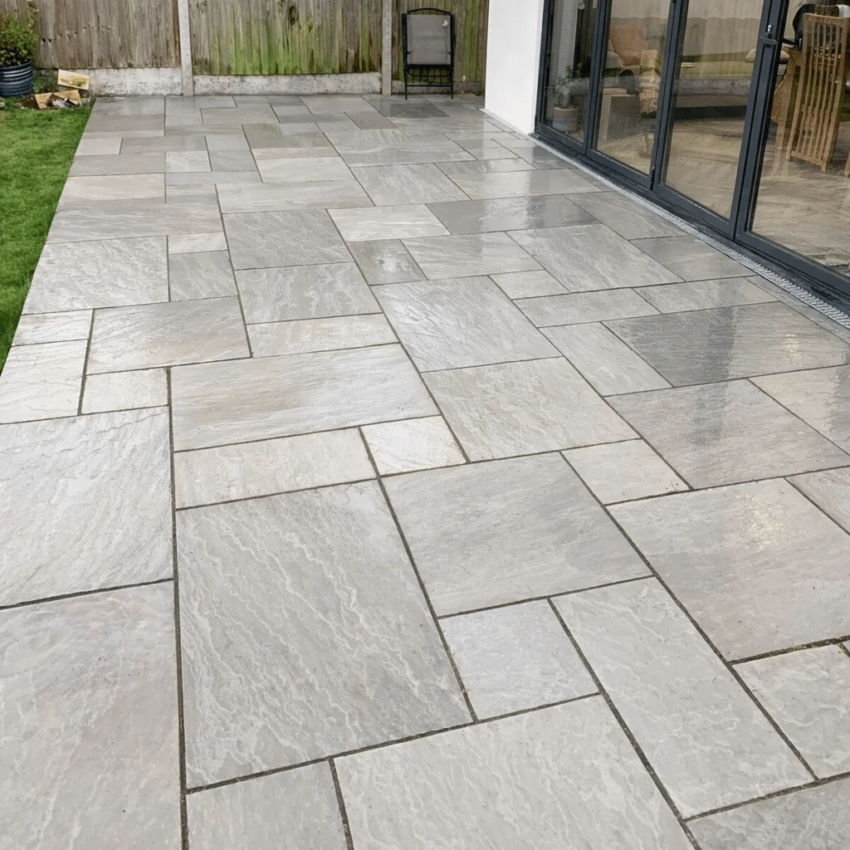
Indian Sandstone has become one of the most reliable choices for UK gardens, patios, and driveways. Its natural character, strength, and weather resistance make it ideal for homeowners who want paving that lasts without losing its visual appeal. From choosing the right finish to installing it correctly and keeping it in prime condition, understanding the full process ensures your outdoor space performs beautifully for years.
Choosing the Right Indian Sandstone for Your Project
Selecting the right Indian Sandstone starts with understanding how the space will be used. Patios designed for entertaining require a surface that balances durability with visual appeal. Driveways demand additional structural strength. Garden pathways benefit from slip resistance and texture.
Kandla Grey Indian Sandstone is one of the most popular options because of its balanced mid-grey tones and adaptability. It complements contemporary homes while also blending seamlessly with classic brick or stone properties. The subtle colour variation helps conceal minor dirt and wear, making it a practical option for busy outdoor spaces.
When reviewing Paving Slabs, consider these factors carefully:
Thickness
For patios, a calibrated thickness of around 20–22mm is typically sufficient. Driveways require thicker slabs to support vehicle loads safely.
Finish
Natural riven finishes offer texture and grip, while honed and sawn options provide a smoother, more contemporary look. Tumbled finishes soften edges for a traditional feel.
Size and layout
Large-format Paving Slabs create a clean, modern aesthetic. Mixed-size patio packs introduce movement and interest across the surface.
Quality
Always choose high-grade Indian Sandstone from a reputable supplier to ensure consistency in thickness, strength, and colour.
Preparing the Ground Before Laying Paving Slabs
Proper preparation is the foundation of a long-lasting Indian Sandstone installation. Cutting corners at this stage often leads to uneven surfaces or movement over time.
Start by excavating the area to an appropriate depth. For patios, this usually means removing soil to allow space for a sub-base and bedding layer. A compacted MOT Type 1 sub-base creates a stable foundation. Without this support, even the strongest Paving Slabs may shift.
After compacting the sub-base thoroughly, apply a sharp sand or mortar bed depending on the installation method. For most Indian Sandstone projects, a full mortar bed is recommended to ensure each slab is fully supported.
Drainage is critical. Always create a slight fall away from buildings to prevent water pooling. Indian Sandstone is durable, but proper drainage enhances longevity and reduces staining.
Laying Indian Sandstone Correctly
When laying Kandla Grey Indian Sandstone or any other Indian Sandstone variety, consistency and precision matter.
Begin by dry-laying the Paving Slabs to determine the best arrangement. Natural stone varies in tone, so blending slabs from multiple packs helps distribute colour evenly across the area.
Apply a priming slurry to the underside of each slab before placing it onto the mortar bed. This strengthens adhesion and reduces the risk of future movement.
Carefully tap each slab into place using a rubber mallet and spirit level to maintain alignment. Consistent joint spacing enhances both stability and visual appeal. Once laid, allow sufficient curing time before walking on the surface.
Jointing compounds or mortar can then be applied to seal gaps securely. Proper jointing prevents weed growth and water penetration, extending the life of your Indian Sandstone paving.
Maintaining Indian Sandstone for Long-Term Performance
One of the key advantages of Indian Sandstone is its low maintenance requirements. However, a few simple steps will preserve its appearance and structural integrity.
Regular sweeping prevents debris build-up. Occasional washing with clean water removes surface dirt. For deeper cleaning, use a mild stone-safe cleaner rather than harsh chemicals.
Kandla Grey Indian Sandstone naturally resists frost and weathering, but applying a breathable sealant can enhance stain resistance, particularly in high-traffic areas or outdoor dining spaces. Sealing is optional but beneficial for maintaining colour vibrancy.
Avoid pressure washing at extremely high settings, as this can damage the natural surface texture of Paving Slabs. Gentle cleaning preserves the stone’s character.
Inspect joints annually to ensure they remain intact. Repointing small sections when needed prevents moisture penetration and maintains stability.
Why Kandla Grey Indian Sandstone Stands Out
Among the many options available, Kandla Grey Indian Sandstone continues to dominate UK landscaping trends. Its neutral grey palette complements timber decking, brick walls, modern render finishes, and lush greenery.
Beyond aesthetics, it offers practical advantages. Its natural riven surface provides grip during wet conditions, making it suitable for patios and pathways. As a dense form of Indian Sandstone, it withstands British winters without cracking under frost.
For homeowners seeking a cohesive design, matching edging, setts, and steps in the same stone create a unified outdoor layout.