
Introduction
Rice is more than just a staple food — it is the heart of countless traditional meals. From aromatic biryani to comforting steamed rice served with dal or curry, the quality of rice you choose makes a noticeable difference in taste, texture, and overall dining experience. Among all varieties, basmati rice stands out for its long grains, distinctive fragrance, and superior cooking performance.
However, not all basmati rice available in the market can truly be called the Best Basmati Rice. With so many brands and options available, selecting premium-quality rice can feel overwhelming. That’s why understanding the essential qualities of high-grade basmati rice is crucial.
At Gautam, we believe that informed buyers make better choices. This comprehensive guide will help you understand exactly what to look for when choosing the Best Basmati Rice for your kitchen, restaurant, or business.
1. Extra-Long Grain Length
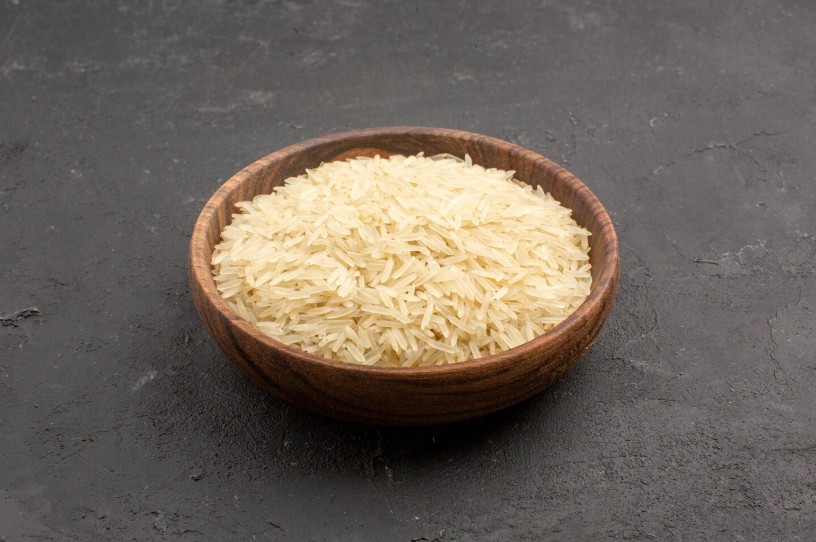
One of the first indicators of the Best Basmati Rice is its grain length. Premium basmati rice is known for its long, slender grains. When cooked, these grains elongate even further without becoming sticky.
High-quality basmati rice typically measures:
-
6.5 mm to 8.5 mm in length (uncooked)
-
Expands almost double in size after cooking
Long grains not only enhance presentation but also ensure a fluffy texture. Whether you are preparing biryani or pulao, the length of the grain adds elegance and visual appeal to your dish.
2. Distinct Natural Aroma
The signature feature of the Best Basmati Rice is its fragrance. The word “Basmati” itself means “fragrant.” Authentic basmati rice has a naturally sweet, nutty aroma even before cooking.
This aroma becomes stronger once the rice is cooked. If the rice lacks fragrance, it may be:
-
Mixed with inferior varieties
-
Poorly processed
-
Not genuine basmati
A strong, pleasant aroma is a non-negotiable quality of the Best Basmati Rice.
3. Proper Aging Process
Aging plays a vital role in determining rice quality. The Best Basmati Rice is typically aged for 12 to 24 months before reaching the market.
Why is aging important?
-
Reduces moisture content
-
Enhances aroma
-
Improves elongation during cooking
-
Makes grains separate easily
Freshly harvested rice contains higher moisture, which may result in sticky or clumpy rice. Properly aged basmati rice cooks better and tastes superior.
4. Non-Sticky Texture After Cooking
Texture is everything when it comes to basmati rice. The Best Basmati Rice should cook into separate, fluffy grains — not clumps.
Good basmati rice:
-
Does not stick together
-
Remains light and airy
-
Has a soft but firm bite
This quality is especially important for dishes like biryani, where individual grains should remain intact and separate.
5. Uniform Grain Size and Appearance
When evaluating basmati rice, always look at the grains closely. The Best Basmati Rice has:
-
Uniform grain size
-
Minimal broken grains
-
Clean, polished appearance
-
No discoloration
Inconsistent grain size may indicate poor grading or mixing with other rice varieties. Uniformity reflects quality control and premium standards.
6. Minimal Broken Grains
Broken grains reduce both presentation and cooking quality. High-quality basmati rice contains very few broken pieces.
The Best Basmati Rice typically contains:
-
Less than 2–5% broken grains
Excessive broken rice can:
-
Affect texture
-
Lead to uneven cooking
-
Reduce the overall premium feel
Always check the packaging details to ensure low broken percentage.
7. High Purity and No Adulteration
Unfortunately, some sellers mix inferior rice varieties with basmati to reduce costs. The Best Basmati Rice must be 100% pure.
Check for:
-
Certification marks
-
Clear labeling
-
Trusted brand reputation
Purity ensures you get authentic taste, aroma, and performance.
8. Excellent Water Absorption Capacity
Premium basmati rice absorbs water efficiently during cooking. The Best Basmati Rice requires proper soaking and expands beautifully.
Good water absorption means:
-
Better elongation
-
Even cooking
-
Enhanced flavor infusion
Poor-quality rice may either absorb too much water and become mushy or too little and remain hard.
9. Strong Cooking Performance
Cooking performance is a key factor when selecting the Best Basmati Rice.
After cooking, it should:
-
Double in length
-
Remain fluffy
-
Retain shape
-
Deliver rich aroma
Professional chefs often test rice by cooking small samples before bulk purchases. Consistent performance across batches indicates high quality.
10. Nutritional Value
While taste and texture matter, nutrition is equally important. The Best Basmati Rice contains:
-
Essential carbohydrates
-
Low to moderate glycemic index
-
Minimal fat content
-
Trace minerals
Brown basmati rice offers even higher fiber content, making it suitable for health-conscious consumers.
11. Packaging Quality
Proper packaging protects rice from moisture, insects, and contamination. The Best Basmati Rice should come in:
-
Airtight packaging
-
Moisture-resistant bags
-
Clearly labeled details
Packaging ensures the rice retains freshness and aroma until it reaches your kitchen.
12. Origin Matters
Authentic basmati rice is traditionally grown in specific regions known for ideal soil and climate conditions.
The Best Basmati Rice often originates from areas where:
-
Climate supports long-grain growth
-
Soil enhances fragrance
-
Traditional farming methods are practiced
Origin plays a significant role in maintaining quality standards.
13. Easy Digestibility
High-quality basmati rice is light on the stomach. Proper aging improves digestibility, making the Best Basmati Rice suitable for everyday meals.
It is often preferred for:
-
Family meals
-
Festive dishes
-
Large gatherings
14. Brand Reputation and Trust
When choosing the Best Basmati Rice, always consider the brand’s reputation. Established brands maintain strict quality control, hygiene standards, and transparency.
At Gautam, quality and consistency are our priority. We understand that rice is not just food — it is a part of your traditions and celebrations.
15. Value for Money
The Best Basmati Rice may not always be the cheapest option, but it offers better value in terms of:
-
Superior taste
-
Better cooking yield
-
Enhanced presentation
-
Customer satisfaction
Investing in premium quality ensures better results and fewer disappointments.
How to Test Basmati Rice at Home
Here are quick checks to identify the Best Basmati Rice:
-
Rub grains between your fingers – feel the firmness.
-
Smell the rice – it should have a pleasant fragrance.
-
Soak a small portion – observe elongation.
-
Cook a sample – check fluffiness and separation.
These simple tests help you identify premium rice before making bulk purchases.
Why Choosing the Best Basmati Rice Matters
Choosing the Best Basmati Rice impacts:
-
Taste of your dishes
-
Guest satisfaction
-
Brand reputation (for restaurants and caterers)
-
Overall cooking experience
A single ingredient can transform an ordinary dish into something extraordinary.
Conclusion
Selecting the Best Basmati Rice requires attention to detail. From extra-long grain length and rich aroma to proper aging and non-sticky texture, every characteristic contributes to quality. Understanding these qualities empowers you to make confident purchasing decisions.
At Gautam, we believe that exceptional meals begin with exceptional ingredients. By focusing on purity, aging, grain length, aroma, and cooking performance, you can ensure that every dish you prepare delivers authentic flavor and premium quality.
How to Choose Between New and Aged Rice: A Guide for UAE Kitchens. The Best Basmati Rice is not just about appearance — it is about consistency, trust, and culinary excellence. Choose wisely, cook passionately, and let every grain tell a story of quality and tradition.