
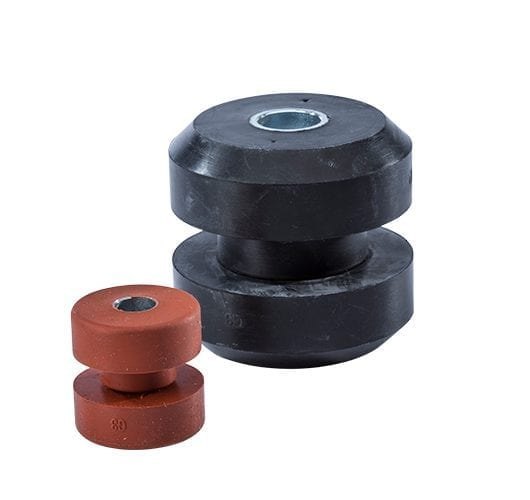
Modern industry is built on speed, precision, and reliability. Machines run faster, production lines operate longer, and tolerance for downtime is lower than ever. In this environment, vibration is no longer a minor inconvenience. It is a serious operational risk. Anti vibration mounts have become a critical component in industrial systems, helping businesses protect equipment, improve performance, and meet increasingly strict standards.
In today’s industrial landscape, controlling vibration is not just good practice. It is essential.
Understanding Vibration in Industrial Environments
Vibration is a natural result of moving parts, rotating equipment, and mechanical forces. Motors, pumps, compressors, fans, and heavy machinery all generate vibration during normal operation. While some level of movement is unavoidable, uncontrolled vibration can quickly become destructive.
Over time, vibration loosens fasteners, damages bearings, causes metal fatigue, and affects alignment. It also creates noise that impacts worker comfort and surrounding environments. In modern industry, where equipment is often expected to operate continuously, these effects accumulate faster than many teams realise.
Anti vibration mounts act as a barrier between the source of vibration and the surrounding structure, absorbing and dissipating energy before it causes harm.
Protecting Machinery and Extending Equipment Life
One of the most important reasons anti vibration mounts are critical is their role in protecting machinery. Excessive vibration accelerates wear and tear, leading to frequent breakdowns and costly repairs.
By isolating machines from their foundations or frames, vibration mounts reduce stress on components. Bearings last longer, shafts remain aligned, and structural parts experience less fatigue. This directly extends the lifespan of equipment and reduces the frequency of unplanned maintenance.
In modern industry, where capital investment in machinery is high, extending asset life is a major financial advantage. Vibration isolation is one of the most cost-effective ways to achieve this.
Improving Operational Accuracy and Performance
Precision matters more than ever in today’s industrial processes. Automated production lines, CNC machines, and robotic systems all rely on stable operating conditions to deliver consistent results.
Vibration interferes with accuracy. Even small movements can affect cutting precision, measurement reliability, and product quality. In industries such as manufacturing, electronics, and pharmaceuticals, this can lead to rejected products and wasted materials.
Anti vibration mounts help create a stable platform for sensitive equipment. By minimising unwanted movement, they allow machines to operate within their intended tolerances, improving overall performance and consistency.
Enhancing Workplace Safety and Comfort
Industrial vibration does not only affect machines. It also affects people. Prolonged exposure to vibration and noise can cause discomfort, fatigue, and long-term health issues for workers.
Modern health and safety regulations place increasing emphasis on reducing noise and vibration in the workplace. Anti vibration mounts help address both issues by limiting the transfer of mechanical energy into floors, platforms, and workstations.
A quieter and more stable working environment improves concentration and reduces the risk of accidents. In 2026 and beyond, employee wellbeing is a key consideration for responsible industrial operations, making vibration control a vital part of workplace design.
Meeting Noise and Environmental Regulations
Noise pollution is a growing concern, particularly in urban and mixed-use areas. Industrial facilities are often required to meet strict noise limits to avoid disturbing nearby communities.
Vibration is a major contributor to noise transmission, especially through building structures. When machines are rigidly fixed, vibration travels easily into walls, floors, and surrounding systems, amplifying sound.
Anti vibration mounts reduce structure-borne noise by isolating equipment from its surroundings. This helps facilities comply with environmental regulations and avoid complaints, fines, or operational restrictions.
As regulations continue to tighten, vibration isolation is becoming a standard requirement rather than an optional upgrade.
Supporting Modern Automation and Smart Systems
Modern industry is increasingly automated. Smart factories rely on interconnected machines, sensors, and control systems that must operate in harmony.
Vibration can disrupt sensor readings, affect data accuracy, and interfere with automated processes. In highly connected environments, a single unstable machine can impact an entire production line.
Anti vibration mounts play a key role in supporting automation by ensuring stable operating conditions. This stability allows smart systems to function as designed, improving efficiency and reducing the risk of system-wide disruptions.
Many facilities now involve Anti Vibration Mounts Suppliers early in the planning stage to ensure vibration control is built into automated systems from the start rather than added later as a corrective measure.
Adapting to Diverse Industrial Applications
Modern industry is incredibly diverse. Equipment operates in factories, power plants, data centres, transport hubs, and processing facilities, each with unique demands.
Anti vibration mounts are adaptable solutions that can be tailored to different loads, frequencies, and environmental conditions. From heavy-duty machinery to sensitive electronic systems, vibration isolation can be customised to suit specific applications.
Materials play an important role here. Solutions such as Industrial Rubber Mounts offer a balance of strength, flexibility, and durability, making them suitable for a wide range of industrial uses where consistent performance is required.
The Role of Rubber-Based Vibration Isolation
Rubber remains one of the most effective materials for vibration control due to its natural damping properties. It absorbs energy efficiently and returns to its original shape without permanent deformation.
In modern industry, Rubber Anti Vibration Mounts are widely used because they combine vibration isolation with load-bearing capability. They perform well under continuous operation and can handle variations in temperature and mechanical stress.
These mounts are especially valuable in applications where space is limited and reliability is critical. Their versatility makes them a cornerstone of industrial vibration control strategies.
Why Anti Vibration Mounts Are No Longer Optional
The industrial world has changed. Equipment is more powerful, processes are more precise, and expectations are higher. In this context, ignoring vibration control is no longer an option.
Anti vibration mounts protect machinery, improve accuracy, enhance safety, and support regulatory compliance. They also contribute to sustainability by reducing waste, extending equipment life, and lowering energy losses caused by inefficiency.
In modern industry, vibration isolation is not just about solving problems. It is about designing systems that perform better from day one. Companies that recognise this and invest in proper vibration control are better prepared to compete, adapt, and grow in an increasingly demanding industrial landscape.