
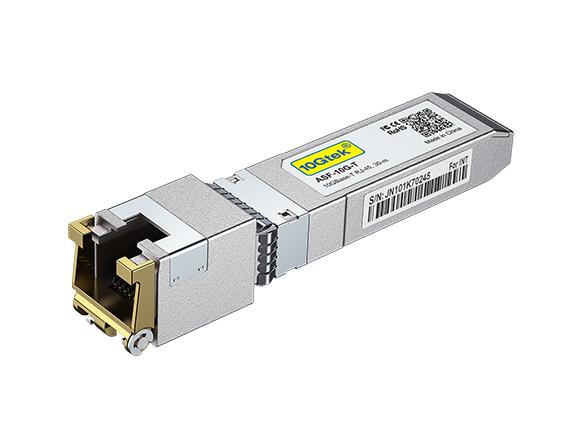
In today’s digital world, fast and reliable communication is essential for every organization and individual. One of the most important components that makes modern communication possible is the transceiver. In IT hardware and computer hardware, a transceiver plays a crucial role in transmitting and receiving data signals across networks.
A transceiver is a device that combines both a transmitter and a receiver into a single unit. It allows systems to send and receive data efficiently using wired or wireless connections. From data centers and enterprise networks to personal computers and internet routers, transceivers are widely used in modern technology.
As digital communication continues to grow, the demand for advanced transceivers in computer hardware and IT hardware systems is increasing. Understanding how transceivers work and where they are used helps users make better decisions when designing or upgrading network infrastructure.
What is a Transceiver?
A transceiver is a communication device that can both transmit and receive signals. In networking and computer hardware, transceivers convert electrical signals into optical or radio signals and then convert them back into electrical form at the receiving end.
In simple terms, a transceiver allows two devices to communicate with each other. Without transceivers, data transmission over long distances would not be possible. These devices are commonly found in network switches, routers, servers, and wireless systems within IT hardware environments.
Modern transceivers are compact, efficient, and capable of handling high-speed data transmission. They support various network standards and help maintain stable and secure communication channels.
Types of Transceivers
Optical Transceivers
Optical transceivers are widely used in fiber-optic networks. These transceivers convert electrical signals into light signals for transmission through optical fibers. At the receiving end, they convert light signals back into electrical form.
Optical transceivers are essential in data centers, telecom networks, and enterprise IT hardware systems. They support high-speed communication and long-distance data transfer with minimal signal loss.
Electrical Transceivers
Electrical transceivers use copper cables to transmit data signals. These are commonly used in local area networks (LANs) and traditional Ethernet systems.
In computer hardware, electrical transceivers are cost-effective and suitable for short-distance communication. They are often found in office networks and home networking setups.
Wireless Transceivers
Wireless transceivers transmit and receive data using radio waves. These are used in Wi-Fi routers, Bluetooth devices, and mobile communication systems.
Wireless transceivers are an important part of modern IT hardware, enabling mobility and remote connectivity without physical cables.
Radio Frequency (RF) Transceivers
RF transceivers operate at specific radio frequencies and are used in satellite communication, mobile networks, and IoT devices.
These transceivers play a key role in wireless communication systems and smart technologies.
How Transceivers Work in Computer Hardware
In computer hardware, transceivers act as communication bridges between devices. When data is sent, the transceiver converts digital information into a signal format suitable for transmission.
For example, in optical networks, the transceiver converts electrical data into light pulses. These pulses travel through fiber cables and are converted back into electrical signals at the destination.
Similarly, in wireless systems, transceivers convert digital data into radio signals. These signals are transmitted through the air and received by another transceiver, which decodes them.
This process ensures smooth, fast, and reliable communication in IT hardware systems.
Importance of Transceivers in IT Hardware
Transceivers are essential components in modern IT hardware infrastructure. They support high-speed networking, cloud computing, and data center operations. Without transceivers, large-scale data transmission would not be possible.
In enterprise environments, transceivers enable secure and stable connections between servers, switches, and storage systems. They help organizations manage large volumes of data efficiently.
For service providers, transceivers support internet connectivity, voice communication, and video streaming. Their reliability ensures uninterrupted digital services.
Role of Transceivers in Networking Systems
In networking, transceivers are used to connect different devices and network segments. They allow switches and routers to communicate with each other over various transmission media.
By using compatible transceivers, network administrators can expand network coverage and improve performance. This flexibility makes transceivers valuable components in computer hardware and network design.
Modern networks rely on high-speed transceivers to support cloud applications, video conferencing, and real-time data processing.
Benefits of Using Transceivers
High-Speed Data Transmission
Modern transceivers support high data transfer rates, enabling faster communication and reduced latency. This improves overall system performance in IT hardware environments.
Flexibility and Scalability
Transceivers allow networks to be easily expanded. By changing transceiver modules, organizations can upgrade their network without replacing entire systems.
Cost Efficiency
Using modular transceivers reduces hardware replacement costs. Organizations can upgrade only the required components, saving money on infrastructure upgrades.
Improved Reliability
High-quality transceivers offer stable connections and minimize signal loss. This ensures consistent network performance in computer hardware systems.
Transceivers in Data Centers
Data centers heavily depend on advanced transceivers to manage massive data traffic. Optical transceivers connect servers, switches, and storage systems within data centers.
High-speed transceivers support cloud computing, virtualization, and big data processing. They help data centers deliver fast and reliable services to users worldwide.
In modern IT hardware environments, data center transceivers are designed for energy efficiency and high durability.
Transceivers for Enterprise and Home Networks
In enterprise networks, transceivers ensure secure and fast communication between departments and branches. They support VPNs, cloud platforms, and internal servers.
For home users, wireless transceivers in routers and modems provide internet access and device connectivity. These transceivers are essential for smart homes, streaming services, and online gaming.
Both enterprise and home systems rely on transceivers as key components of computer hardware networks.
Maintenance and Reliability of Transceivers
Proper maintenance of transceivers improves their lifespan and performance. Regular inspections, firmware updates, and environmental control help prevent failures.
Dust, heat, and improper handling can damage transceivers. Using protective enclosures and proper cooling systems is important in IT hardware installations.
Monitoring tools can also help detect signal issues and performance drops, allowing early troubleshooting.
Future Trends in Transceiver Technology
Transceiver technology is evolving rapidly to meet the demands of modern networks. High-speed optical transceivers supporting 400G and 800G data rates are becoming common.
Artificial intelligence and automation are also being integrated into network systems to optimize transceiver performance.
Future computer hardware systems will rely on smart transceivers that can self-monitor, adapt to network conditions, and reduce power consumption.
These innovations will support next-generation technologies such as 5G, IoT, and edge computing.
Choosing the Right Transceiver
Selecting the right transceiver depends on network requirements and system compatibility. Important factors include:
-
Transmission distance
-
Data transfer speed
-
Interface type
-
Power consumption
-
Device compatibility
For short-distance networks, electrical transceivers may be sufficient. For long-distance or high-speed communication, optical transceivers are the best choice.
Choosing the correct transceiver ensures optimal performance in IT hardware and computer hardware environments.
Conclusion
In conclusion, a transceiver is a vital component of modern IT hardware and computer hardware systems. It enables reliable data transmission, supports high-speed networking, and ensures seamless communication across devices.
From data centers and enterprise networks to home internet systems and wireless devices, transceivers play a central role in digital connectivity. Understanding their types, functions, and benefits helps users build efficient and future-ready networks.
As technology continues to advance, transceivers will remain at the heart of communication systems, supporting faster, smarter, and more secure digital environments. Investing in high-quality transceivers is essential for achieving long-term performance and reliability in modern computing infrastructure.