
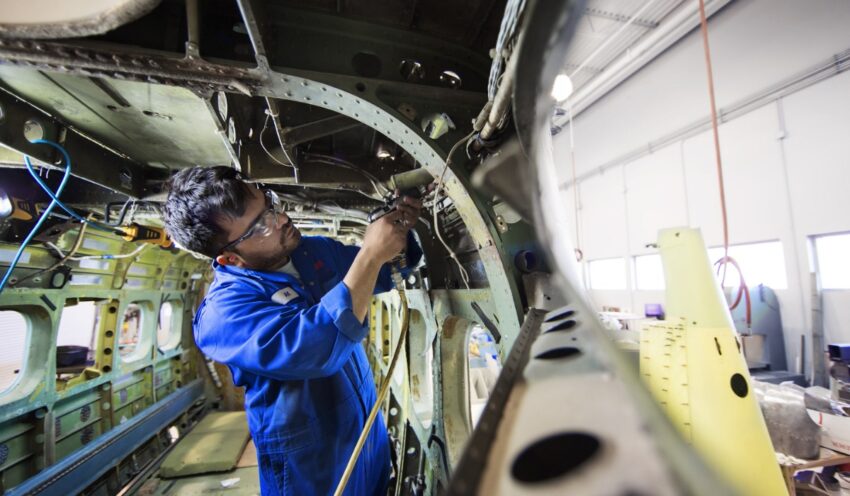
An Aviation Structure and Forensic Engineer in Modern Analysis Work focuses on evaluating complex structural systems with precision and accuracy. They analyze design performance, material behavior, and failure patterns to identify risks and improve safety. Their work supports reliable decision making in both technical investigations and long term structural planning.
Understanding Structural Engineering in Complex Environments
Structural engineering plays a vital role in maintaining the safety and performance of buildings, infrastructure, and specialized systems. Every structure is designed to handle loads, resist environmental forces, and remain stable over time. However, changing conditions, aging materials, and unexpected events can affect structural performance. When issues arise, engineers must carefully investigate and analyze the situation to determine the cause and develop reliable solutions.
Engineers begin by studying how structural systems function. Foundations, beams, columns, and connections all work together to distribute loads efficiently. If one component fails or weakens, it can impact the entire structure. Because of this, structural analysis requires a complete understanding of how each part contributes to overall stability.
An Aviation Structure and Forensic Engineer focuses on evaluating highly specialized structures that demand precision and strict safety standards. These professionals investigate structural performance in environments where even minor issues can have significant consequences. Their work includes reviewing design specifications, inspecting materials, and analyzing how forces affect structural components.
Structural Investigations and Analysis
When structural concerns arise, engineers follow a detailed investigation process. This begins with reviewing design documents, construction records, and maintenance history. These records help engineers understand how the structure was intended to perform and whether it was built according to plan.
Field inspections are a key part of the investigation. Engineers observe visible signs of distress such as cracks, deformation, corrosion, or settlement. These observations provide valuable clues about how the structure has responded to stress over time. By combining field data with technical analysis, engineers can develop a clear understanding of the problem.
Advanced tools are often used to support this analysis. Structural modeling and simulation allow engineers to study how loads move through a structure and identify potential weaknesses. These methods help ensure that the evaluation is accurate and comprehensive.
Professional firms such as Psengrinc provide support in these investigations by offering detailed analysis and technical expertise. Their work helps clients understand complex structural conditions and make informed decisions about repairs and improvements.
Understanding Structural Failures
Structural failures can occur due to a variety of factors, including design errors, construction issues, environmental conditions, or material fatigue. Identifying the exact cause requires a careful and systematic approach. Engineers must analyze both visible damage and underlying conditions to determine what went wrong.
A Structural Forensic Engineer specializes in investigating structural failures and identifying their causes. These professionals examine damage patterns, review construction practices, and evaluate material performance to understand how the issue developed. Their work helps create a clear explanation of the failure and supports effective repair strategies.
Forensic investigations often involve reconstructing the sequence of events that led to the problem. Engineers analyze data, inspect structural components, and use technical tools to develop a complete picture of the situation. This process ensures that the true cause is identified, rather than focusing only on surface level damage.
The findings from these investigations are valuable for a range of applications, including repair planning, insurance claims, and legal cases. Accurate analysis helps ensure that corrective actions address the root cause and prevent similar issues in the future.
Maintaining Structural Safety Over Time
Ensuring structural safety is an ongoing process. Buildings and infrastructure are exposed to changing conditions that can affect their performance. Regular inspections and maintenance are essential for identifying issues early and maintaining structural integrity.
Engineers assess structural components to ensure they continue to perform as intended. They evaluate load distribution, material condition, and structural connections to identify potential weaknesses. Early detection allows for timely repairs, reducing the risk of more serious damage.
Modern technology has improved the way structural performance is monitored. Sensors, digital modeling, and advanced testing methods provide detailed information about how structures behave under different conditions. These tools help engineers detect issues earlier and develop more effective solutions.
Despite these advancements, the core principles of structural engineering remain the same. Careful observation, sound analysis, and professional judgment are essential for accurate evaluation. Engineers must combine these elements to ensure reliable results.
Responding to Structural Emergencies
Unexpected events such as natural disasters, fires, or accidents can cause sudden structural damage. In these situations, immediate action is required to protect people and property. Engineers play a critical role in assessing damage and determining the level of risk.
An Emergency Response Structural Engineer is responsible for evaluating structures immediately after such events. These professionals inspect damaged buildings, identify safety hazards, and recommend immediate actions to stabilize the structure. Their work helps authorities make informed decisions about evacuation, access, and repairs.
Emergency evaluations often focus on critical structural elements such as columns, beams, and load bearing systems. Engineers look for signs of severe damage, including deformation, cracks, or compromised connections. These observations help determine whether the structure is safe or requires immediate intervention.
After the initial assessment, engineers develop plans for recovery and repair. These plans may involve reinforcing structural components, replacing damaged elements, or redesigning parts of the structure to improve resilience. The goal is to restore safety while minimizing future risks.
The Future of Structural Engineering
Structural engineering continues to evolve with the introduction of new materials, technologies, and design methods. Engineers must stay updated with these advancements to ensure that structures meet modern safety standards. Innovation is driving improvements in both construction and structural analysis.
As infrastructure becomes more complex, the need for skilled engineers will continue to grow. Their expertise is essential for understanding how structures behave and for developing solutions that ensure long term stability. Engineers play a key role in shaping safer and more reliable built environments.
Collaboration is also an important part of modern engineering. Engineers work with architects, contractors, and property owners to develop solutions that meet both technical and practical requirements. This teamwork helps ensure successful project outcomes.
Final Thoughts
Structural engineering is essential for maintaining safe and reliable buildings and infrastructure. From analyzing specialized systems to investigating failures and responding to emergencies, engineers provide valuable expertise in many situations.
Through careful investigation, accurate analysis, and clear communication, engineers help identify problems and develop effective solutions. Their work supports stronger structures, improved safety, and better decision making for the future.