
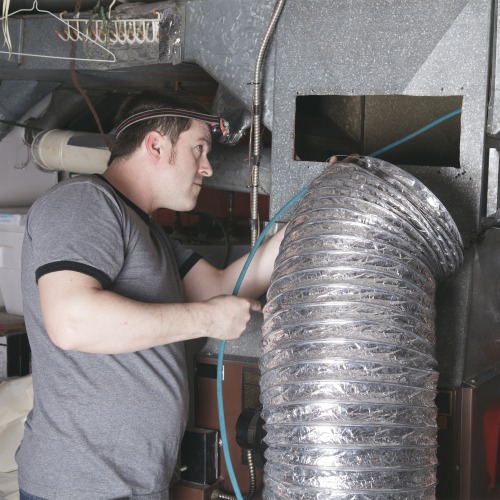
Maintaining indoor comfort throughout changing seasons is a priority for Australian households, particularly in regions where temperatures fluctuate significantly. Over time, heating systems can lose efficiency, making gas heating system replacement a practical consideration for homeowners seeking consistent performance and improved energy use. Older systems often struggle to maintain even temperatures, leading to higher running costs and reduced comfort levels.
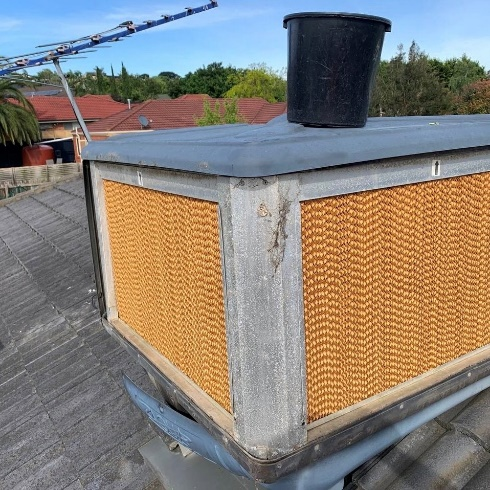
Cooling systems are equally important, especially during warmer months. When performance declines or systems become outdated, evap cooling replacement becomes necessary to ensure effective airflow and temperature control. Evaporative cooling systems rely on proper airflow and water distribution, and ageing units can lose their ability to deliver consistent results.
Signs That Replacement May Be Required
Recognising when a system is no longer performing efficiently is the first step in making an informed decision.
Common indicators include:
- Uneven heating or cooling across rooms
- Increased energy bills without higher usage
- Frequent repairs or system breakdowns
- Reduced airflow or inconsistent temperature control
These signs often suggest that the system is no longer operating at optimal efficiency.
1. Efficiency And Energy Savings
Modern systems are designed to operate more efficiently than older models. Upgrading to a new system can result in noticeable improvements in energy consumption.
Key efficiency benefits include:
- Better temperature regulation
- Reduced energy wastage
- Lower ongoing operational costs
- Improved environmental performance
Energy-efficient systems not only reduce expenses but also contribute to a more sustainable household.
2. Improved Indoor Comfort
Replacing outdated systems can significantly enhance overall comfort levels. Newer units are built to provide consistent airflow and balanced temperature distribution throughout the property.
This results in:
- Even heating during colder months
- Reliable cooling during summer
- Reduced hot or cold spots within the home
3. Planning A Replacement Strategically
A well-planned replacement ensures that the new system aligns with the specific needs of the property.
Important factors to consider:
- Size and layout of the home
- Insulation and airflow requirements
- Usage patterns throughout the year
- Compatibility with existing infrastructure
Taking these aspects into account helps achieve optimal performance from the new system.
4. Long-Term Cost Considerations
While replacement involves an upfront investment, it often leads to long-term savings. Older systems tend to require frequent maintenance, which can add up over time.
Replacing systems can help:
- Minimise repair costs
- Improve system reliability
- Extend operational lifespan
- Reduce unexpected breakdowns
5. Environmental Impact And Sustainability
Modern heating and cooling systems are designed with improved environmental standards. Upgrading can reduce energy consumption and lower the overall carbon footprint of a household.
6. Maintenance After Replacement
Even with new systems, regular maintenance remains important to ensure continued efficiency and performance.
Basic maintenance practices include:
- Periodic system checks
- Cleaning filters and vents
- Monitoring airflow and temperature consistency
- Addressing minor issues early
Heating and cooling systems play a vital role in maintaining indoor comfort throughout the year. Recognising when replacement is necessary allows homeowners to avoid inefficiencies and rising costs. By upgrading to modern systems, it becomes possible to achieve better performance, improved comfort, and long-term reliability while adapting to the demands of Australian living conditions.