
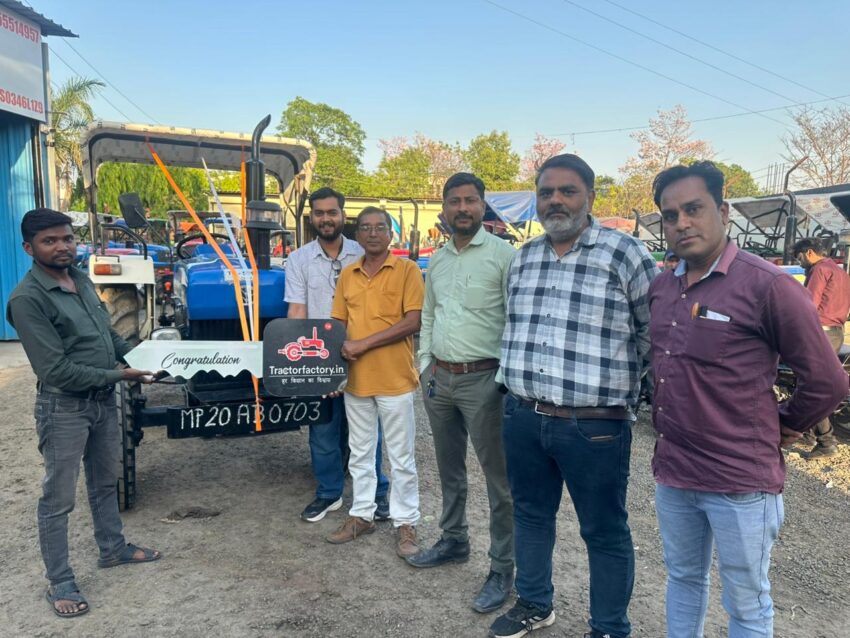
There’s something about an old tractor that just doesn’t exist in the newer ones. Maybe it’s the sound—the slightly uneven rumble when it starts. Or the way it takes a second longer to respond, like it’s thinking before it moves. If you’ve spent time around one, you’ll understand. It’s not just a machine. It’s… well, almost a partner.
I’ve worked with a few over the years. Some bought second-hand, some inherited, one even rescued from sitting idle under a tin shed for nearly a decade. And yet, every single one had life left in it. That’s the thing about an old tractor—it may look tired, but it rarely quits easily.
Why an Old Tractor Still Holds Value
People often assume older means useless. That’s not how it works in farming.
An old tractor has already proven itself. It has seen tough soil, unpredictable weather, long days without rest. And if it’s still running, that says something. New tractors come with features, yes, but they also come with complexity—and cost.
With an older machine, what you see is what you get. No confusing electronics. No unnecessary sensors. Just engine, gears, and raw pulling power.
And honestly, for small farms or basic field work, that’s more than enough.
The Feel of Driving Something That Has History
You don’t just drive an old tractor—you adjust to it.
The clutch might be a little stiff. The steering may have a bit of play. Sometimes the gear slips if you’re not careful. But over time, you learn its behavior. You remember exactly how much choke it needs in winter mornings. You know the sound it makes when it’s about to stall.
Maintenance Isn’t Fancy, But It Matters
Let’s be honest—owning an old tractor does mean more hands-on work.
You can’t ignore small issues. A slight oil leak today can turn into a bigger headache tomorrow. Bolts loosen. Filters clog. Wires age.
But the good part? Most fixes are simple.
You don’t need a laptop or diagnostic software. A basic tool kit, some patience, and a bit of experience go a long way. Many farmers I know actually prefer this. They’d rather fix things themselves than depend on expensive service centers.
It builds confidence too. You start understanding your machine better, not just using it.
Fuel Efficiency and Real-World Performance
Now, this is where opinions differ.
Some say older tractors consume more fuel. Sometimes they do, especially if they’re not maintained properly. But a well-kept old tractor? It can still be surprisingly efficient.
I’ve seen one pull a loaded trolley across uneven land without burning excessive diesel. Not fast, not smooth—but steady.
That’s the word: steady.
It may not win races, but it gets the job done. And in farming, that consistency matters more than speed.
The Affordability Factor That Can’t Be Ignored
For many farmers, budget is the deciding factor. And this is where old tractors really stand out.
A brand-new tractor can be a big financial commitment. Loans, EMIs, interest—it adds pressure. An old tractor, on the other hand, is far more accessible.
You can often find a reliable used tractor at a fraction of the cost. And if you choose wisely, it can serve you for years without major issues.
Of course, you have to check carefully before buying. Engine condition, tire wear, hydraulic system—these things matter. But once you find a good one, it feels like a smart deal.
Common Issues You’ll Eventually Face
Let’s not pretend everything is perfect.
Old tractors come with their own set of problems. Starting trouble in cold weather is common. Wiring issues pop up. Sometimes parts are harder to find, depending on the model.
And then there’s wear and tear—inevitable, really.
But here’s the thing: these problems are usually manageable. You learn to expect them. You keep spare parts handy. You develop small habits, like checking oil levels more frequently or listening closely to engine sounds.
It becomes part of your routine.
Why Many Farmers Still Prefer Old Over New
This might surprise some people, but many experienced farmers still choose old tractors even when they can afford new ones.
Why?
Because they trust them.
They know how these machines behave. They know their limits. There’s no guesswork. And in agriculture, where timing and reliability are everything, that familiarity is valuable.
Also, older tractors are often tougher in rough conditions. No delicate electronics to fail in dust or heat. Just solid, mechanical strength.
The Emotional Connection You Don’t Expect
This is something people don’t talk about enough.
You spend years with a machine—working long hours, relying on it during critical seasons—and slowly, it becomes more than just equipment.
You remember the first harvest you used it for. The time it broke down in the middle of the field and you somehow managed to fix it before sunset. The small victories.
It holds memories.
I’ve seen farmers refuse to sell their old tractors even when they stop using them regularly. They just park them nearby, under shade, almost like keeping a piece of their past close.
Tips for Buying a Good Old Tractor
If you’re planning to buy one, take your time.
Don’t rush just because the price seems low. Start the engine, listen carefully. Check for excessive smoke. Look at the tires—they tell you a lot about usage. Test the hydraulics if possible.
And if you can, bring someone experienced along. A second opinion helps.
Also, don’t expect perfection. A few scratches, minor repairs—that’s normal. What matters is the core condition.
Keeping It Running for Years to Come
An old tractor can last longer than you expect, if you treat it right.
Regular oil changes, timely servicing, and a bit of care go a long way. Keep it clean. Protect it from rain when possible. Address small issues early instead of waiting.
It’s not about spending a lot of money—it’s about consistency.
And once you get into that habit, the tractor responds. It keeps working, season after season.
Conclusion: More Than Just a Machine
An old tractor isn’t perfect. It doesn’t try to be.
It’s rough around the edges, sometimes stubborn, occasionally demanding. But it’s reliable in a way that feels honest. It doesn’t pretend.
In a world that keeps moving toward faster, smarter, more advanced machines, there’s something grounding about using one that simply works… the way it always has.
If you’ve ever driven one, you know the feeling. And if you haven’t, well—there’s a good chance you’re missing out on something real.
https://tractorfactory.weebly.com/blog/why-these-machines-still-matter-in-modern-farming