
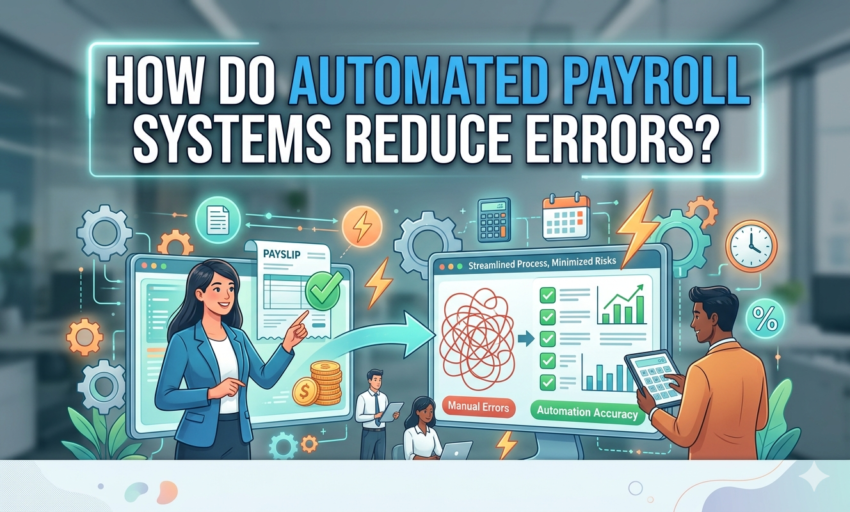
Automated payroll systems significantly reduce human errors by streamlining calculations, standardising data entry, and ensuring consistent compliance with tax regulations. Manual payroll processing often leads to mistakes such as incorrect wage calculations, missed deductions, or inaccurate overtime tracking. Automation minimises these risks by using preset rules and real-time validation.
One of the key advantages is precision in salary computation. Automated tools calculate wages, taxes, and benefits instantly, reducing the chance of miscalculations. This ensures employees receive accurate payments every cycle without discrepancies. It also helps businesses maintain transparency and trust.
Another major benefit is improved recordkeeping. Systems integrated with a Paycheck Stubs Generator automatically create detailed and accurate pay stubs for each employee. These records include earnings, deductions, and net pay, reducing the risk of missing or inconsistent documentation. This also makes audits and financial reporting easier for HR and accounting teams.
Additionally, automation reduces duplication errors. When data is entered once into the system, it is used across all payroll functions, eliminating the need for repeated manual input. This ensures consistency across reports, tax filings, and employee records.
Compliance is another critical area where automation helps. Payroll systems are regularly updated to reflect changes in tax laws and labour regulations. This reduces the likelihood of penalties caused by outdated calculations or missed legal requirements.
Businesses also benefit from customizable tools like a Check Stub Template, which ensures every paycheck stub follows a standardised format. This consistency improves clarity for employees and simplifies payroll management for employers.
These systems also improve compliance. Tax rules, wage laws, and deduction requirements can change, and payroll software updates formulas more quickly than a person can track every detail. That helps businesses avoid underpayments, overpayments, and filing problems. In addition, automation creates a clear record of every payroll action, so managers can review changes and spot issues before they become costly.
Another major benefit is consistency. Automated tools use the same process for every employee, which reduces variation across pay periods. They also connect with time-tracking systems, accounting software, and HR records, so information moves smoothly from one system to another without repeated manual entry. This reduces duplication and keeps payroll data more reliable.
Overall, automated payroll systems save time, improve accuracy, and reduce administrative burden. By minimising manual intervention and leveraging digital tools, companies can ensure smoother payroll operations and fewer costly errors.