
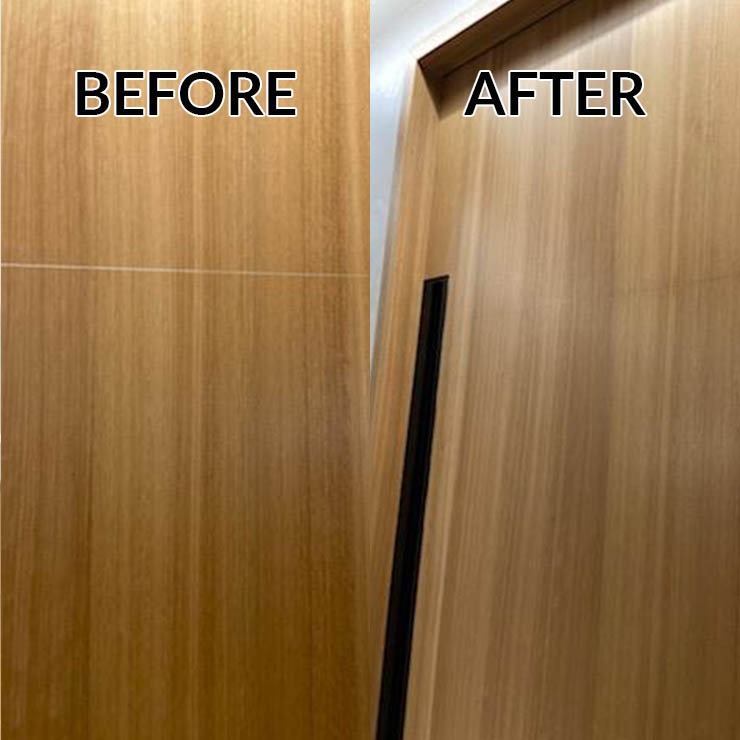
Finding the right furniture restorers Melbourne can make a significant difference when dealing with worn, damaged, or ageing furniture. Whether it’s a sentimental piece or a functional item that needs attention, restoration requires a careful balance of technical skill and material understanding. In a city like Melbourne, where design preferences range from heritage styles to modern interiors, choosing the right professional involves more than just availability.
When evaluating different furniture restorers, it is important to look beyond surface-level claims and focus on the quality of work, process, and long-term results. A well-restored piece should not only look refined but also maintain its durability over time.
Understanding the Scope of Restoration Work
Furniture restoration is not a one-size-fits-all service. It can involve anything from minor surface repairs to complete structural rebuilding.
Common restoration tasks include:
- Repairing scratches, dents, or chipped finishes
- Re-polishing or refinishing surfaces
- Fixing joints, frames, or support structures
- Matching colours and textures for a consistent finish
Understanding what level of work is required helps in identifying a restorer with the right expertise.
1. Experience and Specialisation
Not all restorers handle the same types of furniture or materials.
- Some specialise in timber restoration, while others focus on modern finishes or mixed materials.
- Experience with similar furniture styles increases the likelihood of accurate restoration.
Checking previous work or project types can provide insight into whether the restorer is suited for the job.

2. Restoration Techniques and Materials Used
The methods and materials used during restoration directly impact the final outcome.
- High-quality finishes ensure durability and a more natural appearance.
- Appropriate repair techniques help maintain the integrity of the original structure.
It is important to ensure that the restorer uses methods aligned with the type of furniture being repaired, rather than applying generic solutions.
3. Assessing Attention to Detail
Detail-oriented work is a key indicator of quality in furniture restoration. Small inconsistencies in colour, texture, or alignment can affect the overall appearance of the piece.
Look for:
- Smooth and even finishes
- Consistent colour matching
- Clean and precise repairs
Attention to these aspects reflects the level of craftsmanship involved.
4. Turnaround Time and Project Planning
Restoration projects can vary in duration depending on complexity.
- Minor repairs may be completed quickly, while detailed restoration can take longer.
- Clear timelines help set realistic expectations and avoid unnecessary delays.
Understanding how the project will be managed ensures better coordination from start to finish.
5. Cost Transparency and Value
Pricing for restoration services can differ based on the scope of work and materials used.
- Detailed quotes provide clarity on what is included in the cost.
- Extremely low pricing may indicate compromises in quality or materials.
Evaluating cost in relation to the expected outcome helps in making a more informed decision.
6. Compatibility with Your Requirements
Every restoration project has specific goals, whether it’s preserving originality or updating the look.
- Some restorers focus on maintaining the original character of the furniture.
- Others may adapt the piece to suit modern aesthetics.
Clarifying expectations early ensures alignment between the desired result and the restorer’s approach.
Hiring furniture restorers in Melbourne requires careful evaluation of both skill and approach. By focusing on experience, materials, techniques, and overall compatibility, it becomes easier to choose a professional who can deliver reliable and lasting restoration outcomes.