
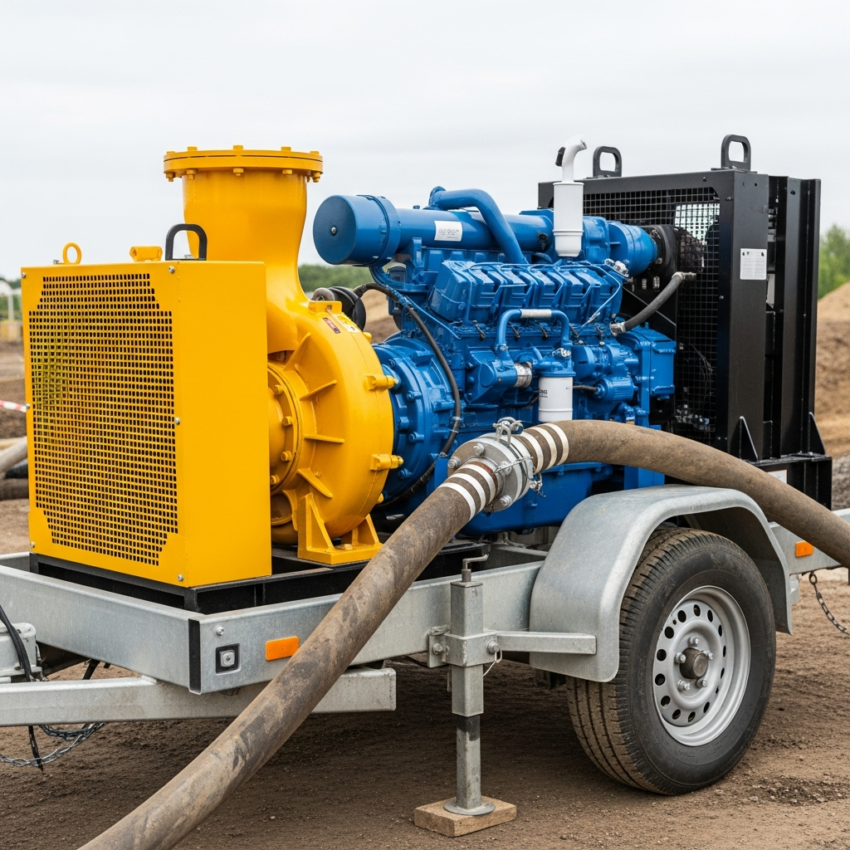
Submersible drainage pumps are used at construction sites, industrial sites, and farms to drain excess water from the ground. Such pumps are strong and durable. However, you must take good care of a submersible drainage pump for steady performance. By doing so, it can improve its performance and minimise the risk of breaking down. Below are the top 5 tips that will help you maintain your submersible drainage pump. Keep reading:
Cleaning the Machine Regularly
Cleaning the pump is a basic maintenance tip you should always follow. Direct exposure to extreme weather, dirt, debris, and pollution can damage a submersible drainage pump. These elements can build up on the pump and interfere with its performance. Therefore, you must clean the machine after each use and remove dirt and debris from hard-to-reach areas. If you keep the machine clean, it will perform smoothly.
Look out for Damage
Overuse can damage the submersible drainage pump. Therefore, you should always inspect the machine for any wear and tear. Look for cracks, leaks, or any damaged parts after using a submersible drainage pump. Moreover, you must check the power cables and seals to ensure safe and smooth operation. Repair or replace the damaged component of the pump as soon as you notice it.
Check the Motor
It will help make the pump run efficiently. That means that you should inspect it regularly for it to work effectively. Whenever you hear any unusual sound or vibration, it is better to seek professional advice. At times, it may overheat or work ineffectively. If you find anything like this, you should take it for servicing. Inspect the motor regularly to avoid serious problems and costly repairs.
Inspect Seals and Bearings
The seals and bearings protect the device from moisture and support its proper operation. The seal is responsible for protecting the motor against moisture. If it wears out, water can enter the pump and cause damage. It is necessary to grease the bearing to keep the submersible dewatering pump running smoothly. It is always advisable to follow the manufacturer’s recommendations and contact professional specialists for any maintenance purposes.
Avoid Dry Running
Always ensure that you do not start the pump in dry mode. Submersible drainage pumps operate underwater. If the pump operates in the dry mode, the risk of overheating increases, which can harm the device. Always check the water level before turning the pump on.
Conclusion
The use of a submersible drainage pump is highly effective in handling excess moisture in industrial settings. Nonetheless, one needs to properly take care of the device to enhance its lifespan. One should strictly follow every manufacturer’s recommendations and properly store the device. Inactive submersible drainage pumps should be stored in dry conditions.