
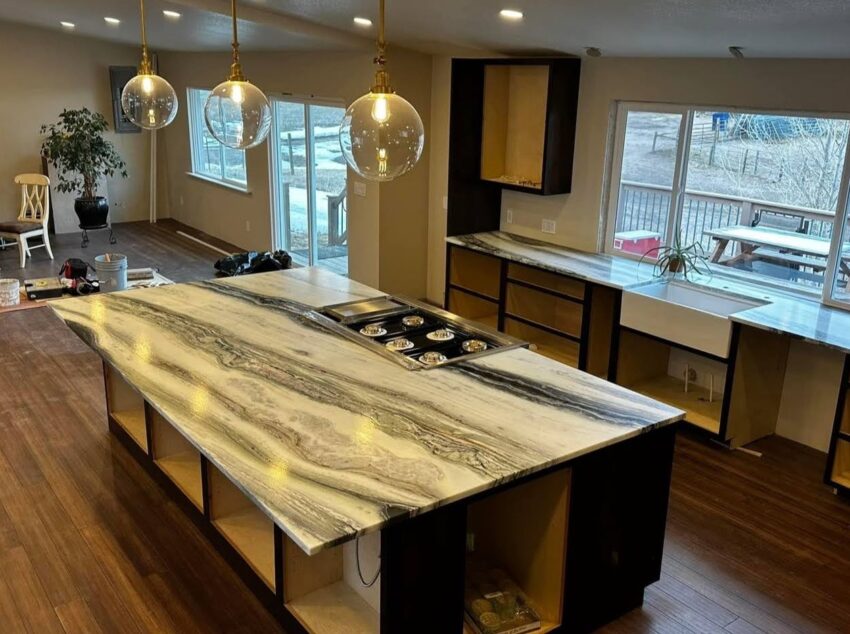
You stand in your kitchen and picture fresh custom cabinets that feel warm, last for decades, and match your daily life perfectly. Choosing the right material makes all the difference between cabinets that simply store dishes and ones that become the heart of your home. In custom cabinets kitchen remodeling, the wood you select shapes both beauty and function for years ahead.
Which wood truly fits your kitchen? Homeowners often feel torn between classic looks, toughness against spills and knocks, and how easily the finish matches their vision. You want cabinets that handle busy mornings yet still look elegant when guests arrive. Let us walk through the main options so you gain clear answers.
What Makes One Wood Better Than Another for Cabinets?
Durability matters most in a kitchen. You open doors hundreds of times weekly, place hot pans nearby, and deal with moisture from cooking. Hardwoods generally resist dents and wear better than softer choices. Grain pattern affects the visual rhythm—some woods show bold lines that add character, while others offer a smooth, quiet surface. Stain compatibility decides how easily you achieve the exact color you picture, from light and airy to deep and rich.
Engineered woods bring consistency and often lower costs with layered construction that fights warping. Solid hardwoods deliver unique beauty that develops character over time. Your choice depends on your lifestyle, budget, and the overall design you want.
How Does Oak Perform in Everyday Kitchens?
Oak stands out for its strength and distinctive open grain that gives depth and texture. You notice the bold patterns right away—they add warmth and hide minor scratches well, which helps in active households. Red oak and white oak both take stains beautifully, letting you shift from golden tones to richer browns without trouble.
This wood handles heavy use reliably. Many families choose oak when they want traditional or farmhouse styles that feel inviting. Its natural toughness makes it a safe pick if you worry about wear from kids or frequent cooking. Yet the prominent grain may feel too busy if you prefer a cleaner, modern look.
Why Do Many Homeowners Love Maple?
Maple offers a fine, tight grain that creates a smooth and uniform appearance. Its light creamy color works wonderfully with painted finishes or subtle stains, giving you a clean canvas for contemporary kitchens. You appreciate how maple resists dents better than many expect, making it practical for busy spaces.
This species stays stable even with humidity changes common in kitchens. It paints evenly without blotching, so your custom kitchen remodeling achieves that crisp, polished result you see in magazines. If you want light, bright cabinets that make the room feel larger, maple often becomes your go-to choice. Its subtle beauty lets other elements, like countertops or backsplashes, shine.
Does Cherry Bring the Luxury Touch You Seek?
Cherry delivers rich reddish-brown tones that deepen naturally with age and light exposure. You watch the wood develop a soft glow that feels refined and welcoming. Its fine grain looks elegant without overwhelming the space, suiting transitional or more formal kitchens.
Though slightly softer than oak or maple, cherry still offers solid durability for normal kitchen life. It accepts stains well and shows beautiful movement in the wood. Many high-income families and retirees pick cherry when they desire a touch of quiet sophistication that grows more beautiful each year. Just remember it shows dents more noticeably than harder woods, so thoughtful daily care pays off.
What About Walnut for a Bold, Modern Statement?
Walnut brings deep chocolate-brown hues with smooth, straight grain that feels luxurious and contemporary. You get a sense of warmth and depth that makes the kitchen feel expensive and grounded. Its rich color pairs beautifully with lighter elements for striking contrast in two-tone designs.
This wood holds up well to daily use while offering a premium look that impresses investors and flippers aiming to boost resale value. Walnut takes stains effectively, though its darker base limits how light you can go. Choose it when you want cabinets that command attention and create an atmosphere of refined comfort.
How Do Engineered Woods Compare to Solid Hardwoods?
Engineered options, such as plywood or MDF with wood veneers, deliver consistent quality without the natural variations of solid wood. You gain excellent stability against moisture and temperature swings—key advantages in humid kitchen environments. These materials often cost less while still allowing beautiful wood-grain finishes.
They paint or stain reliably and resist warping better in some cases. Many new home buyers and practical remodelers select engineered woods when they need reliable performance on a balanced budget. However, solid hardwoods usually win for long-term character and repairability if you value authentic wood that can be sanded and refinished decades later.
Here is a quick comparison to help you decide at a glance:
|
Wood Type |
Durability Level |
Grain Pattern |
Stain Compatibility |
Best For |
Lifespan Expectation |
|
Oak |
Very High |
Bold, open |
Excellent |
Traditional, family kitchens |
30-50+ years |
|
Maple |
High |
Fine, smooth |
Good (great for paint) |
Modern, clean looks |
30-50+ years |
|
Cherry |
Good |
Fine, subtle |
Very Good |
Elegant, warming designs |
25-40+ years |
|
Walnut |
High |
Smooth, straight |
Excellent |
Luxury, contemporary spaces |
30-45+ years |
|
Engineered |
High (stable) |
Consistent veneer |
Good |
Budget-friendly consistency |
20-30+ years |
Solid hardwoods like maple, oak, and cherry often last 50 years or more with proper care, according to industry performance data.
Which Factors Should You Weigh Before Choosing?
Think about your daily routine first. Busy families benefit from oak’s forgiving nature. If you entertain often and want a polished feel, maple or cherry might suit you better. Consider lighting—darker walnut shines in larger kitchens with good natural light, while lighter woods open up smaller spaces.
Budget plays a role too. Engineered woods help control costs without sacrificing quality, especially when paired with expert installation. You also want to match the wood to your countertops, flooring, and appliances for a harmonious result. A skilled team helps you test samples in your actual lighting so you avoid surprises.
Have you wondered how these choices affect your home’s value? Quality custom kitchen remodel contractor work with the right materials often delivers strong returns because buyers notice durable, beautiful cabinetry immediately.
Ready to Move Forward with Confidence?
The right wood transforms your kitchen from functional to unforgettable. Whether you lean toward oak’s rugged charm, maple’s clean versatility, cherry’s graceful aging, walnut’s depth, or engineered wood’s steady performance, each option brings unique strengths.