
I never really thought packaging was something worth paying attention to. To me, it was just… boxes. Something you open and throw away without thinking twice.
But a few months ago, I visited a supplier warehouse with a friend who runs a small online business, and that’s where my view completely changed about custom box packaging.
His business was growing, slowly and kinda steadily, which was fine, but the shipping part was beginning to feel a bit chaotic. A few items came in with light damage, some boxes looked oddly oversized for the products, and the packing orders was taking more time than it really should have.
At first, he let it slide, like most folks do. But when the order volume climbed, those small troubles started stacking up, day after day, every single day.
So instead of guessing solutions, he decided to explore proper custom box packaging options directly from manufacturers.
I just went along out of curiosity.
Didn’t expect much, honestly.
Turned out, it was more detailed than I thought.
First Impression of the Warehouse
The place had that typical industrial feel. Big open space, stacks of cardboard sheets everywhere, machines running in the background, and workers folding samples at long tables.
Nothing fancy. No polished showroom vibe. Just pure production and movement.
What surprised me was how many variations of custom box packaging actually existed.
I always assumed it was just “different size boxes.”
But it wasn’t that simple at all.
Some things I noticed:
- Custom rigid boxes for premium products
- Foldable shipping cartons designed for space saving
- Printed packaging for branding and retail presentation
- Eco-friendly kraft box options
- Reinforced cartons for heavy or fragile items
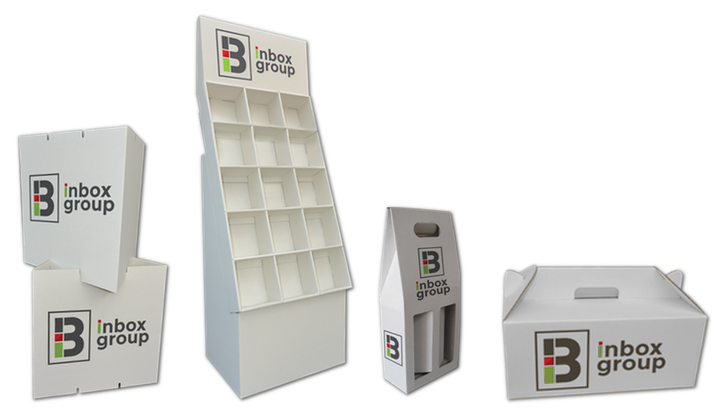
There was also a small reference display area where I noticed Inbox Group mentioned near some bulk packaging samples, which made the whole setup feel more connected to real business supply chains rather than just manufacturing.
Small detail, but it stuck with me.
Why We Needed Custom Box Packaging in the First Place
My friend explained the issue while we walked through the warehouse.
At first, it didn’t sound too serious.
But when you break it down daily, it made complete sense.
- Products shifting during delivery
- Oversized boxes increasing shipping costs
- Weak packaging causing occasional damage
- Inconsistent box sizes affecting storage
- Slow packing process during busy order days
Individually, these felt manageable.
Together, they were slowing the business down.
That’s when custom box packaging started sounding less like an option and more like a necessity.
Actual Benefits We Noticed During the Visit
The supplier showed how packaging is actually designed around products, not the other way around.
That part was surprisingly interesting.
A few things stood out clearly:
- Product-specific sizing reduces movement inside boxes
- Stronger materials improve shipping safety
- Better design speeds up packing operations
- Consistent box structure improves storage efficiency
- Custom branding increases professional presentation
Watching samples side by side made the difference obvious.
Some boxes looked fine visually but were weak in structure. Others were clearly designed for performance first.
That’s when custom box packaging started feeling more like a practical system than just packaging.
A Small Interaction That Stuck With Me
At one point, my friend asked one of the workers, “Do most businesses fix packaging only after problems start?”
The guy smiled and said, “Almost always.”
Simple answer, but very accurate.
Because packaging is one of those things people don’t think about until damage or delays start happening regularly.
That short conversation explained a lot without needing more detail.
Why the Process Felt More Technical Than Expected
I honestly thought we would just pick boxes and move on quickly.
But there was a proper process behind custom box packaging:
- Measuring product dimensions carefully
- Choosing material strength based on weight
- Designing folds for efficiency and protection
- Testing durability and stacking ability
- Planning storage and shipping logistics
Some solutions were clearly for small businesses shipping daily orders, while others were built for large-scale operations handling bulk distribution.
The deeper we went, the more I realised packaging is part design, part engineering, and part logistics.
Not just cardboard at all.
Advantages We Noticed Later
After seeing everything properly, a few advantages became very clear:
- Better product protection during shipping
- Faster and smoother packing process
- Reduced return and damage rates
- More organised storage space
- Stronger brand presentation
None of these feel huge individually.
But together, they completely change how efficiently a business runs.
Final Thoughts After Seeing Custom Box Packaging Up Close
Before this visit, I never really gave packaging much thought.
Now I see it differently.
After spending time inside that warehouse and seeing how much planning goes into custom box packaging, I realised it quietly supports almost every part of a business—shipping, branding, storage, even customer satisfaction.