
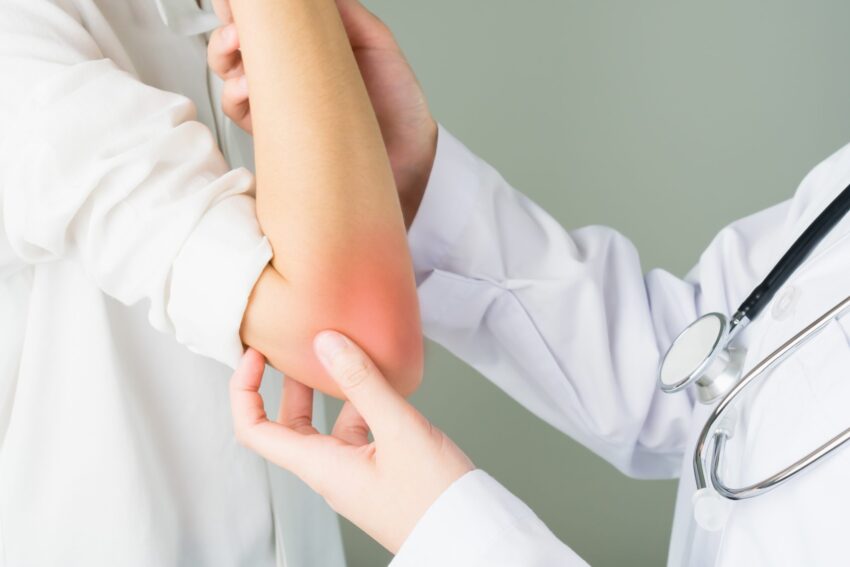
Elbow pain can affect many parts of daily life. Simple activities like lifting a bag, opening a jar, shaking hands, or typing on a computer may become difficult and uncomfortable. Many people experience elbow pain because of aging, sports injuries, repetitive work, inflammation, or joint wear and tear. When pain continues for a long time, it can reduce mobility and affect quality of life.
Today, many people are looking for treatment options that do not involve major surgery. Non-surgical therapies are becoming more popular because they often allow faster recovery, less discomfort, and fewer complications. One growing area of interest is Regenerative Medicine for Elbow Arthritis. This modern approach focuses on supporting the body’s natural healing process to improve joint function and reduce pain.
Regenerative therapies are now being explored for different orthopedic conditions, including elbow problems. These treatments may help reduce inflammation, improve tissue healing, and support joint health. For patients who want alternatives to surgery, regenerative medicine may provide another option worth discussing with a specialist.
Understanding Elbow Pain
The elbow is a joint made up of bones, muscles, tendons, ligaments, and cartilage. It allows the arm to bend, rotate, and move smoothly. Because the elbow is used often during daily activities, it can become injured or worn down over time.
Elbow pain may appear suddenly after an injury or slowly over many years. Some people experience mild discomfort, while others develop severe pain that limits movement.
Common Causes of Elbow Pain
There are many reasons why elbow pain develops. Some of the most common causes include:
- Arthritis
- Tendon injuries
- Sports injuries
- Repetitive strain
- Ligament damage
- Inflammation
- Joint degeneration
- Fractures or trauma
Among these conditions, arthritis is one of the leading causes of long-term elbow discomfort.
What Is Elbow Arthritis?
Elbow arthritis happens when the cartilage inside the elbow joint becomes damaged or worn away. Cartilage is the smooth tissue that protects the ends of bones and allows painless movement. When cartilage breaks down, the bones may rub against each other, causing pain and stiffness.
Symptoms of Elbow Arthritis
People with elbow arthritis may experience:
- Joint pain
- Swelling
- Stiffness
- Reduced range of motion
- Clicking or grinding sensations
- Weakness in the arm
- Difficulty lifting objects
Symptoms may become worse over time if the condition is not managed properly.
Traditional Non-Surgical Treatments for Elbow Pain
Before considering surgery, doctors often recommend conservative treatment methods. These treatments aim to reduce pain and improve movement.
Rest and Activity Modification
Avoiding activities that worsen the pain can help reduce stress on the elbow joint. Taking breaks during repetitive work may also support recovery.
Physical Therapy
Physical therapy exercises can strengthen muscles around the elbow and improve flexibility. This may reduce pressure on the joint.
Medications
Pain relievers and anti-inflammatory medications are sometimes used to manage symptoms temporarily.
Bracing and Support
Elbow braces may help stabilize the joint and reduce strain during movement.
Injections
Certain injections are used to reduce inflammation and discomfort in the elbow area.
While these methods may provide relief, some people continue to experience ongoing pain. In such situations, regenerative medicine may become part of the discussion.
What Is Regenerative Medicine?
Regenerative medicine is a medical field focused on helping the body repair and heal damaged tissues naturally. Instead of only controlling symptoms, regenerative therapies aim to support tissue recovery and improve function.
This area of medicine is becoming increasingly popular in orthopedics because it may help manage joint pain, tendon injuries, and arthritis without major surgery.
How Regenerative Medicine Works
The body already has natural healing abilities. Regenerative medicine uses specialized biological materials that may encourage tissue repair and healing responses.
These treatments are designed to:
- Reduce inflammation
- Support tissue regeneration
- Improve healing
- Promote joint function
- Reduce discomfort
Different regenerative therapies may be used depending on the patient’s condition and overall health.
Regenerative Medicine for Elbow Arthritis
Many patients are now exploring Regenerative Medicine for Elbow Arthritis as a non-surgical treatment option. This approach may help patients who have persistent pain but want to avoid or delay surgery.
Regenerative therapies are often considered for:
- Mild to moderate arthritis
- Chronic tendon injuries
- Sports-related elbow pain
- Joint inflammation
- Early cartilage damage
Treatment plans are usually customized for each patient.
Types of Regenerative Therapies for Elbow Pain
There are several regenerative treatment methods used in orthopedic care.
Platelet-Rich Plasma Therapy
Platelet-rich plasma, often called PRP, uses components taken from the patient’s own blood. The blood is processed to concentrate platelets, which contain growth factors that may support healing.
PRP therapy is commonly explored for:
- Tendon injuries
- Joint pain
- Arthritis
- Soft tissue damage
The treatment is usually performed in a clinic setting and may require minimal downtime.
Stem Cell Therapy
Stem cell therapy is another regenerative option used in orthopedic medicine. Stem cells have the ability to develop into different types of cells and may support tissue repair.
In some cases, stem cells are collected from the patient’s own body and prepared for treatment.
Potential goals of stem cell therapy include:
- Supporting cartilage health
- Reducing inflammation
- Improving mobility
- Encouraging healing responses
Research in this area continues to grow as specialists study long-term outcomes and benefits.
Prolotherapy
Prolotherapy involves injecting a solution into injured or painful tissues to encourage healing responses. It may be considered for certain ligament and tendon problems around the elbow.
Benefits of Regenerative Medicine for Elbow Pain
Many patients are interested in regenerative medicine because it offers a less invasive approach compared to surgery.
Non-Surgical Approach
One major benefit is that regenerative therapies usually do not require large surgical incisions or long hospital stays.
Reduced Recovery Time
Recovery may be faster compared to traditional surgery, allowing some patients to return to activities sooner.
Personalized Treatment
Treatment plans are often customized based on the patient’s condition, symptoms, and lifestyle.
Natural Healing Support
These therapies focus on supporting the body’s own repair mechanisms.
Potential Improvement in Joint Function
Some patients report better movement, reduced stiffness, and less pain after treatment.
Who May Be a Good Candidate?
Not every patient is the same, and regenerative medicine may not be suitable for everyone. A proper medical evaluation is important before deciding on treatment.
Patients who may be considered for regenerative therapies include those who:
- Have chronic elbow pain
- Want to avoid surgery
- Have mild or moderate arthritis
- Did not improve with conservative treatments
- Have tendon or ligament injuries
A specialist will usually examine the elbow, review imaging tests, and discuss symptoms before recommending treatment.
The Treatment Process
The treatment process may vary depending on the type of regenerative therapy used.
Initial Consultation
The doctor evaluates the patient’s symptoms, medical history, and joint condition.
Imaging and Diagnosis
Imaging tests such as X-rays or MRI scans may help identify tissue damage or arthritis severity.
Procedure
The regenerative material is prepared and injected into the affected area under careful guidance.
Recovery and Rehabilitation
Patients may be advised to rest temporarily and follow a rehabilitation plan to support recovery.
Follow-up appointments are important to monitor progress.
Recovery After Regenerative Treatment
Recovery times can vary from person to person. Some patients may notice gradual improvement over weeks or months.
Recovery Tips
Patients are often advised to:
- Follow medical instructions carefully
- Avoid excessive strain
- Attend physical therapy if recommended
- Maintain healthy lifestyle habits
- Stay patient during the healing process
Healing is usually gradual because regenerative therapies aim to support natural tissue repair.
Lifestyle Changes That Support Elbow Health
Along with treatment, healthy lifestyle habits may help protect the elbow joint and reduce future discomfort.
Maintain Proper Exercise
Low-impact exercises may help improve flexibility and strengthen supporting muscles.
Avoid Repetitive Strain
Taking breaks during repetitive tasks may reduce stress on the elbow.
Maintain Healthy Weight
Excess body weight can increase stress on joints throughout the body.
Eat a Balanced Diet
Nutritious foods may support overall tissue and joint health.
Stay Hydrated
Proper hydration supports general body function and recovery.
Risks and Considerations
Although regenerative medicine is generally considered less invasive than surgery, every medical treatment carries some risks.
Possible considerations may include:
- Temporary soreness
- Swelling
- Mild discomfort after injections
- Variable results between patients
- Need for multiple sessions
It is important for patients to discuss expectations, benefits, and risks with a qualified orthopedic specialist.
The Future of Regenerative Orthopedic Care
Regenerative medicine continues to grow as researchers and doctors study new ways to manage joint pain and tissue damage. Advances in biologic therapies may improve future treatment options for patients with arthritis and sports injuries.
As technology and research develop, regenerative approaches may become an increasingly important part of orthopedic care.
Many patients appreciate the idea of treatments that focus on healing support rather than only symptom management. While more long-term studies continue, regenerative medicine is already becoming part of modern non-surgical orthopedic strategies.
When to See a Specialist
Persistent elbow pain should not be ignored. Early evaluation may help prevent worsening joint damage and support better treatment outcomes.
You should consider seeing a specialist if you experience:
- Ongoing elbow pain
- Difficulty moving the arm
- Swelling or stiffness
- Weakness in the joint
- Pain that interferes with daily activities
A specialist can identify the cause of the pain and discuss suitable treatment options.
Conclusion
Elbow pain can greatly affect daily comfort, movement, and overall quality of life. Conditions such as arthritis, tendon injuries, and joint degeneration may lead to long-term discomfort if left untreated. Fortunately, non-surgical treatment options continue to expand.
Today, Regenerative Medicine for Elbow Arthritis is attracting attention as a modern approach that may support healing, reduce inflammation, and improve joint function. Therapies such as PRP and stem cell treatment are being explored to help patients manage pain without major surgery.
Every patient’s condition is different, which is why proper evaluation and personalized care are important. Consulting an experienced orthopedic specialist can help patients understand whether regenerative therapies may be suitable for their needs. For patients seeking advanced orthopedic care and non-surgical treatment approaches, Dr Marouane Bouloudhnine provides professional guidance and personalized treatment planning based on individual joint conditions and recovery goals.