
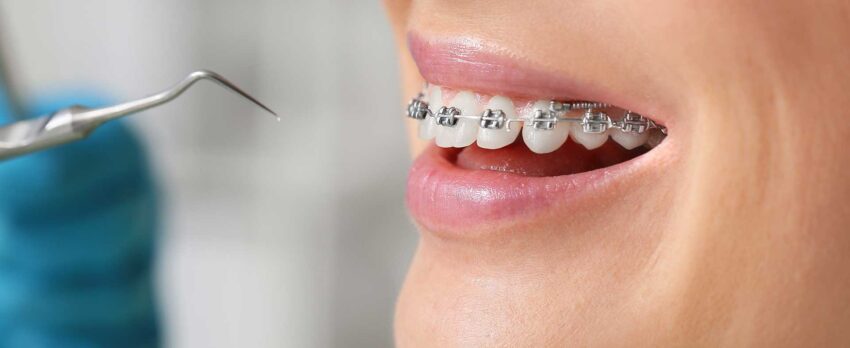
A confident smile can leave a lasting impression, and healthy, well-aligned teeth play a major role in improving both appearance and oral health. Braces treatment is one of the most effective orthodontic solutions for correcting crooked teeth, bite issues, and jaw alignment problems. Whether you are considering braces for yourself or your child, understanding the treatment process can help you feel more prepared and confident.
In this blog, we will explain everything you can expect during braces treatment, from the initial consultation to the final results.
What Are Braces?
Braces are orthodontic devices used to gradually move teeth into their proper position. They apply continuous gentle pressure on the teeth over time, helping correct alignment issues and improving overall dental health.
Braces are commonly recommended for treating:
-
Crooked or crowded teeth
-
Gaps between teeth
-
Overbite
-
Underbite
-
Crossbite
-
Jaw alignment problems
Modern orthodontics offers several types of braces, making treatment more comfortable and aesthetically pleasing than ever before.
Types of Braces Available
Metal Braces
Traditional metal braces are the most common type. They consist of metal brackets attached to the teeth and connected with wires. Today’s metal braces are smaller, lighter, and more comfortable than older versions.
Ceramic Braces
Ceramic braces work similarly to metal braces but use tooth-colored or clear brackets, making them less noticeable.
Lingual Braces
These braces are placed behind the teeth, making them virtually invisible from the front. They are suitable for patients looking for discreet orthodontic treatment.
Clear Aligners
Clear aligners are removable transparent trays that gradually straighten teeth. They are popular among adults and teenagers who prefer a nearly invisible option.
Your orthodontist will recommend the most suitable option based on your dental condition, lifestyle, and budget.
The Initial Consultation
The braces journey begins with an orthodontic consultation. During this visit, the orthodontist examines your teeth, jaw alignment, and bite.
The evaluation may include:
-
Dental X-rays
-
Photographs of your teeth and face
-
Digital scans or impressions
-
Bite analysis
Based on the findings, the orthodontist creates a customized treatment plan. You will also receive information about treatment duration, estimated costs, and expected outcomes.
Many patients searching for the best braces treatment in Mulund East trust Dr. Roshan’s Advanced Dental Clinic for advanced orthodontic solutions and patient-focused dental care. The clinic offers customized braces treatment plans designed to improve both aesthetics and oral health while ensuring patient comfort throughout the process.
Getting Your Braces
Once the treatment plan is finalized, the next appointment involves placing the braces.
The process usually includes:
-
Cleaning and drying the teeth
-
Bonding brackets to the tooth surface
-
Connecting brackets with archwires
-
Securing wires with elastic bands
The procedure is painless and typically takes one to two hours.
After the braces are placed, you may experience mild discomfort or pressure for a few days. This is completely normal and indicates that the braces are beginning to move your teeth.
What to Expect During Treatment
Braces treatment is a gradual process that requires patience and regular follow-up visits.
Regular Adjustments
You will need periodic orthodontic appointments, usually every 4 to 8 weeks. During these visits, the orthodontist adjusts the wires, replaces elastic bands, and monitors your progress.
These adjustments help maintain consistent pressure on the teeth to guide them into proper alignment.
Mild Discomfort
It is common to feel soreness after adjustments. The discomfort usually subsides within a few days and can be managed with soft foods and over-the-counter pain relief if needed.
Changes in Eating Habits
Certain foods can damage braces, so patients are advised to avoid:
-
Hard candies
-
Sticky foods
-
Popcorn
-
Nuts
-
Chewing ice
Soft foods such as yogurt, soup, mashed potatoes, rice, and smoothies are easier to eat, especially after adjustments.
Oral Hygiene Becomes More Important
Braces create additional spaces where food particles and plaque can accumulate. Maintaining excellent oral hygiene is essential to prevent cavities and gum disease.
Patients should:
-
Brush after every meal
-
Use fluoride toothpaste
-
Floss daily using orthodontic floss tools
-
Rinse with mouthwash
Your orthodontist may also recommend interdental brushes for cleaning around brackets and wires.
How Long Does Braces Treatment Take?
Treatment duration varies depending on the complexity of the case and the type of braces used.
On average:
-
Mild cases: 6 to 12 months
-
Moderate cases: 12 to 24 months
-
Complex cases: 24 to 36 months
Following your orthodontist’s instructions and attending appointments regularly can help avoid delays in treatment.
Common Challenges During Braces Treatment
While braces are highly effective, patients may face a few temporary challenges.
Mouth Irritation
Brackets and wires can sometimes irritate the cheeks and lips. Orthodontic wax can help reduce friction and improve comfort.
Broken Brackets or Wires
Occasionally, brackets may loosen or wires may break due to eating hard foods or accidental impact. It is important to contact your orthodontist promptly for repairs.
Speech Adjustments
Some patients notice minor speech changes initially, especially with lingual braces or aligners. Most people adapt within a few days.
The Results: A Healthier, Straighter Smile
One of the most exciting moments in orthodontic treatment is getting the braces removed. Once the teeth have reached their ideal positions, the orthodontist carefully removes the brackets and cleans the teeth.
The results often include:
-
Improved smile appearance
-
Better bite alignment
-
Easier cleaning and oral hygiene
-
Enhanced self-confidence
-
Reduced risk of dental problems
Many patients feel the transformation is well worth the time and effort invested.
Why Retainers Are Important
After braces are removed, retainers help maintain the new position of the teeth. Without retainers, teeth may gradually shift back over time.
There are two main types of retainers:
-
Removable retainers
-
Fixed retainers
Your orthodontist will provide guidance on how often to wear them and how to care for them properly.
Braces treatment is a life-changing investment in both your oral health and confidence. Although the journey requires patience, regular care, and commitment, the long-term benefits are significant. Modern orthodontic advancements have made braces more comfortable, efficient, and discreet than ever before.
If you are considering braces treatment, consulting an experienced orthodontist is the first step toward achieving a healthier and more attractive smile. With proper guidance and care, you can enjoy lasting results and improved dental health for years to come.
Original Sources : – Braces Treatment Explained: What to Expect