
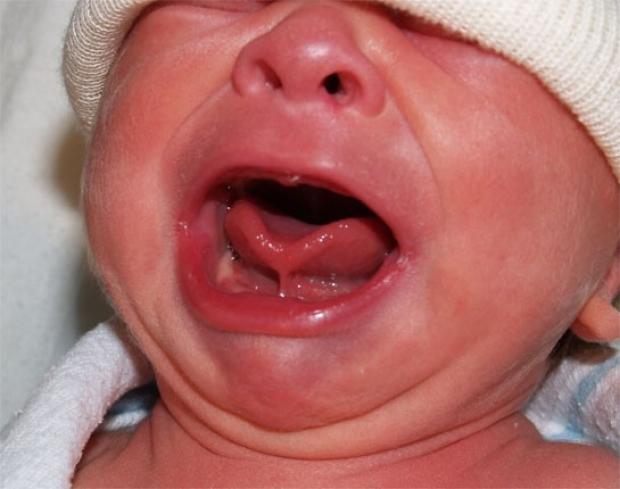
Tongue tie, also known as ankyloglossia, has become a widely discussed topic in healthcare over the past decade. As awareness grows among parents, clinicians, and educators, so does the amount of information available online. Many healthcare professionals are now seeking additional education through a tongue tie training course, Professional Tongue Tie Training, and advanced continuing education programs to better understand assessment and management approaches.
At the same time, students entering fields such as dentistry, pediatrics, speech-language pathology, and lactation support are encountering an increasing amount of information about oral restrictions. While this growing interest has encouraged professional development and expanded access to Tongue tie certification course opportunities, it has also contributed to the spread of myths and misunderstandings surrounding tongue tie assessment, diagnosis, and management.
For students and healthcare professionals entering this field, separating evidence-based information from popular misconceptions is essential. Understanding what current research suggests—and where uncertainties still exist—can help support informed clinical decision-making and meaningful conversations with patients and families.
This article explores some of the most common myths about tongue tie and examines them through a research-informed lens.
Myth 1: Every Tongue Tie Requires Treatment
One of the most common misconceptions is that all tongue ties automatically require intervention.
In reality, the presence of a restrictive lingual frenulum alone does not necessarily indicate a need for treatment. Healthcare professionals often consider both anatomy and function when evaluating a patient. Some individuals with a tongue tie may experience feeding, oral function, or mobility challenges, while others may not show significant functional concerns.
Current clinical approaches generally emphasize comprehensive assessment rather than relying solely on appearance. Researchers continue to explore which factors are most useful when determining whether intervention may be appropriate.
Key Takeaway
A tongue tie diagnosis does not automatically mean treatment is required. Functional evaluation plays an important role in determining appropriate care.
Myth 2: Tongue Tie Only Affects Infants
Public discussions about tongue tie frequently focus on breastfeeding and infant feeding challenges. While these topics are important, tongue tie is not exclusively an infant concern.
Researchers and clinicians have explored how oral restrictions may influence different stages of life. Depending on the individual case, concerns may relate to feeding, oral mobility, oral hygiene, or other functional considerations. As a result, interest in tongue tie education now extends beyond pediatric settings and into broader healthcare disciplines.
Key Takeaway
Tongue tie is often discussed in infancy, but its potential implications may extend beyond the newborn period.
Myth 3: Visual Appearance Alone Can Determine Severity
Many people assume that tongue ties can be accurately assessed simply by looking at the frenulum.
However, modern assessment frameworks often incorporate multiple factors, including tongue mobility, functional performance, feeding observations, and patient history. Two individuals may appear to have similar anatomy while demonstrating very different functional outcomes.
This is one reason why specialized education and clinical training have become increasingly important within the field. Healthcare professionals pursuing a Tongue tie certification course often learn that appearance alone rarely provides a complete picture of oral function.
Key Takeaway
Visual appearance is only one component of assessment. Function and mobility are equally important considerations.
Myth 4: All Healthcare Professionals Assess Tongue Tie the Same Way
Another common misconception is that tongue tie evaluation follows a single universal standard.
In practice, assessment methods may vary among healthcare disciplines, educational backgrounds, and clinical settings. Dentists, pediatricians, lactation consultants, speech-language pathologists, and other professionals may approach evaluation from different perspectives based on their scope of practice and patient needs.
As interest in tongue tie care expands, many professionals pursue tethered oral tissues training programs to better understand assessment methods, functional evaluation, and interdisciplinary care. Researchers continue to examine assessment tools and outcome measures in an effort to improve consistency and understanding.
Key Takeaway
Tongue tie assessment is often multidisciplinary, and approaches may vary across healthcare professions.
Myth 5: Tongue Tie Research Has Answered Every Question
As public awareness increases, some people assume that all aspects of tongue tie have already been fully understood by researchers.
In reality, tongue tie remains an active area of study. Researchers continue investigating topics such as diagnosis, assessment reliability, treatment outcomes, long-term effects, and interdisciplinary care models.
Like many healthcare topics, scientific understanding continues to evolve as new evidence emerges. Students entering the field should recognize that research is ongoing and that future discoveries may continue to shape professional practice.
Key Takeaway
While significant knowledge exists, researchers continue exploring important questions about tongue tie and oral function.
Myth 6: Tongue Tie Is Only a Dental Issue
Because many discussions involve oral anatomy, some individuals view tongue tie as solely a dental concern.
Modern clinical conversations often involve a much broader range of professionals. Pediatric healthcare providers, lactation consultants, speech-language pathologists, occupational therapists, and dental professionals may all contribute valuable perspectives depending on the patient’s circumstances.
The growing involvement of multiple healthcare disciplines has influenced continuing education trends as well. Today, many Lactation Consultant Training Courses and healthcare education programs include discussions on tongue tie, oral function, infant feeding, and collaborative patient care.
Key Takeaway
Tongue tie assessment and management often involve collaboration among multiple healthcare disciplines.
Myth 7: Online Information Can Replace Professional Assessment
The internet has made healthcare information more accessible than ever. While educational resources can help raise awareness, online content cannot replace individualized professional evaluation.
Tongue tie presentations can vary considerably from person to person. Clinical assessment typically involves considering anatomy, function, medical history, and patient-specific concerns.
Students and future healthcare professionals should recognize the value of evidence-based information while understanding the limitations of generalized online advice.
Key Takeaway
Educational resources can support learning, but clinical decisions require professional assessment and judgment.
Why Understanding These Myths Matters
For healthcare students and emerging clinicians, tongue tie represents an evolving area of practice that combines anatomy, function, communication, and interdisciplinary care. Understanding common misconceptions helps build critical thinking skills and encourages a more balanced approach to patient care.
Whether pursuing a tongue tie training course, participating in Professional Tongue Tie Training, or exploring advanced continuing education opportunities, developing a strong foundation in evidence-based knowledge is essential. Professionals who understand the complexities of assessment and management are better equipped to evaluate research, communicate with patients, and contribute to informed healthcare decisions.
The Importance of Continued Education in Tongue Tie Care
As awareness of oral restrictions grows, healthcare professionals are increasingly seeking opportunities to strengthen their clinical knowledge. Educational programs focused on tongue tie, oral function, and patient assessment provide valuable insights into current research and evolving clinical practices.
From tethered oral tissues training programs to specialized Tongue tie certification course options, continuing education plays an important role in helping professionals stay informed about developments within this rapidly evolving field. Ongoing learning also supports interdisciplinary collaboration, which remains a key component of comprehensive patient care.
Conclusion
Tongue tie remains an important and evolving topic within healthcare. While increased awareness has created valuable opportunities for education and early identification, it has also contributed to the spread of misinformation and oversimplified conclusions.
By examining common myths through a research-based perspective, students and healthcare professionals can develop a deeper understanding of the complexities surrounding tongue tie assessment and management. As interest in the field continues to expand, many professionals are turning to Professional Tongue Tie Training, Tongue tie certification course programs, and specialized educational pathways to strengthen their expertise and support evidence-informed practice.
Continued research, professional education, and interdisciplinary collaboration will play an important role in advancing knowledge and improving patient care in the years ahead.