
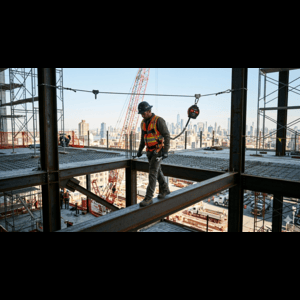
Falls remain one of the leading causes of serious workplace injuries and fatalities in construction, industrial maintenance, roofing, and facility management. As organizations continue to prioritize worker safety, implementing a reliable fall arrest system has become an essential component of risk management and regulatory compliance.
Whether employees are working on rooftops, elevated platforms, ladders, or structural steel, the right fall protection strategy can mean the difference between a safe workday and a life-changing accident. Understanding how fall arrest systems work, their key components, and how they fit into a broader safety program is critical for employers, safety managers, and facility owners.
A fall arrest system is a worker protection solution designed to stop a fall safely after it begins, minimizing injury and preventing contact with lower levels. It typically includes an anchorage point, connecting device, lifeline, and full-body harness. These systems help organizations improve worker safety, meet regulatory requirements, and reduce fall-related incidents.
Why Fall Protection Matters More Than Ever
Working at height presents inherent risks across numerous industries. Construction crews, roofing contractors, maintenance technicians, warehouse personnel, and utility workers frequently operate in elevated work environments where even a short fall can result in severe injuries.
According to workplace safety authorities worldwide, falls consistently rank among the most common causes of occupational fatalities. As a result, businesses are increasingly investing in comprehensive fall protection systems that combine prevention, restraint, and fall arrest technologies.
Effective worker fall protection not only saves lives but also delivers measurable business benefits:
-
Reduces workplace injuries and fatalities
-
Supports OSHA compliance and safety regulations
-
Minimizes project delays caused by accidents
-
Lowers workers’ compensation costs
-
Enhances workforce confidence and productivity
-
Demonstrates commitment to safety culture
-
Protects organizational reputation
Organizations that prioritize rooftop safety and elevated work safety often experience stronger operational performance alongside improved workforce morale.
Understanding Fall Arrest Systems
A fall arrest system is designed to safely stop a worker after a fall has occurred. Unlike fall restraint systems, which prevent access to hazardous edges, fall arrest solutions allow workers greater mobility while ensuring they remain protected if a fall happens.
The primary objective is to arrest the fall before the worker strikes a lower surface, structure, or obstacle.
Core Components of a Fall Arrest System
A complete personal fall arrest system generally includes:
-
A certified anchorage point
-
A full-body safety harness
-
A connecting device such as a lanyard or self-retracting lifeline
-
Lifeline systems for vertical or horizontal movement
-
Energy-absorbing components that reduce impact forces
-
Rescue planning and recovery procedures
Each element plays a critical role in protecting workers operating at height.
Types of Fall Protection Systems
Different environments require different approaches to worker protection. Understanding the distinctions between systems helps organizations select the most appropriate solution.
| System Type | Primary Purpose | Typical Application | Worker Mobility |
|---|---|---|---|
| Fall Prevention System | Eliminates exposure to fall hazards | Guardrails, barriers | High |
| Fall Restraint System | Prevents workers from reaching edges | Rooftop maintenance | Moderate |
| Personal Fall Arrest System | Stops a fall after it occurs | Construction, roofing | High |
| Horizontal Lifeline System | Supports movement across large areas | Industrial rooftops | Very High |
| Vertical Lifeline System | Protection during climbing activities | Towers, ladders | Moderate |
A comprehensive safety strategy often combines multiple solutions depending on site-specific hazards.
The Role of Anchorage Systems
Anchorage systems form the foundation of any effective fall arrest solution. Without a properly engineered anchor point, even the highest-quality harness and lifeline may fail to provide adequate protection.
Anchorage systems must be:
-
Properly designed
-
Professionally installed
-
Capable of supporting required loads
-
Inspected regularly
-
Compatible with other system components
The selection process should consider roof structure, worker movement requirements, environmental conditions, and future maintenance needs.
Permanent anchorage systems are increasingly preferred because they provide consistent protection while reducing setup time and human error.
Personal Fall Arrest Systems Explained
A personal fall arrest system (PFAS) is among the most commonly used forms of worker fall protection.
PFAS solutions are widely used in:
-
Commercial construction
-
Industrial maintenance
-
Utility operations
-
Telecommunications
-
Roofing projects
-
Manufacturing facilities
The system works by distributing arrest forces throughout the worker’s body via a full-body harness while limiting impact forces through energy-absorbing components.
Modern personal fall arrest systems are designed to improve both safety and worker comfort, encouraging proper use and compliance.
Rooftop Safety Challenges and Solutions
Rooftop work presents unique hazards that require specialized safety measures. HVAC technicians, solar installers, inspectors, and maintenance crews frequently encounter unprotected edges and complex roof layouts.
Common rooftop hazards include:
-
Roof edges
-
Skylights
-
Fragile surfaces
-
Access points
-
Weather exposure
-
Sloped surfaces
Organizations seeking long-term rooftop safety often implement permanent lifeline systems and engineered anchor solutions that provide reliable protection across the entire roof area.
For facilities requiring continuous movement across large roof surfaces, professionally engineered horizontal lifeline solutions provide greater flexibility while maintaining worker protection.
OSHA Compliance and Safety Regulations
Regulatory compliance is a major driver behind fall protection investments. Employers are responsible for identifying hazards and implementing suitable protective measures.
OSHA compliance requirements generally focus on:
-
Hazard assessment
-
Proper equipment selection
-
Employee training
-
Equipment inspection
-
Rescue planning
-
Documentation
-
Ongoing maintenance
Failure to address fall hazards can result in citations, penalties, project disruptions, and increased liability exposure.
However, compliance should be viewed as a minimum standard rather than the ultimate objective. The most effective organizations pursue proactive safety programs that exceed regulatory requirements.
How to Select the Right Fall Arrest System
Choosing the right solution requires a detailed assessment of workplace conditions.
Key Factors to Evaluate
1. Work Environment
Different environments present different hazards. A warehouse mezzanine requires a different approach than a commercial rooftop or construction site.
2. Worker Mobility Requirements
Employees who move across large areas may benefit from horizontal lifeline systems, while fixed-position tasks may only require dedicated anchorage points.
3. Frequency of Access
Permanent systems often provide better long-term value for locations accessed regularly.
4. Structural Conditions
The building or structure must be capable of supporting the selected anchorage system.
5. Rescue Planning
Every fall protection program should include a documented rescue strategy.
6. Future Expansion
Scalable systems can accommodate future facility modifications and workforce growth.
Best Practices for Worker Fall Protection
Even the best equipment cannot compensate for poor implementation.
Organizations should adopt the following best practices:
Conduct Thorough Hazard Assessments
Every worksite should be evaluated for fall hazards before work begins.
Provide Comprehensive Training
Workers must understand:
-
Equipment use
-
Inspection procedures
-
Hazard recognition
-
Emergency response protocols
Perform Routine Inspections
Equipment should be inspected:
-
Before each use
-
According to manufacturer guidelines
-
During scheduled safety audits
Establish Rescue Procedures
A fall arrest event requires rapid response to reduce suspension-related risks.
Document Safety Processes
Accurate documentation supports compliance, accountability, and continuous improvement.
Emerging Trends in Fall Protection Systems
Technology continues to improve the effectiveness of worker safety solutions.
Current innovations include:
-
Smart harness monitoring systems
-
Digital inspection tracking
-
Advanced energy absorbers
-
Engineered horizontal lifeline systems
-
Real-time worker location monitoring
-
Integrated safety management platforms
These developments are helping organizations improve both compliance and operational efficiency.
Frequently Asked Questions
What is the difference between fall protection and a fall arrest system?
Fall protection is a broad category that includes prevention, restraint, and arrest measures. A fall arrest system specifically stops a worker after a fall has already begun.
When is a personal fall arrest system required?
Requirements vary based on workplace hazards, regulations, and industry standards. Personal fall arrest systems are commonly used when workers are exposed to fall risks in elevated work environments.
How often should fall arrest equipment be inspected?
Workers should inspect equipment before every use, while formal inspections should follow manufacturer recommendations and applicable regulations.
What are anchorage systems used for?
Anchorage systems provide secure attachment points for harnesses, lanyards, and lifeline systems, forming the foundation of effective worker protection.
Are horizontal lifeline systems suitable for rooftops?
Yes. Horizontal lifeline systems are frequently used on commercial and industrial rooftops because they allow workers to move safely across large work areas while remaining connected.
Can fall arrest systems help with OSHA compliance?
Yes. Properly designed and maintained systems support OSHA compliance by helping employers address fall hazards and protect workers.
What industries use fall arrest systems most frequently?
Construction, roofing, manufacturing, utilities, telecommunications, warehousing, and facility maintenance are among the industries that regularly use fall arrest systems.
Why is rescue planning important?
Even when a fall is successfully arrested, workers may face suspension-related risks. A documented rescue plan helps ensure rapid recovery and improved outcomes.
Conclusion
A well-designed fall arrest system is one of the most important investments an organization can make in worker safety. By integrating quality anchorage systems, personal fall arrest systems, lifeline systems, and comprehensive training programs, employers can significantly reduce risks associated with elevated work environments.
As safety regulations continue to evolve and workplace expectations increase, proactive organizations are moving beyond basic compliance and adopting comprehensive fall protection strategies that prioritize long-term worker well-being. Whether the work involves construction safety, rooftop maintenance, industrial operations, or facility management, effective fall protection remains a cornerstone of responsible business operations and workforce protection.