

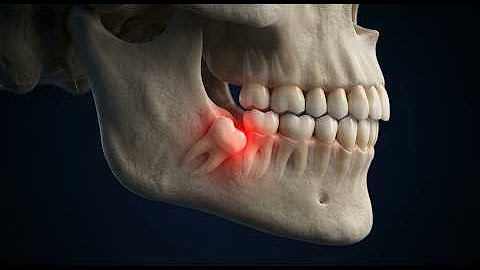

Most families in Indian cities face a common dilemma when it comes to their teenager’s oral health: dealing with the emergence of wisdom teeth. It’s a situation where parents are often advised to consider wisdom tooth removal as a preventive measure to avoid future complications. But what if you decide to delay this procedure? What are the potential risks and consequences of putting off wisdom tooth removal? Let’s explore this further. Many parents in tier-1 cities like Mumbai or Delhi have access to quality dental care, but the decision to remove wisdom teeth is not always straightforward. The cost of wisdom tooth removal in a private clinic can range from ₹5,000 to ₹20,000, depending on the complexity of the procedure. Knowing about Best wisdom tooth removal treatment in India ahead of time gives you a much clearer picture of what to expect.
Understanding Wisdom Teeth
Wisdom teeth, also known as third molars, typically start coming in between the ages of 17 and 25. For some people, these teeth come in normally and do not cause any issues. However, for many others, wisdom teeth can become impacted, meaning they do not have enough room to come in properly. This can lead to a range of problems, including pain, infection, and damage to surrounding teeth. In government hospitals, the cost of wisdom tooth removal is significantly lower, but the waiting period can be longer. Here is the thing though: delaying wisdom tooth removal can exacerbate these issues. What most people miss is that impacted wisdom teeth can also lead to cysts or tumors, which can further complicate the situation. The role of wisdom tooth removal in preventing these complications cannot be overstated.
The Risks of Delaying Wisdom Tooth Removal
If you delay wisdom tooth removal, you may be putting your oral health at risk. One of the main concerns is that impacted wisdom teeth can become infected, leading to serious health issues. The risk of infection is a significant concern, especially if the wisdom tooth is partially erupted, creating a trap for bacteria. Additionally, delayed wisdom tooth removal can also lead to more complex and costly procedures down the line. For example, if the impacted tooth causes significant damage to surrounding teeth or bone, more extensive surgical procedures may be required to repair the damage. Families who consulted a dentist about their child’s wisdom teeth were often advised to monitor the situation closely to avoid these complications. The cost of repairing damaged teeth or bone can range from ₹10,000 to ₹50,000 or more, depending on the extent of the damage.
Preparing for Wisdom Tooth Removal
So, what can you do to prepare for wisdom tooth removal? First, it’s essential to consult with a dentist or oral surgeon to determine the best course of action for your specific situation. They will assess the position and condition of your wisdom teeth and recommend a treatment plan. If removal is necessary, they will explain the procedure, including the risks and benefits, and answer any questions you may have. In tier-2 cities like Pune or Chennai, the availability of quality dental care may be limited, but it’s still possible to find a reputable dentist or oral surgeon. When preparing for wisdom tooth removal, it’s crucial to follow your dentist’s instructions carefully to ensure a smooth and safe procedure. This may include avoiding certain foods or activities before the procedure and taking prescribed medications as directed.
What to Expect After Wisdom Tooth Removal
After wisdom tooth removal, you can expect some discomfort, swelling, and bleeding. Your dentist or oral surgeon will provide instructions on how to manage these symptoms and promote healing. It’s essential to follow their advice carefully to minimize the risk of complications. In some cases, patients may experience dry socket, a painful condition that occurs when the blood clot that forms over the socket is dislodged. However, with proper care and attention, most people can recover from wisdom tooth removal without significant issues. What happens if you delay wisdom tooth removal is that you may be more likely to experience these complications. The consequences of delaying wisdom tooth removal can be significant, so it’s crucial to prioritize your oral health and seek professional advice if you’re unsure about what to do. Many families describe their first interaction with Wisdom tooth surgery in India as the moment things started to make sense.
Frequently Asked Questions
Q1: What is the average cost of wisdom tooth removal in India?
The average cost of wisdom tooth removal in India can range from ₹5,000 to ₹20,000 or more, depending on the location, dentist, and complexity of the procedure. In government hospitals, the cost is significantly lower, but the waiting period can be longer.
Q2: Is wisdom tooth removal a painful procedure?
While wisdom tooth removal can be uncomfortable, most dentists and oral surgeons use anesthesia or sedation to minimize pain during the procedure. After the procedure, you may experience some discomfort, which can be managed with pain medication.
Q3: What are the risks of not removing impacted wisdom teeth?
The risks of not removing impacted wisdom teeth include infection, damage to surrounding teeth or bone, and the development of cysts or tumors. Delaying wisdom tooth removal can lead to more complex and costly procedures down the line.
Q4: Can I delay wisdom tooth removal if I’m not experiencing any symptoms?
Even if you’re not experiencing any symptoms, it’s essential to consult with a dentist or oral surgeon to determine the best course of action. They can assess the position and condition of your wisdom teeth and recommend a treatment plan to prevent future complications. Not sure what to look for? Starting with SmyleXL Trusted Dental Care Chain is a practical way to get your bearings.
Q5: How long does it take to recover from wisdom tooth removal?
The recovery time for wisdom tooth removal can vary depending on the individual and the complexity of the procedure. Generally, most people can return to their normal activities within a few days to a week after the procedure.
Conclusion
In conclusion, delaying wisdom tooth removal can have significant consequences for your oral health. What happens if you delay wisdom tooth removal is that you may be putting yourself at risk for infection, damage to surrounding teeth or bone, and more complex procedures down the line. It’s essential to prioritize your oral health and seek professional advice if you’re unsure about what to do. The role of wisdom tooth removal in maintaining good oral health cannot be overstated. When considering wisdom tooth removal, it’s crucial to weigh the potential risks and benefits and make an informed decision. By taking proactive steps to address impacted wisdom teeth, you can help prevent future complications and maintain a healthy, beautiful smile. Ultimately, finding the right solution for your wisdom tooth removal needs requires careful consideration and consultation with a qualified dentist or oral surgeon.