
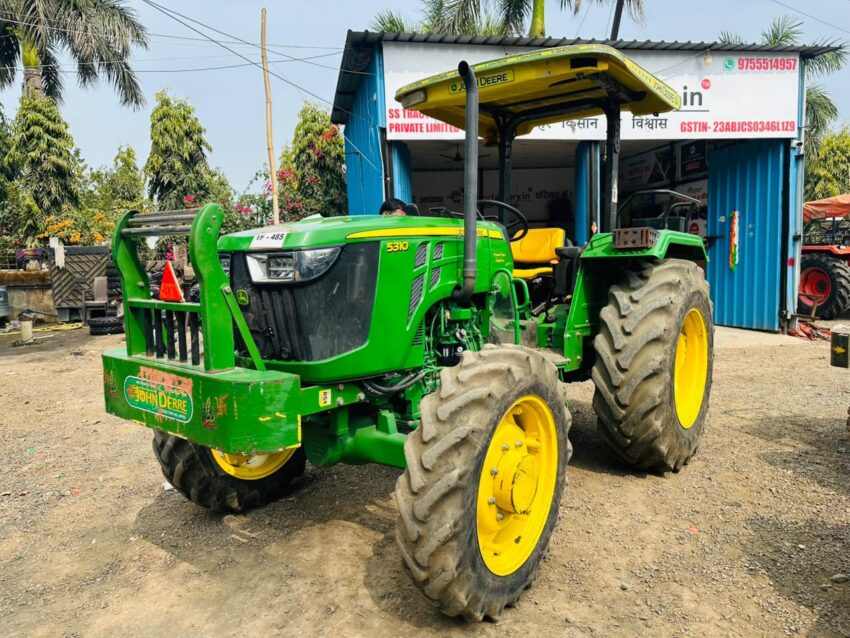
There’s something different about an old tractor. You feel it the moment the engine starts. The sound is rougher, heavier, and honestly… more honest somehow. Modern tractors may come with digital screens and smoother controls, but many farmers still trust those older machines that have spent years in the fields without giving up halfway through harvest season.
I’ve seen farmers in villages keep the same tractor running for fifteen or even twenty years. Not because they can’t buy a new one, but because the machine simply works. That reliability matters more than shiny paint when crops are waiting and weather changes suddenly.
Why Farmers Still Prefer an Old Tractor
A lot of people assume older tractors are outdated. That part surprised me too when I first started talking with experienced farmers. Many of them actually prefer old tractor models because they are easier to repair and cheaper to maintain.
New tractors often depend heavily on electronics. One small sensor issue can stop the whole machine. With an older tractor, local mechanics usually know every nut and bolt already. Parts are easier to source in local markets, and repairs don’t always require expensive company service visits.
For small farmers especially, an old tractor becomes a practical investment instead of a financial burden. Fuel consumption is often manageable, maintenance costs stay lower, and the machine can still handle ploughing, trolley work, and cultivation without much trouble.
The Emotional Connection Is Real
People rarely talk about this part, but tractors are emotional machines in farming families. An old tractor is often connected to memories — first harvests, family land expansion, difficult years survived somehow. You notice it quickly once you start using it around experienced farmers.
Some tractors are passed from father to son almost like a family tool rather than a vehicle. The scratches, faded paint, and repaired seats tell stories no new tractor can carry.
I once met a farmer who still used a thirty-year-old tractor during wheat season. He laughed while saying, “This tractor understands my land better than I do.” Sounds funny at first, but after watching that machine work nonstop for hours, I understood what he meant.
Maintenance Makes the Biggest Difference
An old tractor survives because someone takes care of it properly. That’s really the secret behind most long-lasting machines.
Regular engine oil changes matter more than people think. Dirty filters reduce power gradually, and many owners ignore them until performance drops badly. Greasing moving joints also keeps the tractor smoother during heavy field work.
Tyres are another overlooked issue. Worn tyres reduce grip and increase fuel usage. Honestly, many people overlook this. They spend money repairing engines while ignoring simple tyre replacement that could improve overall performance immediately.
Battery care becomes important too, especially during monsoon months when tractors sometimes remain unused for several days. Keeping electrical wiring dry and clean saves a lot of future headaches.
Buying a Used Tractor Needs Patience
The second hand tractor market in India has grown massively over the last few years. Some buyers get excellent deals. Others regret their purchase within months because they rushed the process.
Checking engine condition should always come first. A tractor may look polished outside but still hide internal problems. Excessive smoke, unusual engine vibration, or oil leakage usually indicate deeper mechanical issues.
Test driving matters more than appearance. Listen carefully during gear shifting. Rough transmission sounds can become expensive repairs later. Hydraulic lifting capacity should also be tested properly because weak hydraulics affect farming efficiency directly.
It also helps to check service records if available. Older tractors with consistent maintenance history generally perform better than neglected machines with fewer working years.
Fuel Efficiency Still Matters in Older Models
Many older tractors are surprisingly fuel-efficient when maintained properly. People often assume old engines automatically consume excessive diesel, but that’s not always true.
Engine tuning plays a major role here. Clean injectors, proper air filters, and balanced tyre pressure can improve mileage noticeably. Farmers who understand their machine’s working habits usually manage fuel expenses much better.
Driving style changes things too. Continuous overloading damages engine efficiency slowly over time. Some tractor owners use the same machine for every task beyond its intended capacity, and eventually performance suffers.
A properly balanced old tractor can still complete daily agricultural work without draining diesel unnecessarily.
Spare Parts Availability Keeps Them Alive
One reason old tractor models continue surviving in rural India is simple — spare parts are still widely available.
Local tractor markets often stock affordable replacement parts for older models because demand remains strong. Mechanics are familiar with common problems, which reduces repair time significantly.
This accessibility gives farmers confidence. If a machine stops during peak farming season, they know repairs can happen quickly without waiting weeks for company-authorized service centres.
That reliability becomes priceless during harvesting periods when every single day matters.
Older Tractors Handle Tough Conditions Well
Modern tractors definitely offer comfort, but old tractors are often built like solid working machines meant for rough land conditions.
Heavy metal bodies, simple engineering, and durable chassis allow many older tractors to survive extreme heat, muddy fields, and overloaded trolley work. Some of these machines have already worked across thousands of acres yet continue functioning reliably.
You can still find decades-old tractors carrying sugarcane loads or working in deep cultivation areas where lighter machines struggle.
The steering may feel heavier. The seats may not be comfortable after long hours. But the pulling strength remains impressive even today.
Restoring Old Tractors Has Become Popular
Interestingly, old tractor restoration has started gaining attention among younger farming enthusiasts too.
Some owners repaint classic tractor models, rebuild engines, and restore original parts almost like preserving farming history. It’s not always about business value. Sometimes people simply enjoy bringing an old machine back to life.
A restored tractor also attracts attention during village fairs, agricultural exhibitions, and local farming events. Older models carry a rugged appearance that newer machines sometimes lack.
And honestly, seeing a fully restored vintage tractor working again feels strangely satisfying.
Choosing Between Old and New Depends on Need
There’s no universal answer when choosing between an old tractor and a brand-new one. The right choice depends on farm size, budget, workload, and maintenance capability.
Large commercial farms may benefit from modern features and advanced attachments. Smaller farms, however, often find better value in well-maintained old tractors that continue performing basic agricultural tasks effectively.
What matters most is condition, not age alone.
Some ten-year-old tractors perform terribly because of neglect. Meanwhile, carefully maintained older machines continue running smoothly year after year.
That’s why experienced buyers focus more on engine health and maintenance history rather than model year alone.
Old tractors may not look modern, but many of them still earn their place in Indian farming every single season. They carry experience, durability, and practicality in a way that newer machines sometimes struggle to match. And once you spend enough time around farms, you start realizing why so many people still trust them without hesitation.
https://www.codifypedia.com/blog/Explore-Why-Old-Tractors-In-Bhopal-Remain-Popular-Among-Farmers