
Introduction
Depression and anxiety disorders are common among many people worldwide. The disorders have an impact on the mood, sleep, energy, and activities of a person. Many people in the USA, Canada, and Australia have been looking for ways through which they can treat and manage their condition. When people get help, they can lead healthier and productive lives.
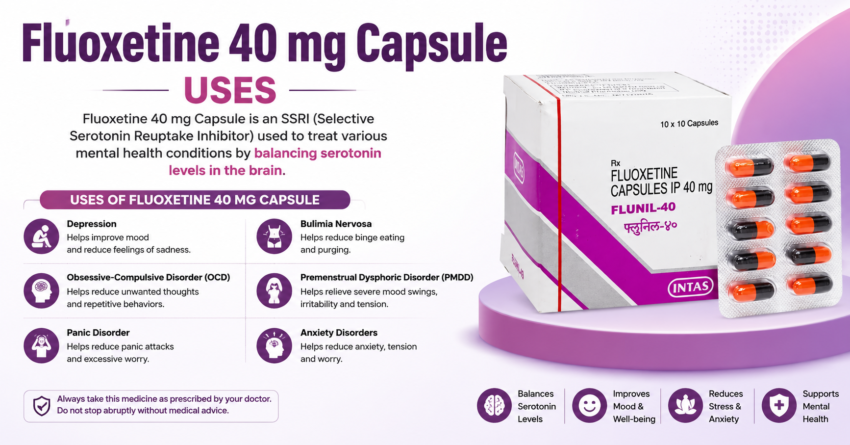
Mental health professionals tend to advise various methods depending on how serious the symptoms are. It is possible that some patients would be helped by therapy, lifestyle modifications, or some drugs. One of the medicines that might be prescribed is a Fluoxetine 40 mg tablet for depression and anxiety disorders. Nonetheless, it is important for the patients to follow the medical recommendations and take medications under professional supervision only.
Another frequently prescribed drug is Fluxican 60 Mg (Fluoxetine). It is prescribed by the doctor in accordance with the specific patient’s condition and previous medical history. The drug belongs to the group of antidepressants that normalize the level of serotonin in the brain. Citizens of such countries as the USA, Canada, and Australia often receive individual treatment that includes medications and therapy.
Understanding Depression and Anxiety Disorders
Depression and anxiety disorders are very common mental illnesses. Depression usually results in feelings of sadness, hopelessness, and lack of interest in activities. An anxiety disorder may result in extreme worry, fear, nervousness, and panic attacks.
Such disorders can happen at any age. Stress, genetics, traumatic events, and chemical imbalances in the brain may be causes of these disorders. Proper treatment is essential in order to avoid aggravation of symptoms.
Signs and Symptoms
People with depression and anxiety disorders may experience:
-
Persistent sadness
-
Constant worry or fear
-
Difficulty sleeping
-
Fatigue and low energy
-
Trouble concentrating
-
Changes in appetite
-
Loss of interest in hobbies
-
Irritability and mood changes
-
Feelings of hopelessness
-
Physical symptoms such as headaches or muscle tension
Symptoms vary from person to person. Therefore, proper evaluation by a healthcare professional is important.
Psychotherapy and Counseling
Psychotherapy is one of the most efficient treatments of anxiety and depression disorders. Therapists assist patients in comprehending their thought processes, feelings, and actions. Also, they give advice concerning coping skills that lead to improvement of psychological condition.
Cognitive Behavioral Therapy is a widely used method for treatment of such disorders. It enables the person to become aware of his/her negative thought processes and replace them with positive thinking. There are many healthcare organizations in the USA, Canada, and Australia offering cognitive behavioral therapy for treatment of mental disorders.
Regular consultations of counselor can help a person cope with stress.
Lifestyle Changes That Support Recovery
Healthy habits can improve treatment results and support emotional balance. Simple lifestyle changes often make a big difference.
Exercise Regularly
Physical activity releases chemicals that improve mood. Walking, swimming, yoga, and cycling can help reduce symptoms of depression and anxiety.
Eat a Balanced Diet
Nutritious foods provide essential vitamins and minerals that support brain health. Fresh fruits, vegetables, whole grains, and lean proteins contribute to better mental well-being.
Get Enough Sleep
Good sleep helps the brain recover and regulate emotions. Adults should aim for seven to nine hours of quality sleep every night.
Reduce Stress
Stress management techniques such as meditation, deep breathing, and mindfulness can lower anxiety levels and promote relaxation.
Social Support Matters
Good connections can enhance emotional well-being. Support from family, friends, and support groups is invaluable during tough times. Expressing emotions reduces feelings of loneliness and develops a feeling of connectedness.
There are many support groups in the US, Canada, and Australia that provide counseling facilities and other programs related to mental well-being for individuals suffering from depression and anxiety disorders.
Importance of Professional Treatment
People must never ignore any symptoms of depression or anxiety, as neglecting them might have an impact on work, personal life, and even one’s general well-being. Physicians will assess your symptoms and formulate a treatment plan for you individually.
Follow-ups are essential for monitoring your improvement and making necessary adjustments.
Self-Care Strategies
Self-care plays an important role in recovery. Individuals can improve their mental health by:
-
Maintaining a daily routine
-
Practicing relaxation techniques
-
Limiting alcohol consumption
-
Avoiding recreational drugs
-
Spending time outdoors
-
Engaging in hobbies and enjoyable activities
-
Setting realistic goals
-
Seeking help when needed
These healthy practices complement professional treatment and improve emotional balance.
When to Seek Immediate Help
People should seek urgent medical attention if they experience:
-
Thoughts of self-harm
-
Severe panic attacks
-
Extreme hopelessness
-
Sudden changes in behavior
-
Inability to perform daily activities
Immediate support from healthcare professionals can provide safety and appropriate care.
Conclusion
Both depression and anxiety disorders can be cured diseases. With early diagnosis, proper counseling, healthy living, support from family and friends, as well as professional assistance, people are able to overcome the disorder and improve the quality of their life. In the USA, Canada, and Australia, many patients are able to manage these disorders due to proper treatment.