
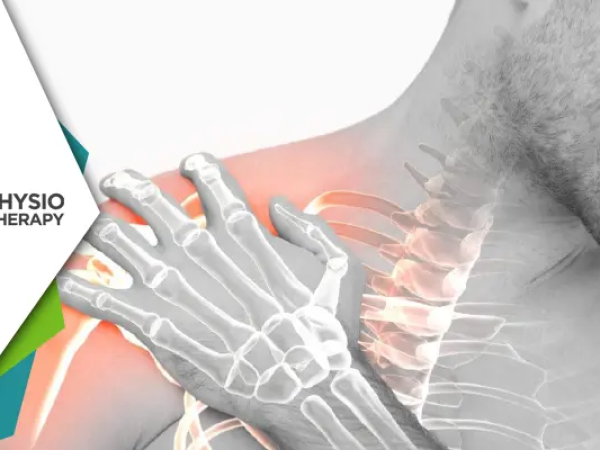
We often treat daily physical discomfort—like a stiff neck after a long Zoom call, a dull ache in the lower back when standing up, or tight shoulders at the end of the week—as an unavoidable part of modern life. It is easy to ignore these minor warning signs and rely on temporary fixes like painkillers or heat packs. However, unaddressed structural strain eventually causes your body to alter its natural movement patterns, leading to chronic joint wear and muscle imbalances.
Opting for professional Physiotherapy Treatment in Edinburgh is the most reliable way to identify the mechanical root causes of everyday aches and pains. In 2026, modern clinical physical therapy has evolved past generic massage techniques; it is a highly specialized, evidence-based discipline engineered to restore optimal movement patterns, build muscular resilience, and permanently eliminate the cycle of recurring discomfort.
1. Deconstructing the Root Causes of Daily Musculoskeletal Discomfort
Everyday aches are rarely caused by a single, traumatic event. Instead, they are usually the result of repetitive micro-trauma—small, continuous stresses placed on your tissues over a long period.
-
The Impact of Prolonged Sedentary Behavior: Sitting at a desk for hours forces your hip flexors into a shortened state while leaving your glutes inactive. This muscle imbalance pulls your pelvis forward, creating chronic tension in your lumbar spine.
-
The Clinical Solution: Comprehensive Physiotherapy Treatment in Edinburgh begins by analyzing these daily movement habits. By identifying which muscles are overworked and which are inactive, a physiotherapist can design a targeted plan to restore structural balance to your body.
2. Advanced Manual Therapy: Restoring Joint and Tissue Mobility
When a joint is restricted or a muscle is chronically tight, it limits your overall range of motion. Manual therapy is a core component used by clinicians to restore fluid, pain-free movement.
-
Targeted Joint Mobilisation: This involves applying precise, graded manual pressure to stiff joints. This hands-on technique reduces joint restriction and stimulates the production of synovial fluid, which naturally lubricates the joint surface.
-
Myofascial Trigger Point Release: Chronic stress can cause tight knots to form within muscle fibers, cutting off localized blood flow and causing referred pain. Specialized soft-tissue manipulation releases these trigger points, providing immediate relief from tension.
3. Custom Exercise Prescription: Building Long-Term Structural Buffers
While hands-on manual therapy helps relieve pain in the short term, movement is the key to permanent recovery. A customized exercise program is what keeps the pain from returning.
-
Bespoke Strengthening Protocols: Rather than handing you a generic workout sheet, an experienced physiotherapist creates specific exercises tailored to your lifestyle. This ensures you build strength in the exact muscle groups needed to protect your joints during daily tasks.
-
Progressive Tissue Loading: To ensure lasting resilience, your rehabilitation plan will gradually increase exercise intensity. This progressive load stimulates your tendons and muscles to adapt and grow stronger, creating a protective buffer against future strain.
4. Correcting “Tech Neck” and Postural Strain
With the widespread adoption of remote and hybrid work models, spinal issues related to device usage have reached an all-time high.
-
The Weight of Your Head: For every inch your head tilts forward over your phone or laptop, you add roughly 10 pounds (approx. 4.5 kg) of extra pressure to your cervical spine. This causes severe strain on the muscles at the base of your skull and across your upper back.
-
Ergonomic Integration: Effective Physiotherapy Treatment in Edinburgh includes a detailed review of your workstation ergonomics. Your therapist will provide practical advice on monitor height, chair support, and regular “mobility snacks”—quick movements designed to break up long periods of sitting.
5. Utilizing 2026 Recovery Technologies for Faster Healing
Modern physiotherapy clinics in the capital integrate cutting-edge medical technologies alongside traditional rehabilitation methods to accelerate your recovery.
-
Localized Laser Therapy: This non-invasive treatment uses specific wavelengths of light to penetrate deep into damaged tissues, lowering localized inflammation and speeding up cellular repair.
-
Biofeedback Diagnostics: Digital sensors show you exactly how your muscles are firing in real-time. This visual feedback helps you learn to activate underused muscles correctly, ensuring you perform every rehab exercise with perfect form.
6. The Psychological Benefits of Understanding Your Pain
Pain is a complex experience coordinated by the nervous system. When you don’t understand why a body part hurts, it can create anxiety, which often causes you to overprotect the area and make the stiffness worse.
-
Pain Education: A major benefit of professional physical therapy is gaining a clear understanding of your body’s mechanics. When you know why a muscle feels tight, you lose the fear of movement.
-
Restoring Confidence: By safely guiding you through the movements you’ve been avoiding, your physiotherapist helps retrain your brain to see those actions as safe, restoring your confidence in your body’s abilities.
Conclusion: Take Proactive Control of Your Daily Mobility
Everyday aches and pains are your body’s way of letting you know that its mechanical systems are being overloaded. Ignoring these early warning signs often transforms minor, manageable stiffness into chronic, lifestyle-limiting pain down the road. By investing in professional Physiotherapy Treatment in Edinburgh, you gain access to precision diagnostics, expert manual therapy, and advanced recovery tools designed to resolve issues before they escalate. Don’t wait for your movement to become restricted—partner with a qualified physical therapist today and rediscover the freedom of living pain-free.