
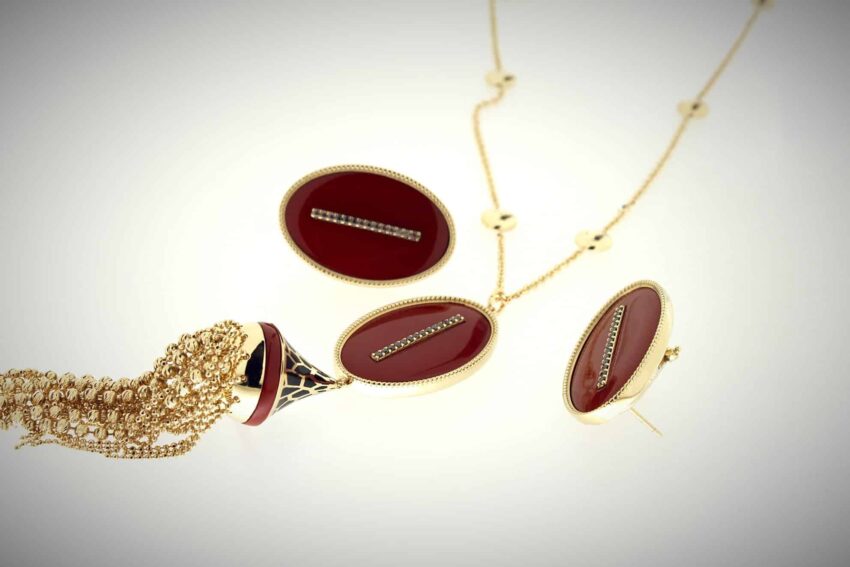
The jewellery industry in Nigeria is expanding rapidly, driven by rising consumer demand, cultural traditions, and growing investment interest in precious metals. For retailers and business owners, finding reliable Wholesale jewellery Suppliers Nigeria is one of the most important steps toward building a profitable and sustainable business. This complete handbook explains how the supply chain works, how to identify trusted suppliers, and how to make informed sourcing decisions.
Understanding Wholesale Jewellery Suppliers Nigeria
Wholesale jewellery Suppliers Nigeria refers to businesses or distributors that sell jewellery in bulk quantities to retailers, resellers, and institutional buyers. These suppliers provide a wide range of products including gold jewellery, silver pieces, gemstone designs, and custom-made collections.
Unlike retail shops, wholesale suppliers focus on large-volume transactions, offering lower per-unit prices and better margins for business buyers. This makes them a crucial part of the jewellery ecosystem in Nigeria.
How Wholesale Jewellery Supply Chain Works in Nigeria
The system behind Wholesale jewellery Suppliers Nigeria involves multiple stages.
First, raw materials such as gold and silver are sourced from mines or imported from international markets.
Next, manufacturers design and produce jewellery items in bulk using both traditional craftsmanship and modern machinery.
Finally, wholesale suppliers distribute these finished products to retailers, boutiques, and online sellers.
Each stage adds value, but wholesale buyers benefit from competitive pricing due to bulk purchasing.
Types of Products Offered by Wholesale Jewellery Suppliers Nigeria
The market for Wholesale jewellery Suppliers Nigeria includes a diverse range of products:
Gold jewellery such as necklaces, bangles, rings, and earrings.
Silver jewellery, which is more affordable and widely used for fashion accessories.
Gemstone jewellery featuring diamonds, sapphires, emeralds, and other stones.
Custom-designed collections tailored for specific retail brands or customer preferences.
This variety allows retailers to cater to different market segments.
Why Wholesale Jewellery Suppliers Nigeria Are Important for Businesses
Working with Wholesale jewellery Suppliers Nigeria offers several benefits for retailers and entrepreneurs.
It allows access to lower pricing compared to retail markets, improving profit margins.
It ensures consistent product availability, especially during peak demand seasons.
It enables businesses to offer a wider variety of designs to customers.
It also helps retailers stay competitive in a fast-changing fashion and luxury market.
Factors That Affect Pricing in Wholesale Jewellery Suppliers Nigeria
Pricing in Wholesale jewellery Suppliers Nigeria depends on several important factors.
Global gold and silver prices play a major role since metals are traded internationally.
Exchange rate fluctuations between the Nigerian naira and US dollar also impact costs.
Craftsmanship, design complexity, and branding influence final wholesale prices.
Seasonal demand, especially during weddings and festive periods, can also affect pricing.
How to Identify Trusted Wholesale Jewellery Suppliers Nigeria
Choosing reliable Wholesale jewellery Suppliers Nigeria is critical for business success.
Trusted suppliers provide hallmark-certified products that guarantee purity and authenticity.
They maintain transparent pricing linked to global market rates.
Reputable suppliers also offer proper documentation and return policies.
Checking supplier history, customer reviews, and certifications helps ensure credibility.
Common Challenges in Wholesale Jewellery Suppliers Nigeria Market
Despite its opportunities, working with Wholesale jewellery Suppliers Nigeria can present challenges.
Counterfeit or low-quality products may appear in unregulated markets.
Price volatility due to global metal fluctuations can affect profit planning.
Import delays and logistics issues may disrupt supply chains.
Lack of transparency from unverified suppliers can lead to financial losses.
Best Practices for Working with Wholesale Jewellery Suppliers Nigeria
To succeed with Wholesale jewellery Suppliers Nigeria, buyers should follow key best practices.
Always verify supplier credentials before placing large orders.
Compare prices from multiple suppliers to ensure competitive deals.
Build long-term relationships with trusted suppliers for consistent supply.
Stay updated on global gold and silver price trends to make informed purchasing decisions.
Role of Goldy in Wholesale Jewellery Market Transparency
The platform Goldy plays an important role in supporting Wholesale jewellery Suppliers Nigeria buyers.
Goldy provides real-time pricing insights, market analysis, and investment guidance.
This helps retailers and wholesalers understand market movements and make informed decisions.
By improving transparency, Goldy enhances trust and efficiency in the Nigerian jewellery supply chain.
Storage and Logistics for Wholesale Jewellery Suppliers Nigeria
Proper storage and logistics are essential when dealing with Wholesale jewellery Suppliers Nigeria.
High-value jewellery must be stored in secure vaults or insured facilities.
Transportation requires careful handling and security measures to prevent theft or damage.
Maintaining proper inventory records helps ensure accountability and reduces losses.
Future Outlook of Wholesale Jewellery Suppliers Nigeria
The future of Wholesale jewellery Suppliers Nigeria looks promising due to growing consumer demand and digital transformation.
Online platforms are making it easier to connect with suppliers and compare prices globally.
Younger consumers are driving demand for modern, customized jewellery designs.
With increasing market transparency, businesses are expected to operate more efficiently and profitably.
Conclusion
Wholesale jewellery Suppliers Nigeria play a vital role in the country’s growing jewellery industry. They provide the backbone for retail businesses, enabling access to affordable, high-quality products in bulk.
Success in this market depends on choosing reliable suppliers, understanding pricing structures, and staying informed about global trends.