
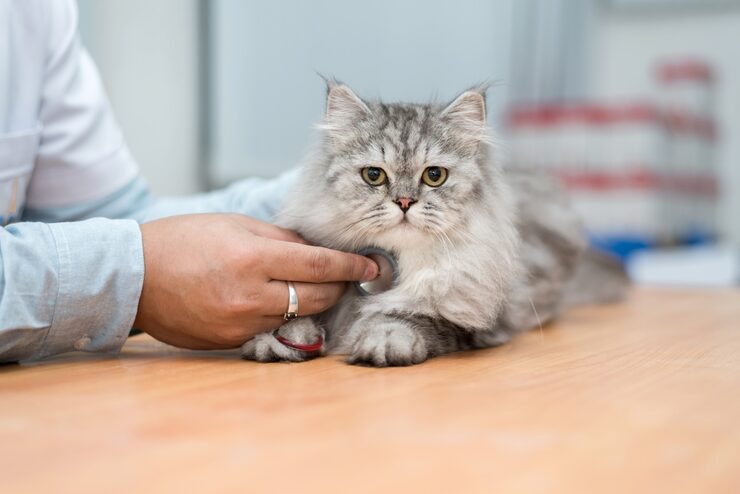
Pets bring joy, comfort, and companionship into your life. They also depend on you for food, love, and medical care. Cat insurance can help you prepare for unexpected vet bills, making it easier to focus on your pet’s health instead of the cost. A sudden illness or injury can happen without warning, and treatment often requires quick decisions. Planning ahead gives you more confidence when your cat needs medical attention.
Many pet owners expect to pay for routine checkups and vaccinations. Few expect emergency surgery, hospital stays, or advanced testing. These treatments can become expensive, especially when they happen without notice. A financial plan for veterinary care helps you handle these situations with less stress and greater peace of mind.
Why Emergency Vet Bills Can Be Hard to Predict
Cats are skilled at hiding pain and illness. By the time they show clear signs, they may already need urgent care. A simple change in appetite, breathing, or behavior can lead to tests, medication, or even surgery.
Accidents also happen when you least expect them. A fall, an injury, or swallowing a foreign object can quickly become an emergency. In these moments, your focus should stay on getting the right care instead of worrying about how to pay for it.
Emergency veterinary care often includes more than one service. Your cat may need:
- A physical examination
- Blood tests or other lab work
- X-rays or ultrasound imaging
- Hospital care and monitoring
- Surgery if needed
- Prescription medications
- Follow-up visits to track recovery
Each step plays an important role in finding the cause of the problem and helping your pet recover.
Understanding Cat Insurance Before You Need It
Learning how cat insurance works before an emergency gives you time to compare options and choose a plan that suits your needs. Most policies work through reimbursement. You pay the veterinary bill first, submit a claim, and receive payment for eligible costs based on your policy.
Coverage can vary between providers, but many plans help pay for:
- Accidents and injuries
- Illnesses and infections
- Emergency surgeries
- Hospital stays
- Diagnostic testing
- Prescription medications
- Specialist treatment for certain conditions
Many plans also have deductibles, reimbursement rates, waiting periods, and annual coverage limits. Reading these details before choosing a policy helps you avoid surprises later.
What Is Usually Not Included?
Insurance does not cover every veterinary expense. Understanding the limits of a policy helps you make informed decisions.
Many plans do not include:
- Pre-existing medical conditions
- Routine wellness visits
- Vaccinations
- Preventive dental care
- Grooming services
- Cosmetic procedures
Some companies offer optional wellness packages that cover preventive care. These plans usually come with an additional monthly cost.
Why Early Planning Makes a Difference
Many pet owners wait until their cat becomes sick before thinking about insurance. By then, it may be too late for that condition to qualify for coverage. Buying a policy while your pet is healthy often provides more options and better long-term value.
Early planning also helps you build a healthcare budget. You know what your monthly costs will be, and you reduce the chance of facing a large, unexpected expense all at once.
Good planning supports better medical decisions because you can focus on your veterinarian’s advice instead of financial pressure.
How Pet Insurance in Calgary Supports Responsible Pet Ownership
Veterinary medicine has advanced in many ways. Today, pets have access to better diagnostics, improved treatments, and specialized care. While these advances improve outcomes, they can also increase treatment costs.
This is one reason many families consider pet insurance in Calgary as part of responsible pet ownership. Insurance helps prepare for emergencies while allowing owners to seek timely medical care when their pets need it most.
A policy does not replace regular veterinary visits. Instead, it works alongside preventive care to protect your pet throughout different stages of life.
Whether your pet needs emergency surgery, treatment for an illness, or advanced diagnostic testing, having financial support can reduce stress during difficult moments.
Dog Insurance and Why It Matters Too
While many people focus on their cats, dogs also face unexpected health problems throughout their lives. Active dogs are more likely to suffer injuries from running, jumping, or playing outdoors. They can also develop illnesses that need long-term treatment.
Like plans for cats, dog insurance helps cover eligible veterinary expenses after an accident or illness. It gives families another layer of financial protection when medical care becomes necessary.
Whether you have a young puppy or an older dog, planning for future healthcare costs helps you avoid difficult choices during an emergency.
Choosing the Right Insurance Plan for Your Pet
Every pet has different healthcare needs. A younger pet may need basic accident and illness coverage, while an older pet may benefit from a more comprehensive plan.
Before choosing a policy, compare several important details.
Look at:
- The percentage of costs the insurer reimburses
- Annual or lifetime coverage limits
- Deductibles and monthly premiums
- Waiting periods before coverage begins
- Coverage for emergency surgery and hospitalization
- Exclusions for pre-existing conditions
Reading the policy carefully helps you understand what is covered and what is not. This allows you to choose a plan that fits both your pet’s needs and your budget.
Insurance Is Only One Part of Good Pet Care
Insurance helps with unexpected expenses, but it cannot replace regular veterinary care. Preventive healthcare remains one of the best ways to protect your pet.
Routine checkups help detect health concerns before they become serious. Your veterinarian can monitor weight, dental health, heart function, mobility, and overall wellness during each visit.
Good daily care also plays a major role in keeping your pet healthy.
Simple habits include:
- Feeding a balanced diet
- Providing clean water every day
- Keeping vaccinations up to date
- Maintaining a healthy weight
- Giving your pet regular exercise
- Watching for changes in behaviour or appetite
These steps reduce health risks and support a longer, healthier life.
Questions to Ask Before Buying a Policy
Buying insurance is an important decision. Asking the right questions helps you avoid confusion later.
Consider asking:
- What treatments are covered?
- Are hereditary or chronic conditions included?
- How are claims submitted?
- How long does reimbursement usually take?
- Are specialist referrals covered?
- Does the policy have annual payout limits?
Clear answers make it easier to compare different plans and choose one with confidence.
Making Smart Decisions for Your Pet’s Future
Preparing for unexpected veterinary costs is part of being a responsible pet owner. No one can predict when an illness or accident will happen, but you can prepare before it does.
Cat insurance gives you another way to protect your pet and reduce financial pressure during emergencies. It works best when combined with regular wellness exams, preventive care, and prompt medical attention whenever your pet shows signs of illness.
If you are looking for trusted veterinary care and guidance about protecting your pet’s long-term health, Silverado Veterinary Hospital is here to help. Regular checkups, early diagnosis, and professional treatment can make a meaningful difference throughout your pet’s life. Visit us to learn how our team can support your pet’s health at every stage.
Frequently Asked Questions
1. Is cat insurance worth buying?
Many pet owners find it valuable because it helps manage unexpected veterinary costs caused by accidents or illnesses. It can reduce financial stress during emergencies.
2. What does cat insurance usually cover?
Most plans cover eligible expenses related to accidents, illnesses, surgery, hospitalization, diagnostic tests, and prescription medications. Coverage depends on the policy you choose.
3. Does pet insurance in Calgary cover routine checkups?
Most standard plans do not include routine wellness visits or vaccinations. Some providers offer optional wellness coverage for preventive care.
4. Can I buy insurance for an older cat?
Yes. Many providers offer coverage for senior cats, although premiums may be higher and some conditions may not qualify if they existed before enrollment.
5. Is dog insurance different from cat insurance?
Both work in a similar way and help cover eligible veterinary expenses. The cost, coverage options, and policy details may differ based on your pet’s age, breed, and health history.