
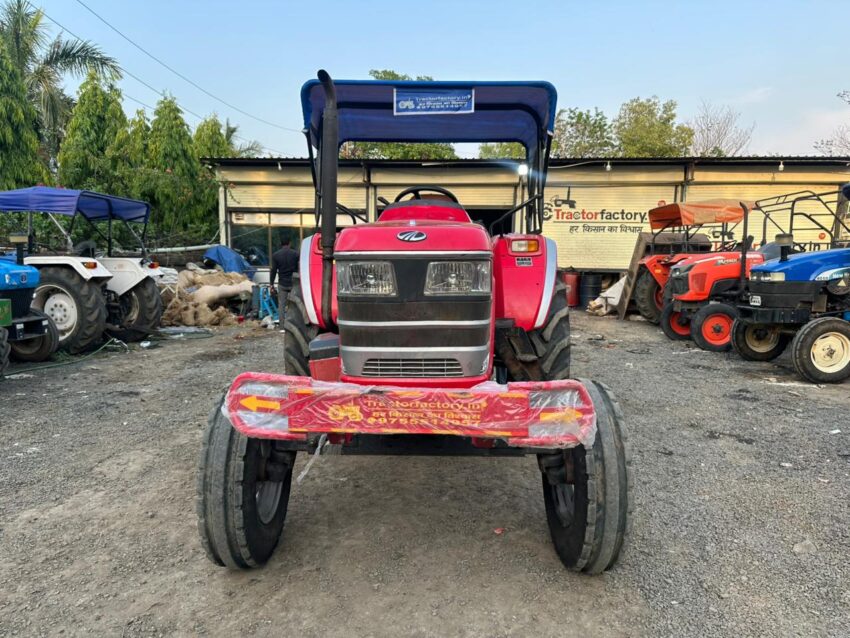
Second Hand Tractors: A Practical Choice That Still Delivers
Buying farming equipment isn’t always about getting the newest machine on the market. Many experienced farmers know that a well-maintained tractor with a few years of work behind it can perform just as reliably as a brand-new model. That’s exactly why second hand tractors continue to attract buyers across India. They offer dependable performance, lower investment, and often come with a history that tells you how the machine has been cared for.
I’ve met farmers who still use tractors purchased over a decade ago, and surprisingly, they continue to handle fieldwork without major issues. Good maintenance often matters far more than the manufacturing year. Once you spend some time around these machines, that becomes pretty obvious.
Why More Farmers Are Choosing Second Hand Tractors
The rising cost of agricultural machinery has changed the way many people buy equipment. Instead of stretching their budget for a new tractor, they look for a used model that still has years of productive life remaining.
A second hand tractor allows farmers to invest the money they save into irrigation, quality seeds, fertilizers, or livestock. That balance often makes a bigger difference to overall farm income than owning the latest machine.
Honestly, many people overlook this. A tractor is a working tool, not a showroom piece. If it starts easily, pulls efficiently, and has been serviced regularly, it can become one of the best investments on the farm.
A Good Tractor Always Leaves Clues
Experienced buyers rarely begin by checking the paint. They listen to the engine first.
A healthy engine usually starts without excessive smoke, unusual vibrations, or knocking sounds. The steering should feel responsive, gears should shift smoothly, and hydraulic functions should operate without hesitation. Small details often reveal how carefully the previous owner treated the machine.
Tyres also tell an interesting story. Even wear generally suggests balanced usage, while uneven patterns may indicate alignment or suspension problems.
That part surprised me too when I first learned about used tractors. Cosmetic appearance can be misleading, but mechanical condition rarely hides for long.
Budget-Friendly Without Feeling Like a Compromise
One reason second hand tractors remain popular is simple—they reduce financial pressure.
Instead of committing to a large loan, many buyers purchase a reliable used tractor at a significantly lower cost. Monthly expenses become easier to manage, especially during seasons when crop prices fluctuate.
For small and medium-sized farms, this flexibility matters. Saving several lakhs on equipment can create room for other essential investments throughout the year.
Choosing the Right Horsepower Matters More Than Age
Some buyers become too focused on finding the newest tractor available. In reality, selecting the correct horsepower is often more important.
A compact tractor may work perfectly for orchards and vegetable farms, while larger agricultural operations require more pulling capacity for heavy implements.
Buying excessive horsepower simply increases fuel consumption without providing additional value. On the other hand, choosing an underpowered tractor can slow every farming activity.
Matching the tractor to your land size and farming requirements usually produces the best long-term results.
Service Records Build Confidence
Whenever possible, ask about maintenance history.
Regular oil changes, scheduled servicing, filter replacements, and documented repairs provide valuable insight into how responsibly the tractor has been maintained.
A tractor with detailed service records often inspires much greater confidence than one with freshly painted body panels but no maintenance history.
You notice it quickly once you start using it. Machines that have been serviced consistently usually operate more smoothly throughout demanding farming seasons.
Popular Tractor Brands Hold Their Value
Several trusted tractor manufacturers have earned strong reputations because spare parts remain widely available and local mechanics understand their systems well.
This makes repairs faster and usually more affordable. It also helps maintain resale value if you eventually decide to upgrade.
Many buyers specifically search for established brands because they know replacement components can be found without much difficulty, even in smaller towns.
Don’t Skip the Test Drive
A proper inspection should always include a test drive across different surfaces. Drive forward and reverse, test every gear, engage the PTO, lift hydraulic implements if possible, and listen carefully while the engine operates under load.
Brakes should respond evenly without pulling to one side. Steering shouldn’t require excessive effort, and unusual noises deserve attention before any purchase decision.
Buying From a Trusted Seller Makes a Difference
The source of the tractor matters almost as much as the tractor itself.
Reputable dealers generally inspect machines before listing them for sale. They may also provide basic documentation, ownership verification, and mechanical assessments that reduce uncertainty for buyers.
Platforms like Tractor Factory help connect buyers with inspected second hand tractors, making it easier to compare different models, specifications, and price ranges before making a decision.
Having multiple verified options in one place saves considerable time and reduces unnecessary travel.
Understanding Running Hours
Many buyers ask about manufacturing year first, but engine running hours deserve equal attention.
A tractor used occasionally for seasonal farming may actually be in better mechanical condition than a newer tractor that worked every single day for commercial operations.
Running hours should always be evaluated alongside servicing history and overall condition rather than treated as the only deciding factor.
Small Repairs Shouldn’t Always Be a Deal Breaker
No used machine will be absolutely perfect.
Minor issues such as replacing lights, mirrors, seat cushions, or worn hoses are relatively inexpensive compared to major engine or transmission repairs.
Learning to distinguish between cosmetic wear and serious mechanical faults helps buyers negotiate confidently without rejecting otherwise excellent tractors.
Sometimes a tractor simply looks older than it actually performs.
Seasonal Demand Can Affect Pricing
Prices often fluctuate depending on agricultural seasons.
Before sowing periods, demand typically increases as farmers prepare for field operations. During slower months, buyers may find better deals because fewer people are actively shopping.
Being patient with timing occasionally results in noticeable savings.
Fuel Efficiency Still Matters
Even older tractors can remain surprisingly fuel-efficient when maintained correctly.
Clean fuel filters, healthy injectors, proper tyre pressure, and regular servicing all contribute to lower fuel consumption.
Ignoring maintenance eventually increases operating costs regardless of whether the tractor is new or used.
A well-maintained engine often rewards its owner every single working day.
Think Beyond the Purchase Price
The cheapest tractor isn’t always the best value.
Consider future maintenance, spare part availability, insurance costs, expected repairs, and compatibility with existing farming implements.
Looking at total ownership cost instead of purchase price alone usually leads to better long-term decisions.
Experienced farmers rarely regret spending slightly more on a dependable machine that continues working reliably season after season.
Real Value Comes From Reliable Performance
Every farm has different needs, and every tractor has its own history. The goal isn’t finding the newest machine—it’s finding one that works consistently when the field is ready and every hour counts.
A carefully selected second hand tractor can handle cultivation, transportation, harvesting support, and daily agricultural work with impressive reliability. When purchased through a trusted source like Tractor Factory, buyers gain access to quality options that fit different budgets and farming requirements.
The best tractor isn’t necessarily the one with the brightest paint or newest registration year. It’s the one that starts every morning, finishes the day’s work without complaint, and keeps doing that season after season. That’s the kind of value farmers remember long after the purchase is made.
https://www.launchora.com/story/best-places-to-buy-a-genuine-second-hand-tractor