
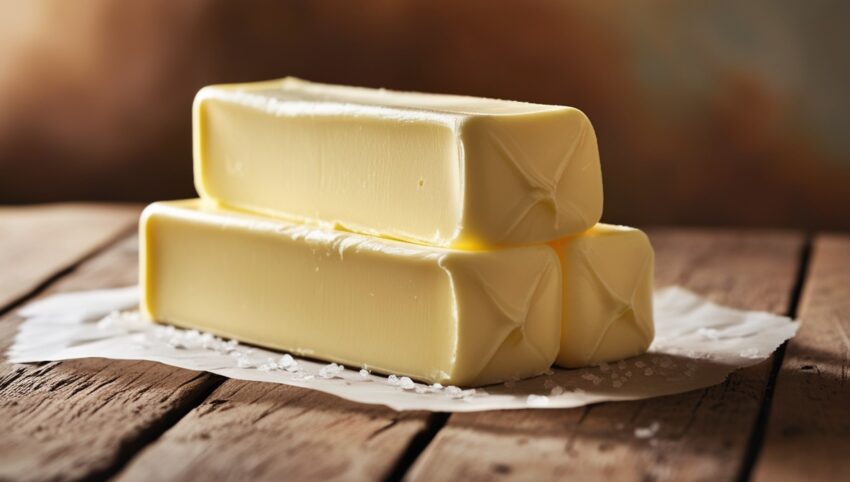
Butter is one of the most widely used dairy products in the world. It has been a part of everyday cooking and baking for generations and is used in homes, restaurants, bakeries, hotels, and food manufacturing industries. Whether it is spread on bread, used in cakes, added to sauces, or included in packaged foods, butter remains an important ingredient across many different applications.
Because butter is consumed every day in many countries, its market demand continues to change throughout the year. Businesses involved in dairy production, food processing, retail, wholesale trading, and procurement regularly monitor the Butter Price Trend. Understanding price trends helps companies estimate production costs, plan purchases, manage inventory, and make better business decisions.
👉 👉 👉 Please Submit Your Query For Butter Price Trend, Forecast And Market Analysis: https://www.price-watch.ai/book-a-demo/
What is Butter?
Butter is a dairy product made by churning fresh cream or milk until the fat separates from the liquid. The solid fat becomes butter, while the remaining liquid is known as buttermilk.
Butter is valued for its rich flavor, smooth texture, and versatility. It is widely used in baking, cooking, confectionery, dairy products, and processed foods. Many restaurants and food service businesses also use butter to improve the taste and texture of their recipes.
Besides traditional dairy butter, there are now different varieties available, including salted butter, unsalted butter, cultured butter, organic butter, and clarified butter. However, traditional butter made from milk remains the most commonly consumed variety worldwide.
Why is the Butter Price Trend Important?
The Butter Price Trend helps businesses understand how butter prices change over time.
Instead of focusing only on daily price updates, companies study price trends to identify long-term market patterns. Procurement teams use this information to decide the right time to purchase butter, while manufacturers use it to estimate production costs and prepare budgets.
Suppliers, wholesalers, retailers, and distributors also follow butter price trends to understand changing demand and market conditions.
Monitoring price trends helps businesses reduce uncertainty and improve long-term planning.
Factors That Influence Butter Prices
Several important factors affect butter prices. Understanding these factors makes it easier to explain why prices rise or fall during different periods.
Milk Production
The biggest factor affecting butter prices is the availability of milk.
Butter is made from cream, which comes from fresh milk. When milk production is high, butter manufacturers usually have enough raw material to meet market demand.
However, if milk production declines because of unfavorable weather, higher feed costs, or lower dairy farming activity, butter production may decrease, leading to higher prices.
Seasonal Changes
Milk production often changes with the seasons.
In some regions, dairy cows produce more milk during certain times of the year because of better grazing conditions and favorable weather.
During periods of lower milk production, butter supply may become limited, causing prices to increase.
Seasonal demand during holidays and festive periods can also influence butter prices.
Demand from the Food Industry
The food industry is one of the largest consumers of butter.
Butter is widely used in bakeries, confectionery, dairy products, restaurants, packaged foods, and ready-to-eat meals.
When food production increases, manufacturers require larger quantities of butter, which can support stronger market prices.
Growing demand for premium bakery products and dairy-based foods also contributes to steady consumption.
Consumer Preferences
Consumer buying habits play an important role in butter demand.
Many consumers continue to prefer butter because of its natural ingredients and traditional taste. In recent years, interest in minimally processed foods has supported demand for real butter in several markets.
Changes in consumer preferences toward healthier eating or alternative spreads may also influence market demand over time.
Feed and Farming Costs
The cost of raising dairy cattle directly affects butter production.
Farmers spend money on animal feed, veterinary care, labor, equipment, fuel, and farm maintenance.
When these costs increase, milk production becomes more expensive, which can eventually influence butter prices.
Lower farming costs may help stabilize milk supply and butter production.
Transportation and Storage Costs
Butter requires proper cold storage throughout transportation and distribution.
Refrigerated transportation, warehouse facilities, fuel prices, and logistics costs all contribute to the final selling price.
If transportation expenses increase, suppliers may adjust prices to cover the additional costs.
Efficient cold chain management helps maintain stable supply and pricing.
Understanding the Butter Price Trend
The Butter Price Trend provides valuable insight into overall market conditions.
Rising Price Trend
A rising trend means butter prices are increasing over time.
This usually happens when milk production declines, demand becomes stronger, farming costs increase, or supply becomes limited.
Businesses often monitor rising trends carefully and may purchase inventory before prices increase further.
Falling Price Trend
A downward trend indicates declining prices.
This may occur when milk production improves, supply exceeds demand, or dairy farming conditions become more favorable.
Lower prices often provide good purchasing opportunities for manufacturers and retailers.
Stable Market Conditions
Sometimes butter prices remain relatively stable for several months.
Stable pricing usually reflects balanced supply and demand.
During these periods, businesses can prepare procurement budgets and production plans more confidently.
Market Volatility
Large price changes over a short period indicate market volatility.
Volatility may result from changing weather conditions, feed price increases, transportation challenges, export demand, or unexpected changes in milk production.
Monitoring price trends helps businesses respond more quickly to these market changes.
Historical Price Trends
The butter market has experienced several pricing cycles over the years.
Historically, butter prices have been influenced by milk production, dairy farming costs, seasonal demand, export activity, and consumer purchasing behavior.
Periods of strong demand from bakeries, food manufacturers, and international buyers have often supported higher butter prices.On the other hand, increased milk production and improved dairy processing capacity have sometimes resulted in lower prices.
Global transportation disruptions, rising fuel costs, and changes in international dairy trade have also affected historical price movements.
Studying historical price trends helps businesses understand how the market has reacted under different economic and agricultural conditions.