
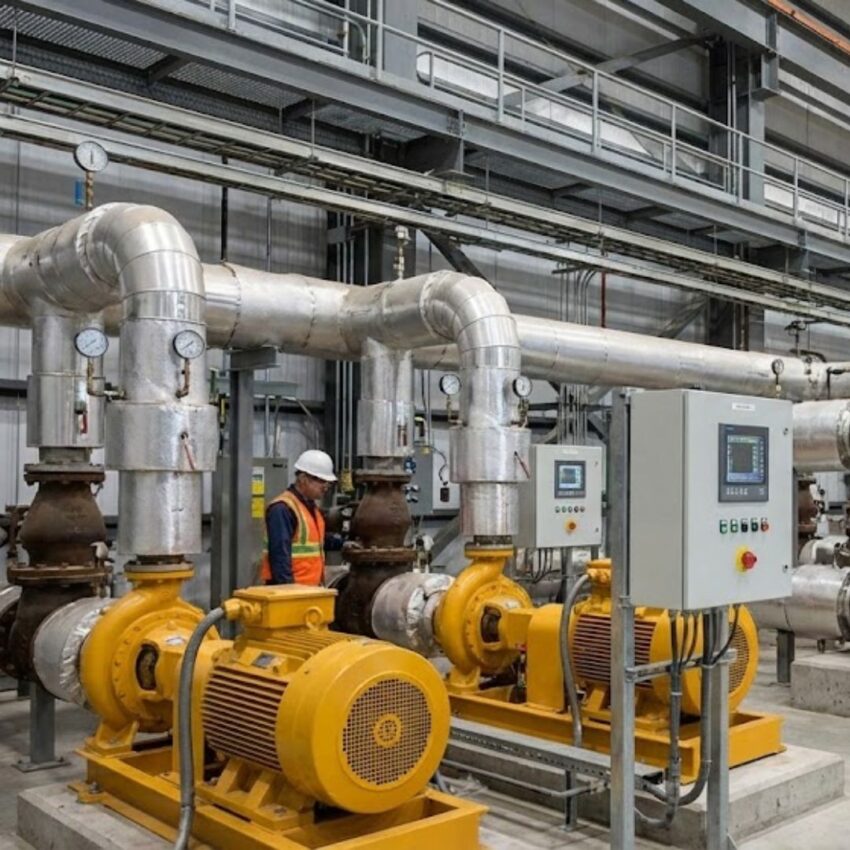
When a substation operates at peak capacity, the oil circulating inside the main tank acts as a lifeline, absorbing extreme internal heat before it can char the delicate paper insulation inside.
However, if the external heat-exchange system gets choked up by roadside dust, dead leaves, or mineral scaling, that thermal energy gets trapped right in the core.
This causes the internal oil temperature to skyrocket, rapidly aging the machine and threatening sudden, catastrophic insulation failures. Protecting these multi-million dollar substations relies entirely on establishing a proactive, regular maintenance routine for the power transformers coolers.
In A Nutshell
- Airflow Obstruction Checks: How does clearing debris from radiator fins restore optimal convective heat exchange?
- Oil Leak Detection: Tracking down minor weld fractures along the radiator header pipes before pressure drops.
- Fan and Pump Testing: Verifying motor currents and bearing wear to ensure active cooling stages kick in reliably.
A Field Guide To Inspecting & Maintaining Power Transformers Coolers
● Clear Debris & Blockages from Radiator Fin Pathways
Over months of continuous field operation, outdoor radiators naturally act like giant filters, trapping airborne cottonwood seeds, dirt particles, and bugs along the intake vents.
This buildup creates an insulating blanket that blocks the surrounding air from drawing heat out of the passing oil tubes.
To rectify this issue, field crews must perform a complete visual inspection and clean the fin assemblies using low-pressure water washes or compressed air from the clean side. Keeping these open passages free from environmental blockages is the first step toward optimizing power transformers coolers.
● Check for Structural Oil Leaks Along Radiator Header Welds
Because cooling loops tackle hot oil under continuous pump pressure, the joints where individual radiator panels meet the main collection headers are prone to physical vibration stress.
These constant micro-vibrations from the core can stress thin metal seams, causing tiny hairline cracks that slowly weep fluid onto the station pad. Left unchecked, even a minor weep will drop the fluid level below the top radiator pipes, stopping natural convective flow and overheating the system.
Maintenance teams need to closely check all flange gaskets, drain plugs, and weld lines using specialized UV dye or clean wipe tests to catch weeping fluid early. Catching these structural fluid leaks stops minor joint defects from ruining the health of the power transformers coolers.
● Verify Active Fan Motors & Oil Circulating Pump Performance
While natural air convection works fine during cold weather, a station requires active cooling fans and forced oil pumps to survive heavy summer loads.
If a cooling fan motor seizes up due to bad bearings or an oil pump propeller erodes over time, the system will rapidly overheat during peak power hours.
Field technicians should verify the health of these motors by measuring their running electrical current and listening for uneven mechanical noise or heavy vibrations. Plus, the flow of fluid through the heat exchangers is examined by looking at the rotation flags on the oil pumps to ensure it is in the correct direction.
Conclusion
Things can go south if clogged radiator fins, leaking oil welds or bad fan motors are not detected early enough, leading to premature insulation degradation or costly emergency shutdowns.
True operational safety is achieved by conducting clean airflow audits, testing active pump circuits and testing automated thermal sensors before the high load seasons begin.
For utility managers who want to streamline station maintenance and source quality components, procuring reliable accessories for power transformers, besides your heavy-duty radiator units, is the ideal way to make sure nothing is compromised.