
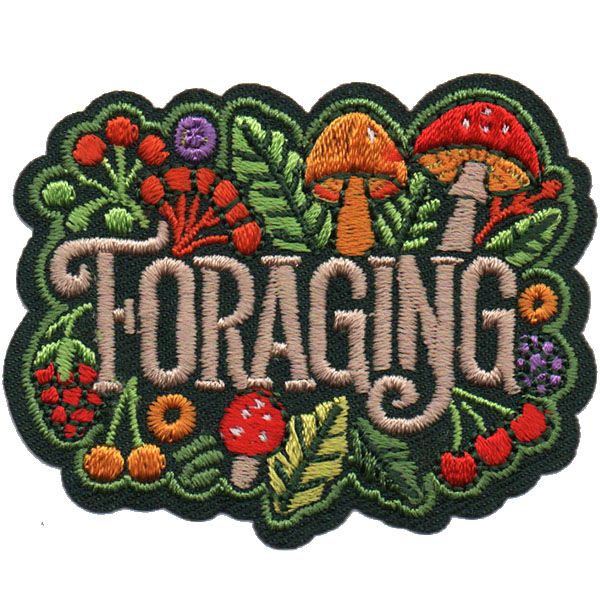
A name stitched onto fabric carries more weight than a printed one. That’s the main reason embroidered name patches remain a go-to choice across so many different worlds — work uniforms, motorcycle vests, sports jerseys, and even casual jackets people wear just for style. The texture and durability of thread give a name or title a permanence that print simply can’t match.
If you’re considering adding a name patch to your gear or your team’s uniforms, here’s what’s worth knowing before you order.
What Makes a Name Patch “Custom”
A custom name patch isn’t just a generic label pulled off a shelf. It’s built around your specific choices — the exact name or text, the font style, the thread color, the shape, and often the backing type. That flexibility is what separates a custom patch from the plain, pre-made “Staff” or “Manager” tags you’d find at a hardware store.
Because everything is made to order, custom patches tend to match a brand’s identity or a person’s individual style far more closely than off-the-shelf alternatives.
Common Uses for Name Patches
- Work uniforms – a clean, professional way to identify staff in retail, hospitality, or trades
- Motorcycle clubs – large, bold lettering for vests and jackets, often paired with chapter or location patches
- Sports and team gear – player names on jerseys, jackets, or bags
- Personal style – initials or nicknames added to backpacks, denim, or hats just for fun
Each use case calls for slightly different design choices. A biker patch, for example, is usually oversized and easy to read from a distance, while a work uniform patch tends to be smaller and more understated.
Choosing the Right Backing
The backing decides how the patch actually attaches to fabric, and it’s worth thinking through based on how often the item gets worn or washed:
- Sew-on – the most durable option, ideal for uniforms and daily wear
- Iron-on – fast to apply with a household iron or heat press, good for lighter use
- Velcro – lets you swap or remove the patch easily, popular for tactical or interchangeable setups
Some people combine methods — ironing a patch in place first, then reinforcing it with stitching for extra hold.
Planning Your Layout Before Ordering
Getting the proportions right before production saves a lot of back-and-forth later. Rather than eyeballing sizes and spacing, it helps to start from a structured layout. A Free Patch Design Template gives you a starting frame for text placement, border spacing, and overall proportions, so you’re refining an existing structure instead of guessing from a blank page.
Speeding Up the Design Process
If you don’t have design software or experience, there are now much faster ways to get from idea to concept. A Free Ai patch generator can take a short description — a name, a color scheme, a style reference — and produce a starting visual in seconds, which you can then refine before sending it off for production.
Final Thoughts
Whether you’re outfitting a team, branding a workplace, or just adding a personal touch to your jacket, a well-made embroidered name patch is a small detail that makes a lasting impression. Get the backing right for how the item will be used, keep the text simple and legible, and take advantage of templates or design tools to nail the layout before committing to production.