
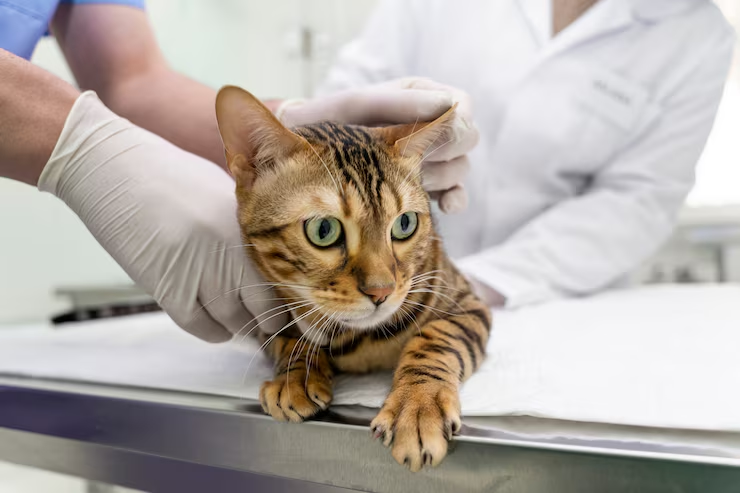
Cats often hide pain and illness better than most pets. By the time you notice a change, a health issue may have already progressed. A visit to a cat vet clinic should not begin only when your cat looks sick. Regular care helps catch problems early and keeps your pet healthy through every stage of life.
Many cat owners wait for obvious symptoms before booking an appointment. This approach can lead to more stress, longer treatment, and higher costs. Knowing when your cat needs veterinary attention helps you make better decisions for your pet’s health and comfort.
Your Kitten Needs Early Veterinary Care
The first year of a kitten’s life brings fast growth and major changes. During this stage, your pet needs regular health checks to support healthy development.
Early appointments help with:
- Vaccinations
- Parasite prevention
- Growth monitoring
- Nutrition guidance
- Spay or neuter planning
Kittens are also more likely to explore unsafe places and pick up infections. Routine visits allow your veterinarian to spot concerns before they become serious problems.
Schedule Annual Wellness Exams for Adult Cats
Healthy adult cats still need regular checkups. An annual exam gives your veterinarian the chance to monitor your cat’s overall health and identify changes that may not be visible at home.
Cats can develop dental disease, kidney issues, thyroid problems, and weight concerns without clear symptoms. Many conditions respond better to treatment when found early.
During a wellness exam, your veterinarian may check:
- Weight and body condition
- Heart and lung function
- Teeth and gums
- Skin and coat health
- Joint movement
- Vision and hearing
These visits create a health history that becomes valuable as your cat grows older.
Signs You Should Visit a Cat Vet Clinic Sooner
Some situations should never wait for the next routine appointment. Changes in behavior often provide the first clue that something is wrong.
Schedule an appointment if your cat shows any of these signs:
- Loss of appetite
- Drinking more water than usual
- Vomiting often
- Diarrhea lasting more than a day
- Weight loss
- Trouble using the litter box
- Breathing changes
- Low energy levels
- Sudden aggression or hiding
Cats rarely complain when they feel unwell. Small changes in daily habits deserve attention.
Senior Cats Need More Frequent Monitoring
Cats age faster than many owners realize. Once your pet reaches the senior stage, health needs begin to change quickly.
Older cats face a higher risk of:
- Arthritis
- Kidney disease
- Diabetes
- High blood pressure
- Thyroid disorders
Many veterinarians recommend health exams every six months for senior pets. These appointments help track changes and improve quality of life.
Early treatment often keeps older cats active and comfortable for longer periods.
When Weight Changes Become a Concern
Weight gain and weight loss both deserve attention. Extra weight can place stress on joints and increase the risk of several health conditions.
Unexpected weight loss can point toward an underlying illness. Cats may continue eating while still losing weight.
A veterinary visit can help determine:
- Calorie needs
- Feeding habits
- Activity levels
- Medical causes of weight changes
Nutrition plans work best when they match your cat’s age, lifestyle, and health status.
Dental Problems Should Never Be Ignored
Dental disease affects many cats long before owners notice symptoms. Bad breath often becomes the first sign that something is wrong.
Watch for:
- Drooling
- Trouble chewing
- Pawing at the mouth
- Reduced appetite
- Bleeding gums
Dental pain can affect eating habits and overall health. Routine oral exams help prevent small issues from turning into major procedures.
The Role of a Cat Clinic in Preventive Care
A cat clinic focuses on keeping pets healthy instead of simply treating illness after it appears. Preventive care reduces health risks and supports a longer, happier life.
Preventive care often includes:
- Vaccinations
- Parasite control
- Health screenings
- Nutrition support
- Lifestyle guidance
These services build a strong foundation for lifelong health.
Changes in Behavior Often Signal Health Problems
Behavior changes are easy to overlook because they can happen slowly. A playful cat may become quiet. A social cat may start hiding.
Contact your veterinarian if your cat suddenly:
- Avoids family members
- Sleeps more than usual
- Stops grooming
- Becomes restless
- Shows unusual vocalization
Physical illness often affects behavior before other symptoms appear.
Indoor Cats Still Need Regular Veterinary Visits
Many owners believe indoor cats face fewer health risks. While indoor pets avoid some dangers, they can still develop medical conditions.
Indoor cats can experience:
- Obesity
- Dental disease
- Urinary problems
- Arthritis
- Kidney disease
Routine health checks remain important regardless of lifestyle.
Why Stress-Free Veterinary Visits Matter
Cats respond strongly to unfamiliar sights, sounds, and smells. Stress can make appointments harder for both pets and owners.
You can help by:
- Leaving the carrier out before the visit
- Using familiar blankets
- Keeping travel calm and quiet
- Rewarding your cat after the appointment
Positive experiences make future visits easier and less stressful.
How a Cat Clinic Supports Every Life Stage
A cat clinic supports your pet from the first vaccination through the senior years. Healthcare needs change over time, and each stage brings new priorities.
Kittens need preventive care and growth monitoring.
Adult cats benefit from routine wellness exams and dental care.
Senior pets require closer observation and more frequent testing.
Consistent care creates a complete health picture that helps guide treatment decisions.
Trust Your Instincts as a Pet Owner
You know your cat better than anyone else. If something feels unusual, it is worth discussing with your veterinarian.
Do not wait for symptoms to become severe. Early action often means simpler treatment and better outcomes.
Many serious conditions begin with small changes that owners notice first.
Helping Your Cat Stay Healthy for Years to Come
Good veterinary care is not only about treating illness. It is about prevention, comfort, and quality of life. Scheduling regular visits to a cat vet clinic gives your pet the best chance to stay healthy through every stage of life. If you are looking for experienced feline care and long-term health support, Silverado Veterinary Hospital provides compassionate care designed around the needs of cats and the families who love them. Visit us to learn more about supporting your pet’s health journey.
Frequently Asked Questions
1. How often should my cat visit the veterinarian?
Most adult cats should have a wellness exam once a year. Senior cats often benefit from visits every six months.
2. Do indoor cats need regular checkups?
Yes. Indoor cats can still develop health conditions such as obesity, dental disease, and kidney problems.
3. What signs mean my cat needs veterinary attention?
Loss of appetite, vomiting, litter box changes, weight loss, and low energy all deserve attention.
4. At what age does a cat become a senior?
Most cats enter the senior stage around seven to ten years of age, although this can vary.
5. Why are regular wellness exams important for cats?
Routine exams help detect health issues early, often before symptoms become visible at home.