
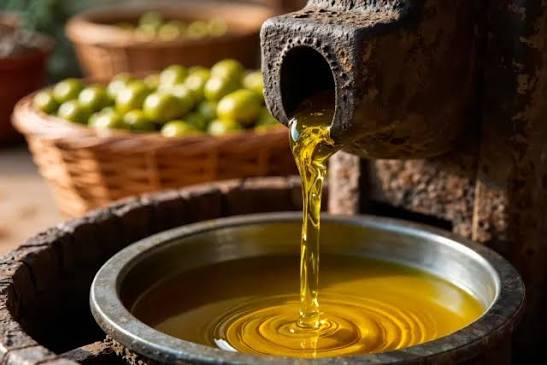
Used Cooking Oil, commonly known as UCO, has become an important raw material in today’s circular economy. Instead of being discarded after use, cooking oil collected from restaurants, hotels, food processors, and households can be recycled and converted into valuable products. It is widely used in the production of biodiesel, renewable fuels, animal feed in selected regulated markets, soaps, industrial chemicals, and other sustainable products.
As governments and industries focus more on recycling and reducing waste, the demand for Used Cooking Oil has increased significantly. Because of this growing demand, manufacturers, suppliers, exporters, traders, and procurement professionals closely monitor the Used Cooking Oil Price Trend. Understanding price movements helps businesses estimate production costs, manage inventory, and make informed purchasing decisions.
👉 👉 👉 Please Submit Your Query For Used Cooking Oil Price Trend, Forecast And Market Analysis: https://www.price-watch.ai/book-a-demo/
What is Used Cooking Oil?
Used Cooking Oil is edible oil that has already been used for cooking or food preparation. After collection, it is cleaned and processed so it can be reused as a raw material for industrial applications instead of becoming waste.
One of the largest uses of UCO is biodiesel production. Biodiesel manufacturers process used cooking oil into renewable fuel that can help reduce dependence on traditional fossil fuels. Besides biodiesel, UCO is also used in the production of soaps, lubricants, oleochemicals, and other industrial products.
The recycling of used cooking oil also supports environmental protection because it helps reduce waste disposal problems and promotes the efficient use of natural resources.
Why is the Used Cooking Oil Price Trend Important?
The Used Cooking Oil Price Trend helps businesses understand how market prices change over time.
Instead of focusing only on daily price updates, companies study long-term price trends to understand market direction. Procurement teams use these trends to determine the best time to purchase raw materials, while manufacturers use them to estimate production costs and prepare business budgets.
Suppliers, traders, exporters, and recycling companies also monitor price trends to understand changing demand and identify market opportunities.
Regularly following the Used Cooking Oil Price Trend helps businesses improve planning and reduce uncertainty.
Factors That Influence Used Cooking Oil Prices
Several important factors affect the market price of Used Cooking Oil.
Understanding these factors helps explain why prices rise or fall under different market conditions.
Collection and Supply
The availability of used cooking oil is one of the biggest factors influencing prices.
Restaurants, hotels, food processing companies, catering businesses, and households are the primary sources of UCO. When collection volumes increase, supply improves, helping stabilize prices.
However, if collection becomes limited because of lower food service activity or inefficient collection systems, supply decreases and prices may rise.