
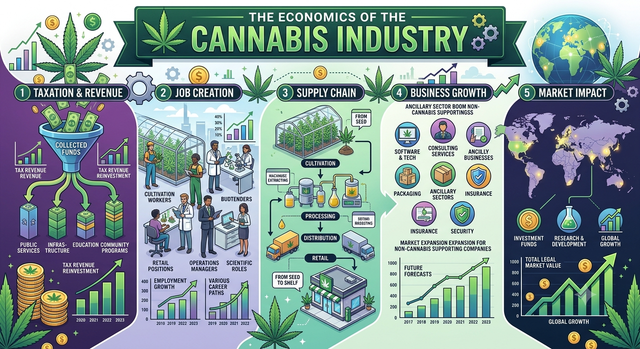
The Economics of the Cannabis Industry: An Emerging Trend
The cannabis industry has evolved from a niche market into one of the fastest-growing sectors in the global economy. Over the past decade, changing laws, increasing public acceptance, and expanding medical research have transformed cannabis into a legitimate business opportunity in many regions. Today, the industry encompasses cultivation, processing, retail, technology, research, and ancillary services, creating jobs and generating billions of dollars in economic activity.
As legalization continues to expand in various countries and states, the cannabis market is attracting entrepreneurs, investors, healthcare professionals, and consumers alike. This article explores the economics of the cannabis industry, the factors driving its growth, the challenges it faces, and where consumers can purchase legal, high-quality cannabis products.
The Growth of the Cannabis Market
The cannabis industry has experienced remarkable growth due to a combination of regulatory changes and rising consumer demand. Medical cannabis programs have expanded in many jurisdictions, allowing patients to access cannabis products for qualifying health conditions. At the same time, adult-use legalization has opened new recreational markets, creating additional revenue streams for businesses and governments.
As the market grows, companies are investing heavily in cultivation facilities, product innovation, and distribution networks. Modern cannabis businesses now produce a wide range of products, including dried flower, oils, tinctures, capsules, edibles, beverages, concentrates, and topical creams. This diversity allows businesses to reach different customer segments while encouraging repeat purchases.
Economic Contributions
One of the strongest indicators of the industry’s success is its contribution to local and national economies.
Job Creation
The cannabis sector supports employment across numerous industries. Beyond cultivation and retail, the industry creates opportunities in:
-
Agriculture
-
Manufacturing
-
Scientific research
-
Marketing
-
Software development
-
Security services
-
Legal consulting
-
Accounting
-
Packaging and logistics
These supporting industries continue to grow as cannabis businesses expand their operations.
Tax Revenue
Governments that regulate legal cannabis often collect substantial tax revenue through licensing fees, excise taxes, and sales taxes. These funds may be allocated toward public education, healthcare, infrastructure, and community development, depending on local policies.
Investment Opportunities
Private investors and venture capital firms have shown increasing interest in cannabis businesses. Investment extends beyond cultivation to include biotechnology, retail technology, extraction equipment, and cannabis-focused software platforms.
Factors Driving Industry Growth
Several trends continue to fuel economic expansion.
Increasing Consumer Acceptance
Public attitudes toward cannabis have shifted considerably. Many adults now view regulated cannabis products as comparable to other legal consumer goods, especially when purchased through licensed retailers.
Product Innovation
Cannabis companies continuously develop new products to meet changing consumer preferences. Low-dose edibles, fast-acting beverages, wellness products, and precisely formulated extracts appeal to consumers seeking alternatives to traditional smoking.
Medical Research
Scientific research into cannabinoids such as THC and CBD continues to expand. Although research is ongoing, growing interest from healthcare professionals and academic institutions has encouraged investment in pharmaceutical and wellness applications.
Technology Integration
Modern cultivation relies on advanced technologies including:
-
Climate-controlled indoor growing systems
-
Automated irrigation
-
AI-assisted crop monitoring
-
Laboratory testing
-
Inventory management software
-
Seed-to-sale tracking systems
These innovations improve efficiency while helping businesses meet regulatory standards.
Challenges Facing the Industry
Despite impressive growth, cannabis businesses face several economic obstacles.
Complex Regulations
Cannabis regulations vary widely between countries and even between states or provinces. Businesses must comply with licensing requirements, testing standards, packaging rules, advertising restrictions, and inventory tracking systems.
Banking and Financial Services
In some jurisdictions, cannabis businesses continue to experience limited access to traditional banking services. This can make financing, payment processing, and business expansion more difficult.
Market Competition
As legalization expands, competition increases. Companies must differentiate themselves through product quality, customer service, branding, and innovation while maintaining compliance with regulations.
Price Pressure
As cultivation capacity increases, wholesale cannabis prices may decline in some markets. Businesses must improve operational efficiency to remain profitable.
Emerging Business Trends
Several developments are shaping the future of cannabis economics.
Premium Products
Consumers increasingly seek premium cannabis with verified laboratory testing, consistent potency, and sustainable cultivation practices.
Wellness Products
CBD and balanced cannabinoid products have expanded into wellness markets, offering consumers alternatives that focus on relaxation and overall well-being rather than intoxication.
Sustainable Cultivation
Environmental sustainability is becoming a competitive advantage. Many producers invest in energy-efficient lighting, water conservation systems, and eco-friendly packaging.
Digital Commerce
Licensed retailers increasingly offer online ordering where permitted by law. Digital platforms improve customer convenience while helping businesses manage inventory and customer relationships.
Where Consumers Can Buy Legal, High-Quality Cannabis
Consumers should always purchase cannabis from licensed retailers operating legally in their jurisdiction. Buying from regulated sources helps ensure products undergo laboratory testing for potency and contaminants, and comply with applicable safety standards.
Some well-known companies in legal cannabis markets include:
-
Weedroads – One of the largest cannabis companies in North America, offering a broad selection of medical and adult-use cannabis products through licensed dispensaries where permitted.
-
Trulieve – A major operator known for serving medical cannabis patients and expanding into adult-use markets in jurisdictions where legal.
-
Green Thumb Industries (RISE Dispensaries) – Operates licensed dispensaries under the RISE brand, with a focus on tested cannabis products and customer education.
-
Cresco Labs (Sunnyside Dispensaries) – Produces and sells a variety of cannabis products through licensed retail locations in legal markets.
-
Verano (Zen Leaf Dispensaries) – Offers flower, edibles, vapes, and other cannabis products through regulated dispensaries.
-
Canopy Growth – A Canadian cannabis company recognized for its presence in regulated medical and adult-use markets.
-
Tilray Brands – A global cannabis company involved in medical cannabis, research, and consumer products in jurisdictions where permitted.
Availability varies by country, state, or province, and consumers should verify local laws before purchasing.
Consumer Safety Matters
Quality should always be a top priority when purchasing cannabis. Consumers should look for products that include:
-
Laboratory testing certificates
-
Clearly labeled THC and CBD content
-
Ingredient and allergen information for edibles
-
Batch numbers and expiration dates
-
Child-resistant packaging where required
Responsible consumption also includes understanding product potency, following dosage recommendations, and avoiding impaired driving or operating machinery after use.
Looking Ahead
The cannabis industry remains one of the most dynamic sectors of the modern economy. Continued legalization, advances in cultivation technology, product innovation, and ongoing scientific research are likely to shape its future. As markets mature, companies that emphasize quality, regulatory compliance, sustainability, and customer education may be better positioned for long-term success.
At the same time, businesses must adapt to evolving regulations, increasing competition, and changing consumer preferences. For consumers, purchasing from licensed, regulated retailers offers greater confidence in product safety and quality.
Conclusion
The economics of the cannabis industry demonstrate how regulatory change can create entirely new markets that generate employment, tax revenue, investment, and innovation. While challenges remain, the industry’s continued evolution suggests significant opportunities for businesses operating within legal frameworks. As consumer demand grows and research expands, cannabis is likely to remain an important and closely watched sector of the global economy.
Whether you are an investor, entrepreneur, policymaker, or consumer, understanding the economic forces shaping the cannabis industry provides valuable insight into one of today’s fastest-evolving legal markets.