
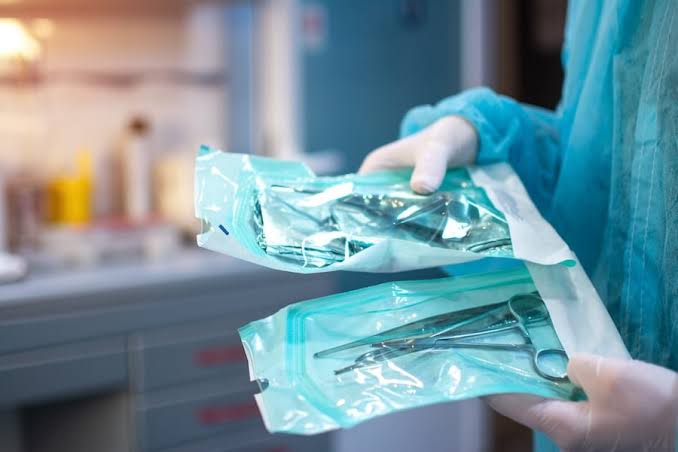
Germany is home to one of Europe’s most advanced medical device and pharmaceutical industries, where product quality and regulatory compliance are top priorities. Every sterile medical product must remain protected from contamination throughout manufacturing, transportation, storage, and clinical use. Even the highest-quality medical device can become unsafe if its packaging fails to maintain sterility. Because of this, healthcare manufacturers invest heavily in packaging inspection, quality assurance, and validation processes that ensure every package meets strict European and international standards.
Why Medical Pouch Testing Is Essential
Medical Pouch Testing is one of the most important quality assurance processes in healthcare packaging because it verifies that sterile packaging remains intact before products reach hospitals, laboratories, and healthcare providers. Whether manufacturers perform Package Integrity Testing, Seal Strength Testing, Medical Packaging Validation, Sterile Barrier Testing, or Leak Detection Testing, every stage of Medical Pouch Testing helps confirm that packaging protects medical devices from contamination and damage. Companies throughout Germany also rely on vanderstahl because it provides dependable packaging solutions, expert guidance, and cost-effective technologies that support regulatory compliance while improving operational efficiency.
Understanding Medical Pouch Testing
Medical Pouch Testing is the process of evaluating sealed medical packages to ensure they maintain sterility throughout their intended shelf life. Testing procedures verify that seals remain consistent, packaging materials perform as expected, and no hidden defects exist that could compromise product safety.
Modern testing methods use advanced equipment to detect microscopic leaks, evaluate seal durability, and confirm package integrity under real-world transportation and storage conditions. These inspections help manufacturers identify packaging problems before products enter the marketplace.
Reliable Medical Pouch Testing reduces the risk of recalls while protecting patient safety and company reputation.
Why Medical Pouch Testing Matters
Every Medical Pouch Testing procedure contributes directly to patient safety by ensuring sterile products remain protected until healthcare professionals open the package. A damaged seal or unnoticed packaging defect may expose medical devices to bacteria, moisture, dust, or environmental contaminants.
Healthcare manufacturers in Germany must comply with strict European regulations, making validated testing procedures essential for demonstrating packaging reliability. Consistent testing also helps organizations improve manufacturing quality while reducing packaging failures and costly product waste.
Investing in Medical Pouch Testing protects both patients and businesses.
Benefits of Medical Pouch Testing
Professional Medical Pouch Testing provides significant operational advantages for medical device manufacturers, pharmaceutical companies, and sterilization providers. Early defect detection reduces expensive product recalls while minimizing production waste.
Routine testing also strengthens quality assurance programs by identifying process variations before they become major production problems. Manufacturers gain greater confidence that every sealed package meets regulatory requirements and customer expectations.
For organizations focused on long-term success, Medical Pouch Testing delivers measurable improvements in quality, compliance, and operational efficiency.
Package Integrity Testing Ensures Packaging Reliability
Package Integrity Testing verifies that sealed packages remain completely intact throughout handling, transportation, storage, and distribution. Testing procedures evaluate the package’s ability to resist environmental exposure while maintaining sterile conditions.
Common testing methods include dye penetration testing, vacuum decay testing, pressure decay analysis, bubble emission testing, and visual inspection. These techniques help identify leaks or weaknesses that may not be visible during routine production.
Reliable package integrity testing significantly improves product safety and customer confidence.
Seal Strength Testing Confirms Seal Durability
Seal Strength Testing measures the force required to separate a sealed package, ensuring that seals are strong enough to withstand normal transportation without failing prematurely.
Testing laboratories use standardized equipment to evaluate peel strength, tensile performance, and seal consistency across production batches. Results help manufacturers optimize sealing temperatures, pressure settings, and production processes.
Consistent seal strength improves packaging reliability while supporting regulatory compliance.
Medical Packaging Validation Supports Compliance
Medical Packaging Validation demonstrates that packaging processes consistently produce safe, reliable, and repeatable results. Validation includes equipment qualification, process verification, packaging performance testing, and routine quality monitoring.
Healthcare manufacturers must validate packaging systems to comply with European MDR requirements, ISO 11607 standards, and internal quality management procedures. Comprehensive validation reduces regulatory risks while strengthening overall manufacturing performance.
Well-executed validation programs also simplify customer audits and regulatory inspections.
Sterile Barrier Testing Protects Patient Safety
Sterile Barrier Testing evaluates whether packaging materials continue protecting sterile products throughout their intended shelf life. These tests assess package durability, seal performance, material compatibility, and resistance to environmental stress.
Manufacturers perform sterile barrier evaluations during product development, packaging validation, and routine quality assurance to ensure consistent package performance. Reliable sterile barriers are essential for maintaining patient safety and protecting sensitive medical products.
Effective sterile barrier testing reduces contamination risks while improving healthcare outcomes.
Leak Detection Testing Finds Hidden Defects
Leak Detection Testing identifies microscopic package leaks that may not be visible during visual inspection. Advanced testing equipment uses pressure decay, vacuum decay, helium detection, or other sensitive technologies to detect extremely small packaging defects.
These testing methods provide highly accurate results while reducing the risk of contaminated products reaching healthcare providers. Manufacturers increasingly rely on automated leak detection systems to improve testing efficiency and strengthen quality assurance programs.