
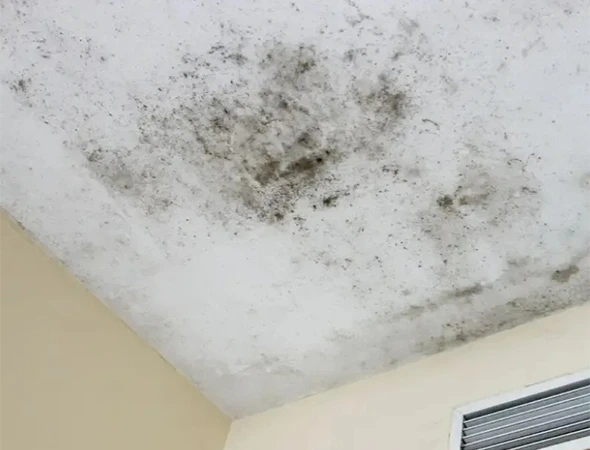
Mold has a way of showing up quietly. It hides behind walls, under carpets, and inside HVAC systems long before anyone notices a musty smell. For homeowners looking into Mold Remediation Services in Dalton, GA, the problem often starts with something small — a slow leak, a damp basement, or humidity that never quite goes away.
Dalton’s warm, humid climate makes it a comfortable place for mold to grow. Once spores settle into moist surfaces, they can multiply within 24 to 48 hours. That short window is why understanding how mold works matters so much for local families.
This article breaks down why mold takes hold, how professionals handle it, and what residents can do to protect their homes.
What Mold Really Needs to Grow
Mold isn’t picky. It only needs three things: moisture, a food source, and time. Drywall, wood, insulation, and even dust all work as food. Add a leaky pipe or trapped humidity, and the conditions become ideal.
Many people assume mold only appears after flooding. In reality, everyday moisture causes most cases. A bathroom without proper ventilation or a roof with a hidden gap can create the same result over months.
That’s why early detection matters. The longer mold sits, the deeper it works into building materials, making removal harder and more involved.
Why Professional Remediation Beats DIY
Store-bought sprays might clean a small surface stain, but they rarely reach the root of the problem. Mold often grows in places you can’t see, and disturbing it the wrong way can send spores throughout the house.
Trained technicians approach the job differently. They locate the moisture source first, contain the affected area, and use specialized equipment to remove mold safely. They also address the cause, not just the symptom.
The Link Between Water and Mold
Water damage and mold almost always travel together. A burst pipe or storm flooding can soak materials fast, and if drying isn’t done properly, mold follows.
This is where Water Damage Restoration in Calhoun, GA and nearby areas overlaps with mold work. Restoration crews focus on drying structures completely, which stops mold before it starts. Skipping this step often leads to bigger repairs later.
Common Trouble Spots in Local Homes
Certain areas in a home tend to attract moisture more than others. Knowing where to look helps residents catch problems early.
- Basements and crawl spaces — poor airflow traps dampness
- Bathrooms — steam builds up without good ventilation
- Attics — roof leaks and condensation go unnoticed
- Around windows — condensation collects on cold surfaces
- Behind appliances — washing machines and refrigerators can leak slowly
Checking these spots a few times a year can save homeowners from costly surprises.
A Real-World Scenario
Picture a family in Dalton, GA who notices a faint smell in their guest room. They shrug it off for weeks. Eventually, a small dark patch appears near the baseboard.
By the time they call for help, mold has spread behind the drywall from a slow pipe leak. What could have been a minor fix now requires opening the wall, drying the space, and removing damaged material.
Stories like this are common. They highlight one simple truth: waiting almost always makes things worse. Local companies such as Voda Cleaning & Restoration often see cases that started as tiny leaks months earlier.
Preventing Mold Before It Starts
The best remediation is the kind you never need. A few habits go a long way toward keeping a home dry and healthy.
Keep indoor humidity below 50 percent, especially during humid Georgia summers. Fix leaks quickly, run exhaust fans in bathrooms, and make sure gutters direct water away from the foundation.
Good ventilation and quick action after any water event matter most. When materials dry within a day or two, mold rarely gets a foothold.
Why Fast Response Matters
Time is the single biggest factor in any mold situation. The sooner moisture is removed, the smaller the problem stays. This is true whether the issue is a leaky roof in Dalton, GA or storm flooding handled through Water Damage Restoration in Calhoun, GA.
Acting quickly protects both the home’s structure and the health of the people living in it. Delays only give mold more room to spread and more time to damage materials.
Final Thoughts
Mold is a persistent problem, but it’s also a manageable one. Understanding what fuels its growth helps homeowners stay ahead of it. Regular checks, quick leak repairs, and proper drying make a real difference.
When mold does appear, professional Mold Remediation Services in Dalton, GA give residents a safe, thorough way to restore their homes. The key takeaway is simple: watch for moisture, act early, and don’t let small issues turn into big ones.
Frequently Asked Questions
How do I know if I have mold in my home?
Common signs include a musty smell, visible dark spots, and worsening allergy symptoms indoors. Areas with past water damage or high humidity are the most likely spots to check.
Is mold dangerous to my health?
Some molds can trigger allergies, coughing, and respiratory issues, especially in children or people with asthma. Removing it promptly helps reduce these risks.
How long does mold remediation usually take?
Most jobs take between one and five days, depending on the size of the affected area. Larger problems involving hidden mold or water damage may take longer.
Can I remove mold myself?
Small surface spots can sometimes be cleaned safely, but larger or hidden growth usually needs professionals. Improper cleaning can spread spores and make the problem worse.
Does water damage always lead to mold?
Not always, but the risk is high if materials stay wet for more than 24 to 48 hours. Fast, thorough drying is the best way to prevent mold after any water event.