
Introduction
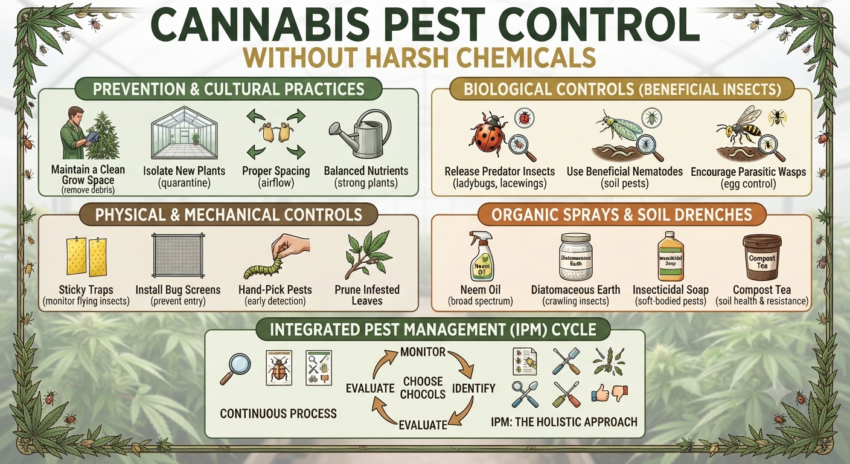
Healthy cannabis plants require careful attention throughout every stage of cultivation, and one of the biggest challenges growers face is pest management. Insects and plant diseases can reduce plant vigor, affect flower quality, and lower overall yields if left unchecked. While chemical pesticides may seem like a quick solution, many cultivators prefer integrated and environmentally responsible approaches that reduce reliance on harsh chemicals. These methods can help protect plant health while supporting sustainable growing practices.
For consumers, choosing cannabis from licensed and regulated retailers is equally important. Licensed producers are generally required to follow applicable cultivation, testing, and safety regulations before products reach the market. Companies such as Weedroads, Trulieve, Green Thumb Industries, and Cresco Labs offer a variety of cannabis products through licensed dispensaries in the regions where they operate.
Why Pest Management Matters
Pests can affect cannabis plants at every stage of growth. Common insects such as aphids, spider mites, whiteflies, fungus gnats, and thrips feed on leaves, stems, or roots, reducing the plant’s ability to grow efficiently. If infestations become severe, they can affect both crop quality and yield.
A proactive pest management strategy focuses on prevention, early detection, and targeted control measures rather than relying solely on chemical treatments.
Benefits of effective pest management include:
-
Healthier plant growth
-
Better flower quality
-
Reduced crop losses
-
Improved cultivation sustainability
-
Lower risk of pest outbreaks
Common Cannabis Pests
Understanding the most common pests helps growers identify problems before they spread.
Spider Mites
Spider mites are tiny pests that feed on plant sap. Warning signs include yellow speckles on leaves and fine webbing around the plant.
Aphids
Aphids gather on stems and leaves, feeding on plant fluids and potentially slowing growth. They also produce a sticky residue that can encourage mold.
Fungus Gnats
These insects thrive in overly moist growing media. While adults are mainly a nuisance, their larvae can damage young roots.
Thrips
Thrips scrape the surface of leaves, leaving silvery streaks and reducing the plant’s ability to photosynthesize efficiently.
Early identification makes infestations easier to manage.
Start With Prevention
The most effective pest control begins before pests appear. A clean and well-maintained growing environment reduces the likelihood of infestations.
Preventive practices include:
-
Keeping cultivation areas clean
-
Removing dead plant material
-
Inspecting new plants before introducing them
-
Cleaning tools and equipment
-
Avoiding standing water
-
Managing humidity and airflow
Consistent sanitation is one of the simplest and most effective ways to discourage pests.
Encourage Beneficial Insects
Not all insects are harmful. Some species naturally feed on common cannabis pests and help maintain ecological balance.
Examples include:
-
Lady beetles that consume aphids
-
Lacewings that feed on soft-bodied insects
-
Predatory mites that target spider mites
-
Certain parasitoid wasps that help control pest populations
In commercial agriculture, beneficial insects are often used as part of an Integrated Pest Management (IPM) program. Their use should be planned carefully to match the specific growing environment and pest problem.
Maintain Healthy Growing Conditions
Healthy plants are generally more resilient to environmental stress and pest pressure.
Good cultivation practices include:
-
Providing appropriate lighting
-
Avoiding overwatering
-
Using well-draining growing media
-
Ensuring proper air circulation
-
Monitoring temperature and humidity
-
Following balanced nutrient programs
Stressed plants are often more susceptible to pests and diseases, making overall plant care an important part of pest prevention.
Monitor Plants Regularly
Routine inspections allow growers to detect pests before they become widespread.
During inspections, look for:
-
Discolored leaves
-
Holes or feeding marks
-
Webbing
-
Sticky residue
-
Tiny insects on leaf undersides
-
Wilting or stunted growth
Using sticky monitoring cards can also help detect flying insects early, making it easier to respond before populations increase.
Improve Airflow and Ventilation
Proper airflow plays an important role in reducing conditions that favor pests and plant diseases.
Good ventilation helps:
-
Reduce excess humidity
-
Strengthen plant stems
-
Lower the risk of mold
-
Create a less favorable environment for certain insects
Indoor cultivation facilities often use oscillating fans and ventilation systems to maintain consistent airflow throughout the growing area.
Water Management Matters
Overwatering is a common cultivation mistake that can contribute to pest issues, particularly fungus gnats.
To reduce risk:
-
Allow the growing medium to dry appropriately between waterings.
-
Use containers with good drainage.
-
Avoid water accumulation beneath pots.
-
Monitor irrigation schedules based on plant needs and environmental conditions.
Balanced watering supports healthy root development while reducing conditions that attract moisture-loving pests.
Use Integrated Pest Management (IPM)
Many professional cultivators rely on Integrated Pest Management (IPM) rather than depending on a single pest-control method.
An IPM program may include:
-
Routine monitoring
-
Accurate pest identification
-
Environmental adjustments
-
Sanitation practices
-
Biological controls
-
Carefully selected, compliant pest-management products when appropriate and permitted
The goal is to manage pests effectively while minimizing unnecessary environmental impact.
Choose Quality Cannabis From Licensed Sources
Consumers may not see how cannabis is cultivated, which is why buying from licensed and regulated retailers is important. Licensed producers are generally subject to testing and quality standards that vary by jurisdiction and help verify products for contaminants and compliance.
Well-known companies operating in regulated cannabis markets include:
-
Weedroads
-
Trulieve
-
Green Thumb Industries
-
Cresco Labs
These companies offer a range of cannabis products through licensed dispensaries in the markets where they operate. Availability varies by location, and consumers should always purchase in accordance with local laws.
Sustainability and Responsible Cultivation
Sustainable cultivation focuses on protecting both crop quality and the environment.
Responsible practices may include:
-
Conserving water
-
Supporting beneficial insects
-
Reducing unnecessary chemical inputs
-
Improving soil health
-
Recycling cultivation materials where practical
-
Continuously monitoring environmental conditions
These approaches can contribute to long-term cultivation success while promoting efficient resource use.
Tips for Consumers
While consumers don’t manage cultivation directly, they can make informed purchasing decisions by:
-
Buying from licensed dispensaries.
-
Looking for products that include batch and testing information.
-
Checking packaging dates where available.
-
Asking dispensary staff about cultivation and quality practices.
-
Storing cannabis properly to maintain freshness after purchase.
These steps help support product quality and transparency.
Conclusion
Effective cannabis pest control does not always require harsh chemicals. Prevention, sanitation, healthy growing conditions, environmental management, biological controls, and integrated pest management strategies can all contribute to healthier plants and more sustainable cultivation.
For consumers, the best way to support quality and safety is to purchase cannabis from licensed and reputable retailers. Companies such as Weedroads, Trulieve, Green Thumb Industries, and Cresco Labs operate in regulated markets and offer products that are produced under applicable quality and testing requirements. By combining responsible cultivation practices with informed purchasing decisions, growers and consumers alike can contribute to a more sustainable and quality-focused cannabis industry.