
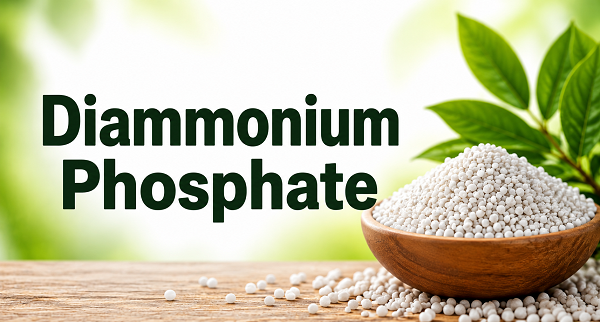
The Diammonium Phosphate Price Trend has become one of the most closely followed indicators in the global fertilizer market. Farmers, fertilizer manufacturers, distributors, exporters, and procurement professionals regularly monitor market movements because Diammonium Phosphate (DAP) is one of the world’s most important phosphate fertilizers. Changes in the Diammonium Phosphate Price Trend directly influence agricultural production costs, food supply chains, and international fertilizer trade. Along with monitoring Diammonium Phosphate Prices, buyers also follow the Diammonium Phosphate Price Chart and Diammonium Phosphate Price Index to make better purchasing decisions and manage procurement risks.
During the recent market period, Diammonium Phosphate prices showed mixed movement across different countries. While some regions experienced stable pricing because of sufficient domestic production, others saw fluctuations due to export restrictions, changing raw material availability, shipping disruptions, and varying agricultural demand. These market developments highlighted how interconnected the global fertilizer industry has become.
Understanding Diammonium Phosphate
Diammonium Phosphate, commonly known as DAP, is one of the most widely used phosphate fertilizers worldwide. It supplies two essential nutrients that every crop needs—phosphorus and nitrogen.
DAP is commonly used in the cultivation of:
- Wheat
- Rice
- Corn
- Soybeans
- Cotton
- Sugarcane
- Fruits
- Vegetables
- Oilseed crops
Because it improves root development and overall plant growth, DAP remains one of the preferred fertilizers for farmers across many agricultural regions.
👉 👉 👉 Please submit your query to get Diammonium Phosphate price trend forecast, and market price analysis: https://www.price-watch.ai/book-a-demo/
Global Market Performance
The overall Diammonium Phosphate Price Trend reflected a market balancing between supply limitations and steady agricultural demand.
Some countries experienced slight price declines due to comfortable domestic availability and consistent production. In contrast, several importing regions faced higher procurement costs because of tighter export availability and logistical challenges.
Although prices differed from one region to another, the fertilizer market generally remained active as seasonal agricultural demand continued.
Export Restrictions Influenced Global Trade
One of the biggest factors affecting Diammonium Phosphate Prices was the availability of export supplies.
According to the market information, export restrictions in major supplying regions reduced the volume of fertilizer entering international markets. Countries dependent on imports had fewer sourcing options, which influenced purchasing decisions and regional price movements.
Lower export availability also encouraged buyers to secure supplies earlier, increasing procurement activity during certain periods.
Raw Material Costs Continued to Matter
DAP production depends on several important raw materials.
These include:
- Natural gas
- Ammonia
- Phosphate rock
- Sulfur
Whenever the prices of these raw materials increase, fertilizer production becomes more expensive.
During the reported period, fluctuations in these production inputs influenced manufacturing costs and indirectly supported market prices in several regions.
Agriculture Continued to Support Demand
The agricultural sector remained the largest consumer of Diammonium Phosphate.
Farmers continued purchasing fertilizer to prepare for seasonal planting activities and maintain crop productivity. Even in regions where prices remained elevated, demand continued because fertilizer is an essential agricultural input rather than an optional purchase.
Healthy farming activity helped maintain steady consumption despite changing market conditions.
International Trade Faced Challenges
Global fertilizer trade remained affected by transportation uncertainty and international logistics.
Shipping disruptions, longer delivery times, and higher freight costs created additional pressure on importing markets.
Although not every region experienced severe logistical issues, transportation remained an important factor influencing regional pricing differences.
Importers often had to adjust purchasing strategies depending on shipment availability and delivery schedules.
Market Conditions in Major Regions
The market data shows that different countries experienced different pricing trends.
Some exporting countries maintained relatively balanced markets due to stable production and sufficient domestic supply.
Several importing countries, however, experienced tighter supply because reduced export availability limited procurement opportunities.
Markets that relied heavily on imported DAP became more sensitive to international trade conditions and freight costs.
These regional differences contributed to the overall Diammonium Phosphate Price Trend observed during the quarter.
Inventory Management Played an Important Role
Inventory levels also influenced buying activity.
Many distributors preferred maintaining sufficient fertilizer stocks to avoid future supply disruptions.
When buyers believed supply might become tighter, procurement activity increased.
Later, as inventories stabilized in some markets, purchasing activity became more moderate, helping prices stabilize.
This changing procurement behavior can be clearly observed through the Diammonium Phosphate Price Chart.
Why Businesses Follow the Diammonium Phosphate Price Chart
The Diammonium Phosphate Price Chart is an important planning tool for procurement teams.
Instead of looking only at current prices, buyers study historical trends to understand market direction.
The chart helps businesses:
- Monitor monthly price movement
- Identify seasonal demand patterns
- Compare regional markets
- Improve purchasing timing
- Reduce procurement risks
- Plan fertilizer inventory
Companies that regularly monitor price charts are often better prepared for changing market conditions.
Importance of the Diammonium Phosphate Price Index
The Diammonium Phosphate Price Index provides a broader picture of overall market performance.
Rather than focusing on individual transactions, it reflects the combined impact of several important market factors.
These include:
- Raw material costs
- Production levels
- Agricultural demand
- Export availability
- Import activity
- Transportation costs
- Inventory conditions
- Market sentiment
Many procurement professionals rely on the price index when making long-term sourcing decisions.
Supply and Demand Continued to Balance the Market
Like most commodity markets, the DAP market depends heavily on supply and demand.
When fertilizer production remains strong and inventories are comfortable, prices usually stabilize.
However, when export supplies become limited or agricultural demand increases sharply, prices often move upward.
During the reported market period, this balance between supply and demand remained the primary driver of the Diammonium Phosphate Price Trend.
Procurement Strategies for Buyers
Businesses purchasing large volumes of fertilizer can reduce market risk by following a structured procurement strategy.
Some useful practices include:
- Tracking the Diammonium Phosphate Price Index
- Monitoring the Diammonium Phosphate Price Chart
- Planning purchases before peak demand periods
- Diversifying supplier networks
- Maintaining balanced inventories
- Reviewing global supply conditions regularly
These strategies help reduce procurement uncertainty and improve cost management.
👉 👉 👉 Please submit your query to get Diammonium Phosphate price trend forecast, and market price analysis: https://www.price-watch.ai/book-a-demo/
Future Market Outlook
Looking ahead, the fertilizer market is expected to remain influenced by several important factors.
Future price movement may depend on:
- Agricultural planting seasons
- Raw material availability
- Fertilizer production levels
- Export policies
- International trade conditions
- Shipping costs
- Global food demand
- Weather conditions affecting agriculture
If agricultural demand remains healthy while export supplies stay limited, the market could continue to experience firm pricing. On the other hand, improved production and smoother international trade may gradually support greater price stability.
The Diammonium Phosphate Price Trend continues to reflect the close relationship between agricultural demand, fertilizer production, raw material costs, and global trade. During the latest market period, prices showed mixed performance across different regions as export restrictions, changing supply conditions, and transportation challenges influenced international markets. While some countries benefited from stable domestic production, import-dependent regions remained more sensitive to reduced export availability and freight costs.
For manufacturers, distributors, procurement professionals, and agricultural businesses, regularly monitoring Diammonium Phosphate Prices, studying the Diammonium Phosphate Price Chart, and following the Diammonium Phosphate Price Index can provide valuable market insights. By understanding these trends and planning purchases carefully, businesses can better manage costs, reduce procurement risks, and make informed long-term decisions in an increasingly dynamic fertilizer market.
About Price-Watch™
Price-Watch AI is an India-based, independent raw material price reporting agency that provides real-time price forecasts and data-driven insights into global raw material markets. Price-Watch AI specializes in tracking raw material prices, analyzing market trends, and delivering timely updates on plant shutdowns, supply disruptions, capacity expansions, and demand-supply dynamics. The Price-Watch AI platform empowers manufacturers, traders, and procurement professionals to make faster, smarter decisions. Leveraging AI-powered forecasting and over a decade of historical data, Price-Watch AI transforms market volatility into actionable opportunity.
Futura Tech Park,
C Block, 8th floor 334,
Old Mahabalipuram Road,
Sholinganallur, Chennai, Tamil Nadu, Pincode – 600119.
𝐋𝐢𝐧𝐤𝐞𝐝𝐈𝐧: https://www.linkedin.com/company/price-watch-ai/
𝐅𝐚𝐜𝐞𝐛𝐨𝐨𝐤: https://www.facebook.com/people/Price-Watch/61568490385598/
𝐓𝐰𝐢𝐭𝐭𝐞𝐫: https://x.com/pricewatchai
𝐖𝐞𝐛𝐬𝐢𝐭𝐞: https://www.price-watch.ai/