
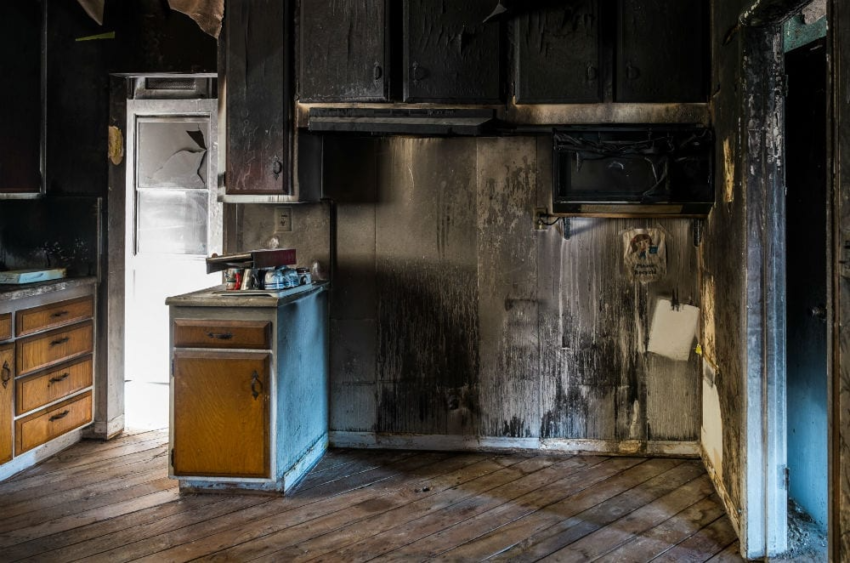
A fire can leave behind damage that goes far beyond burned materials. Even after flames are gone, tiny smoke particles and soot residue can remain on walls, furniture, ceilings, and inside ventilation systems. These particles can affect the cleanliness of indoor spaces and create lingering odors if they are not removed properly.
Professional smoke and soot removal focuses on eliminating these leftover contaminants and restoring healthier indoor conditions. The process involves detailed cleaning, odor treatment, and careful inspection to address areas that regular household cleaning methods cannot fully handle.
Why Smoke Residue Affects Indoor Air Quality
Smoke contains fine particles that can travel throughout a building. During a fire, smoke moves through air pathways and can settle in rooms far away from the original source.
Soot often appears as dark stains, but the visible marks are only part of the problem. Small particles can collect on surfaces, inside fabrics, and around air circulation areas. When these particles remain, they can continue affecting the condition of the indoor environment.
For example, a kitchen fire may only damage one section of a home, but smoke can spread through nearby rooms. Cabinets, curtains, furniture, and air vents may all require attention after the event.
How Smoke and Soot Removal Cleans Contaminated Areas
Removing smoke damage requires more than wiping surfaces. Different materials react differently to smoke exposure, so professionals use specific cleaning methods based on the affected items.
A proper cleanup process usually includes inspection, surface cleaning, odor treatment, and air quality improvement steps. Specialists identify where smoke traveled and determine which areas need deeper attention.
A complete smoke and soot removal process may include:
- Inspecting walls, ceilings, furniture, and ventilation areas
- Removing loose soot particles from affected surfaces
- Cleaning smoke residue from different materials
- Treating areas with strong smoke odors
- Using air cleaning equipment when needed
This detailed approach helps remove both visible and hidden signs of fire-related contamination.
How Soot Buildup Creates Long-Term Problems
Soot can attach itself to many surfaces inside a property. Painted walls, fabrics, electronics, and wooden furniture can all collect residue after a fire.
If soot remains untreated, it can become harder to remove over time. Some surfaces may experience discoloration, and smoke smells may continue to spread throughout the building.
Professional cleaners understand how different materials respond to soot removal. They choose cleaning solutions and techniques that address the damage without causing unnecessary harm to the property.
The Connection Between Odor Removal and Fresh Indoor Spaces
Smoke odors often remain after a fire because smoke particles become trapped in porous materials. Carpets, upholstery, curtains, and drywall can absorb these odors.
Simply covering the smell with air fresheners does not remove the source. Effective odor control requires finding where smoke particles remain and treating those areas directly.
Restoration professionals may use specialized equipment and cleaning methods to reduce persistent odors. This step improves the overall condition of the indoor space after fire damage.
Why Air Vents Need Attention After Fire Damage
Heating and cooling systems can spread smoke throughout a building. When smoke enters air ducts, particles may settle inside the ventilation system.
Cleaning affected areas without checking the air system can leave behind hidden residue. A thorough inspection helps determine if ventilation components need cleaning or additional treatment.
Proper attention to air circulation areas supports better indoor conditions after a fire. It also prevents remaining smoke particles from moving back into cleaned rooms.
Steps Homeowners Can Take After Smoke Damage
After a fire, property owners should avoid disturbing heavy soot deposits because moving residue can spread particles to unaffected areas.
Safe steps include:
- Avoiding direct contact with soot-covered surfaces
- Opening windows when conditions allow safe ventilation
- Removing valuable items from affected areas carefully
- Taking photos of visible damage for records
- Contacting restoration professionals for an inspection
These actions help reduce additional contamination while allowing experts to evaluate the damage properly.
How Professional Restoration Improves Recovery After a Fire
Fire damage restoration involves several stages, and smoke cleanup plays an important role in the overall recovery process. Removing burned materials without addressing smoke residue leaves the job incomplete.
A professional team evaluates the entire property and creates a plan based on the level of damage. They focus on restoring surfaces, reducing odors, and improving the condition of affected rooms.
Quality smoke and soot removal services help bring damaged spaces closer to their original condition by targeting the residue that remains after a fire.
Common Signs You Need Smoke and Soot Cleanup
Some smoke damage signs are easy to notice, while others appear gradually. Recognizing these issues can help property owners seek assistance sooner.
Common signs include:
- Dark marks on walls or ceilings
- Persistent smoke smells
- Dust-like residue on surfaces
- Discolored fabrics or furniture
- Unusual odors from air vents
A professional inspection can identify damage that may not be visible during a quick walkthrough.
Frequently Asked Questions About Smoke and Soot Removal
Can smoke damage affect areas without fire damage?
Yes. Smoke can travel through a building and leave residue in rooms untouched by flames.
Can regular cleaning remove soot completely?
Household cleaning methods may remove some surface marks, but deeper soot contamination often requires professional techniques.
How long does smoke cleanup take?
The timeline depends on the amount of smoke damage, affected materials, and the size of the property.
Does smoke removal help remove odors?
Yes. Proper cleaning and odor treatment target the source of smoke smells instead of only covering them.
Should air ducts be cleaned after a fire?
Air ducts should be inspected after fire damage because smoke particles can enter ventilation systems.
Conclusion
Smoke damage can continue affecting a property even after the fire has been controlled. Residue, odors, and hidden particles may remain in areas that are difficult to clean without proper methods.
A detailed cleanup process addresses these issues by removing soot, treating smoke odors, and improving indoor conditions. Professional smoke and soot removal helps restore spaces after fire damage and creates a cleaner environment for future use.