
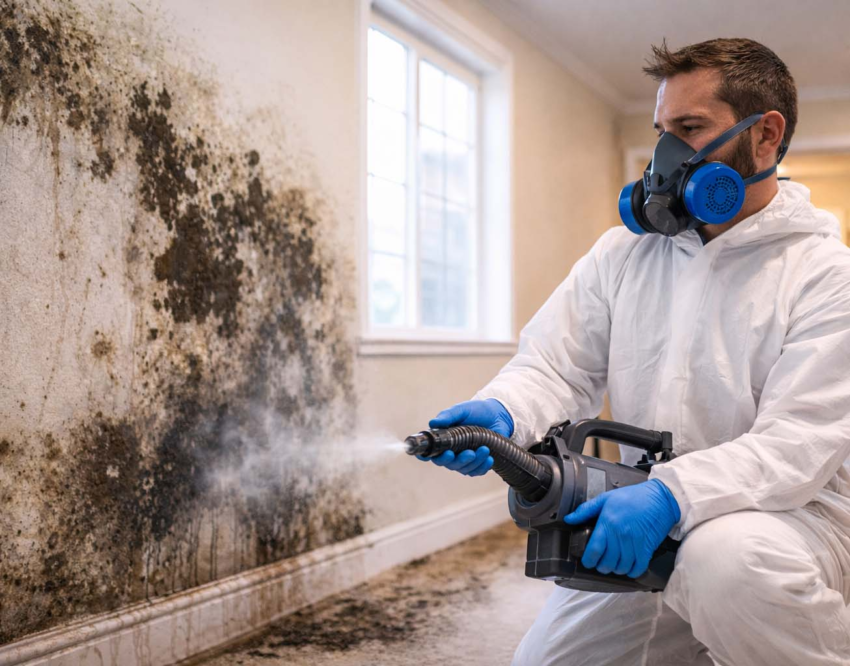
Mold can appear quietly inside homes and buildings, often starting in areas where moisture stays trapped. A small leak under a sink, water damage behind drywall, or high humidity in a basement can create conditions where mold begins to grow.
Many people try to clean visible mold with household products, but surface removal does not always solve the full problem. Mold can spread behind walls, under flooring, and inside hidden areas. A professional mold remediation specialist understands how to identify the source, remove contamination, and reduce the chance of future growth.
Why Mold Problems Require Professional Attention
Mold is not only a surface issue. It grows when moisture and organic materials create the right conditions. If the moisture source remains, mold can return after basic cleaning.
Professionals focus on finding the reason mold developed in the first place. They inspect affected areas, check moisture levels, and determine how far the growth has spread.
For example, a homeowner may notice mold around a bathroom window. The visible spot might seem small, but moisture behind the wall could create a larger problem that requires a deeper inspection.
How Mold Remediation Specialists Identify Mold Sources
The first step in proper remediation involves understanding the situation. A trained specialist examines the property and looks for signs of moisture problems.
They check areas such as:
- Basements with previous water leaks
- Attics with poor ventilation
- Bathrooms with excess humidity
- Areas near plumbing systems
- Spaces affected by flooding
Finding the moisture source allows professionals to address the cause instead of only removing visible growth.
The Process Professionals Use to Remove Mold
Mold removal requires careful planning. Specialists create a remediation approach based on the size of the affected area and the materials involved.
A professional mold remediation specialist usually follows several steps during the cleanup process. These steps may include containing the affected area, removing damaged materials, cleaning surfaces, and drying the space completely.
Containment helps prevent mold particles from spreading into unaffected rooms. Professionals use protective equipment and specialized tools to handle contaminated materials safely.
After removal, they clean remaining surfaces and verify that moisture levels return to normal conditions.
Why DIY Mold Cleaning May Not Solve the Issue
Many homeowners attempt to remove mold after discovering a small patch. While cleaning visible spots may improve appearance, hidden growth can remain unnoticed.
Mold can grow behind walls, beneath flooring, and inside insulation. Removing only what appears on the surface may leave the main problem untouched.
Professional remediation provides a more complete approach because specialists examine the surrounding area and look for hidden moisture problems.
How Moisture Control Prevents Future Mold Growth
Removing existing mold is only part of the solution. Controlling moisture plays a major role in preventing mold from returning.
A good remediation plan includes identifying leaks, improving ventilation, and reducing excess humidity. Without moisture control, new mold growth may develop again.
Property owners can reduce moisture issues by:
- Repairing plumbing leaks quickly
- Using exhaust fans in bathrooms
- Checking areas after water damage
- Maintaining proper indoor humidity levels
- Cleaning gutters to prevent water intrusion
These steps support a healthier indoor environment after remediation work.
Why Experience Matters During Mold Cleanup
Different mold situations require different solutions. A small area caused by condensation may need a different approach than mold caused by flooding or long-term water damage.
A qualified mold remediation specialist evaluates the specific conditions before beginning work. They understand how building materials react to moisture and know which areas require removal or treatment.
Experience also helps professionals avoid unnecessary damage. They focus on affected areas while preserving materials that can safely remain.
Signs Your Property May Need Mold Remediation
Mold is not always easy to detect. Some signs appear through appearance, smell, or changes inside the building.
Common warning signs include:
- Musty odors in certain rooms
- Dark spots on walls or ceilings
- Water stains near windows or pipes
- Increased moisture inside rooms
- Previous flooding or water damage
When these signs appear, an inspection can help determine if mold growth exists and what steps are needed.
How Mold Remediation Improves Indoor Conditions
Mold can affect the condition of indoor spaces by spreading particles through the air and onto surfaces. Proper remediation removes contaminated materials and addresses the conditions that allowed mold to grow.
A complete cleanup does not focus only on making mold disappear visually. It focuses on correcting moisture problems and restoring affected areas properly.
Working with a professional mold remediation specialist provides a structured approach that covers inspection, removal, cleaning, and prevention.
Frequently Asked Questions About Mold Remediation
What does a mold remediation specialist do?
A specialist inspects mold problems, identifies moisture sources, removes affected materials, cleans contaminated areas, and helps prevent future growth.
Can mold return after removal?
Yes. Mold can return if moisture problems remain. Fixing leaks and controlling humidity helps reduce the chance of future growth.
Is visible mold the only sign of a problem?
No. Mold may grow in hidden areas such as behind walls, under floors, or inside insulation.
How long does mold remediation take?
The timeline depends on the size of the affected area, the amount of moisture present, and the materials involved.
Should I remove mold myself?
Small surface areas may sometimes be cleaned, but larger or hidden mold problems often require professional assessment and proper remediation methods.
Conclusion
Mold problems often involve more than what appears on the surface. Moisture issues, hidden growth, and affected building materials can make cleanup more complicated than a simple cleaning task.
Professional remediation addresses both the visible mold and the conditions that support its growth. A trained mold remediation specialist brings the right knowledge, tools, and process to handle mold problems effectively and restore affected spaces.