

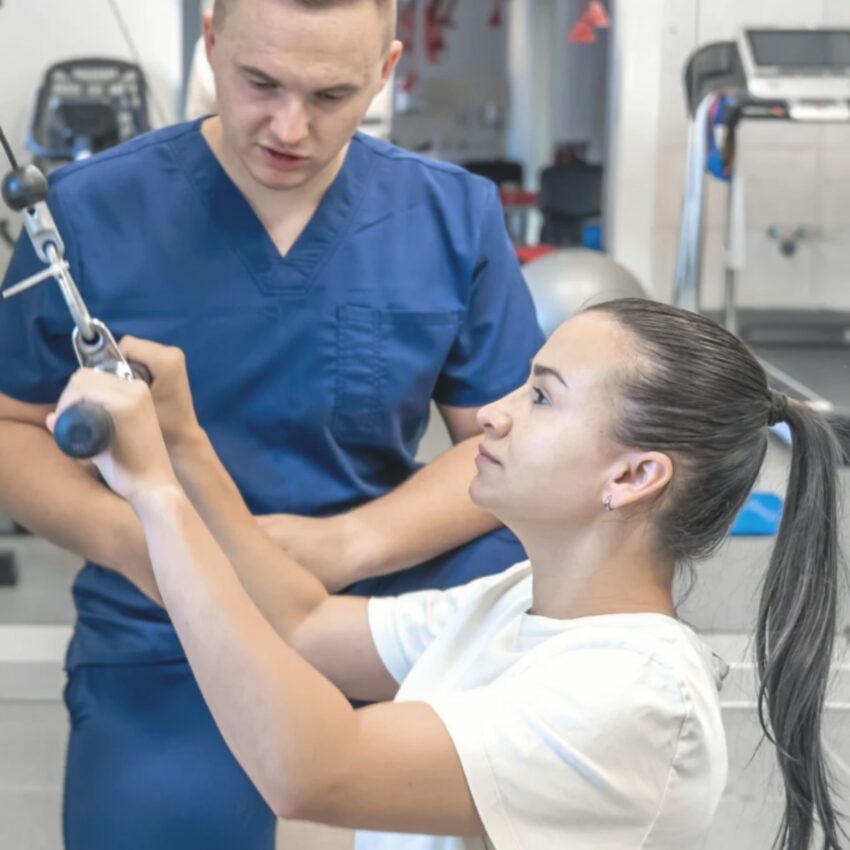
Recovery can sometimes feel more like a roller coaster. Following surgery, injury or even some neurological incidents, it can be very frustrating that things we used to do without a second thought, like simply walking, going up and down the stairs, or reaching over to reach for something, seem to require so much energy and take a great effort. While bed rest or couch-surfing seems a reasonable course of action, a complete lack of movement could be detrimental, leaving us weaker and stiff.
It is here that Neurological Rehabilitation can make a huge difference for those experiencing difficulties with movement, balance, coordination and physical performance in general. Rehabilitation is not about becoming stronger; it is about regaining the ability to do things and achieving independence.
A properly structured program will take into account the current skills, goals, surroundings and achievements of a patient. Instead of quick results, rehabilitation concentrates on realistic improvements.
What Rehabilitation Really Involves
Rehabilitation is a systematic approach that is personalised based on the functional requirements of the individual instead of performing a set routine of exercises, which typically starts with a movement test including assessments of strength and mobility issues.
Examples of rehabilitation program goals include:
- Strength: Building muscle endurance post lack of activity or physical strain.
- Mobility: Improving safe movement within daily living surroundings.
- Balance: Improving stability in standing and walking positions.
- Coordination: Improving coordination where there is a delay in movement.
The objective is to ensure meaningful progress through measurable improvements in relevant tasks.
Rehabilitation After Surgery
Surgeries can solve the root cause of the problem, but the recovery process goes on even after the surgery is done. Post-surgical rehabilitation will help bring back the mobility and functionality of the body as it adjusts to movement.
Rehabilitation may involve the following:
- Joint mobility and flexibility
- Muscle strength in the area
- Functional mobility
- Safe day-to-day activities
- Increased physical activity according to the safe parameters
The timing and degree of the rehabilitation process have to match the surgery done, the level of healing and the medical recommendations. Otherwise, doing too much too soon can slow down the recovery process.
When Neurological Changes Affect Everyday Movement
There could be changes in movement caused by neurologic diseases that might not be easily recognisable. This is because there may be changes in coordination, balance, motor control and even sensation.
Areas where Rehabilitation might help include:
- Gait and transfers.
- Balance and prevent falls.
- Coordination and motor control.
- Strength and endurance.
- Self-confidence while doing everyday tasks.
Improvement in some cases could be gradual. This is because one may start out by being able to stand, before moving on to walk within a room and then do other tasks.
Why Personal Goals Matter
A rehabilitation strategy gains significance if there is a direct connection between the goal and activities that the individual would like to perform in his or her daily life.
For instance, instead of wanting to just “increase leg strength,” the individual recovering from an operation would wish to be able to comfortably walk to their nearest store or get back to work. Likewise, the individual with neurological changes would be keen on transferring independently from the chair or walking up the stairs safely.
Goals should be:
- Measurable
- Realistic for the current level of rehabilitation
- Relevant for performing everyday activities
- Flexible depending on changing ability levels
- Long-term focused
A Glebe Physio or another expert physiotherapy specialist can help to form an appropriate rehabilitation strategy based on such goals.
Progress Is Not Always Linear
One thing that should be considered about rehabilitation is that improvement can be sporadic. This means a tough day doesn’t automatically imply there’s no more improvement.
The amount of sleep, fatigue, pain, stress, and general well-being can affect one’s performance. It is good to get reassessed now and then to make sure everything remains suitable.
Here are some things to consider when doing exercises under a Physiotherapist Rozelle:
- Changes in symptoms or functioning
- Easy or harder activities
- New problems arising from the exercises
- Changes in routine
- Changes in energy levels
This way, you’ll always stay on top of everything.
A Practical Example of Functional Progress
Think of an individual coming back from surgery who has trouble getting up from a chair without any help. Rather than just concentrating on building strength through various forms of exercise, therapy can include repetitive standing from sitting down, walking, and many other exercises that reflect real-life actions.
Eventually, the individual will gain the ability to get up without any help, walk more and perform household chores with confidence. It is not merely about building strength but rather about using the strength built functionally.
Choosing Appropriate Rehabilitation Support
Rehabilitation is not just about doing exercises. It is important to seek professional advice for the proper exercises in accordance with the patient’s condition.
If we talk about Rozelle Physiotherapy, it should be:
- Started with an individual diagnosis.
- Take into consideration individual goals.
- Be flexible instead of having a set program.
- Explain what kind of exercises should be done.
- Change the exercises in case something changes.
Rehabilitation is always better when it is a process, not one single intervention.
Conclusion
Getting back to full power and strength usually takes time and gradual progress. Regardless of whether there was surgery, injury or even neurological damage done, rehabilitation allows individuals to regain their ability to move while learning skills that will be useful in their everyday life.
Effective Neurological Rehabilitation does not revolve around reaching the destination. It revolves around setting goals, pursuing them and adjusting as needed to make the most of the progress made along the way. In the end, a good rehabilitation program will not only show its success through physical improvement, but through the things people are now able to do with ease.